

You step into your living room after a long day, kick off your shoes, and instantly feel the walls closing in around you.
Your floor plan is littered with bulky low dressers, crowded bookshelves, and heavy cabinets that swallow every square inch of open walking space, while massive stretches of empty white wall sit completely barren right above your head. You take a deep breath, look at your cramped floors, and ask yourself: My floor space is completely maxed out—where on earth am I supposed to put anything else without making this house feel like a storage locker?
Here is the architectural reality of compact interior design: learning how to use vertical space in a small home isn't about cramming more furniture onto your floors—it is about lifting storage upward onto empty walls, anchoring soaring floor-to-ceiling cabinetry, and keeping continuous floorboards exposed so your rooms instantly breathe.
A small residence feels claustrophobic when furniture stays low and wide, when upper walls are ignored, and when everyday items pile up across tables and counters. By installing floating wall shelves, specifying tall vertical cabinets, mounting high-level overhead ledges above doors, and organizing narrow corners with slim vertical organizers, you transform a cramped footprint into an airy, highly efficient sanctuary.
Whether you are organizing a tight studio apartment or maximizing a cozy multi-room bungalow, here is how to plan, layer, and execute your vertical storage layout step by step.
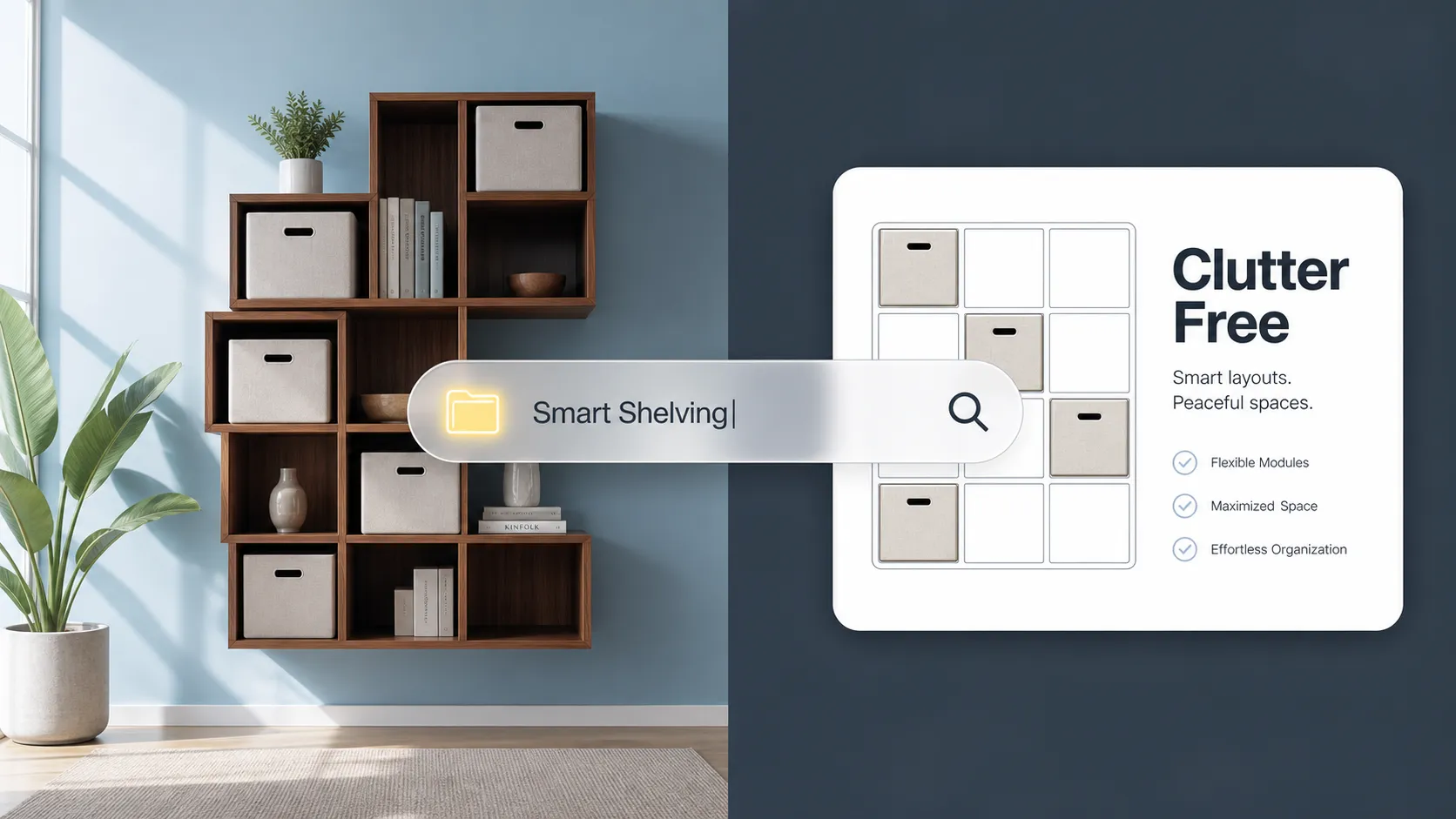
1. Use Vertical Space in a Small Home to Free Up Floor Area
Before buying plastic storage bins or ordering heavy wide dressers that choke your pathways, pause and look upward at the hundreds of square feet of untouched wall real estate sitting right above eye level.
Most compact residences feel crowded not because they lack total volume, but because homeowners rely on floor-standing furniture that steals open walking area while leaving upper walls bare.
To master use vertical space in a small home and implement high-impact vertical space ideas, anchor your layout around three foundational rules:
- Lift Storage Off the Floor: Shift everyday storage capacity upward onto walls and tall furniture frames so continuous floorboards remain visible underneath.
- Protect 36-Inch Circulation Paths: Keep primary walking aisles completely free of protruding cabinet bases so rooms feel expansive and breathable.
- Exploit Every Foot of Wall Height: Design storage units that reach within inches of your ceiling molding, turning blank vertical surfaces into high-capacity organization hubs.
Explore our architectural strategies for small house storage ideas to learn how vertical wall cabinetry and hidden under-bed vaults clear clutter across compact rooms.
2. Install Wall Shelves to Store More Without Adding Furniture
When your floor footprint is completely full, adding another bulky wooden cabinet or heavy bookcase will only choke your walking paths and make your rooms feel smaller.
Applying targeted wall shelves for small spaces and installing versatile vertical wall storage ideas captures high-capacity storage without stealing an inch of floor area.
Follow this 3-step diagnostic to mount shelving effectively:
- Anchor Directly Into Structural Studs: Locate wall framing studs using an electronic finder to ensure your shelves support heavy loads safely without pulling out of drywall.
- Vary Shelf Heights Dynamically: Install lower shelves at comfortable reaching height for everyday items, while placing upper ledges higher up for books and display pieces.
- Keep Depths Proportional to Room Size: Use 8-to-10-inch deep shelves in tight hallways and bedrooms to avoid bumping shoulders when walking past.
3. Choose Tall Cabinets and Bookcases That Use More Wall Height
Standard short bookcases and wide low credenzas eat up valuable floor space while wasting the upper two-thirds of your vertical wall height.
Replacing low units with tall storage cabinets for small spaces and investing in floor-to-ceiling storage multiplies your holding capacity instantly.
• Wide base eats 24 inches of floor space
• Offers minimal storage capacity
• Narrow footprint preserves walking aisles
• Multiplies shelving tiers by 300%
Tall furniture selection rules:
- Specify Narrow, Soaring Proportions: Choose bookcases and storage cabinets that stretch upward toward the ceiling rather than spreading wide across the room.
- Anchor Tall Units to Wall Studs: Always secure towering cabinets and bookcases directly into structural wall framing using anti-tip hardware to ensure absolute household safety.
- Combine Closed Doors With Open Uppers: Select hybrid cabinets featuring closed cabinet doors on the bottom to hide messy items, paired with open upper shelves for books and baskets.
4. Use Floor-to-Ceiling Storage to Make Empty Walls Work Harder
Treating an entire wall as a unified, custom vertical storage system turns scattered clutter into a seamless architectural feature that unifies your room.
Executing comprehensive floor-to-ceiling storage ideas and engineering a cohesive full wall storage layout maximizes every cubic inch of available height.
Full-wall storage guidelines:
- Unify Wall Materials and Finishes: Paint your entire wall-storage system in the exact same color as your surrounding walls so towering cabinetry blends smoothly into the architecture.
- Incorporate a Integrated Ladder or Step Stool: If building storage all the way to 9-foot or 10-foot ceilings, include a sleek rolling ladder or matching step stool to keep upper shelves accessible.
- Balance Open and Closed Compartments: Mix 50% closed cabinetry with 50% open shelving to prevent floor-to-ceiling walls from looking heavy or visually overwhelming.
Stop guessing how your walls will handle new storage units. Share your room dimensions and storage goals with DesignHome Synthesis, and explore wonderful Use Vertical Space in a Small Home design configurations in interactive 3D—allowing you to test floor-to-ceiling cabinetry, experiment with floating shelf alignments, verify walking clearances, and bring your ideal vertical layout effortlessly to life.
Design Your Vertical Storage Layout Today with DesignHome →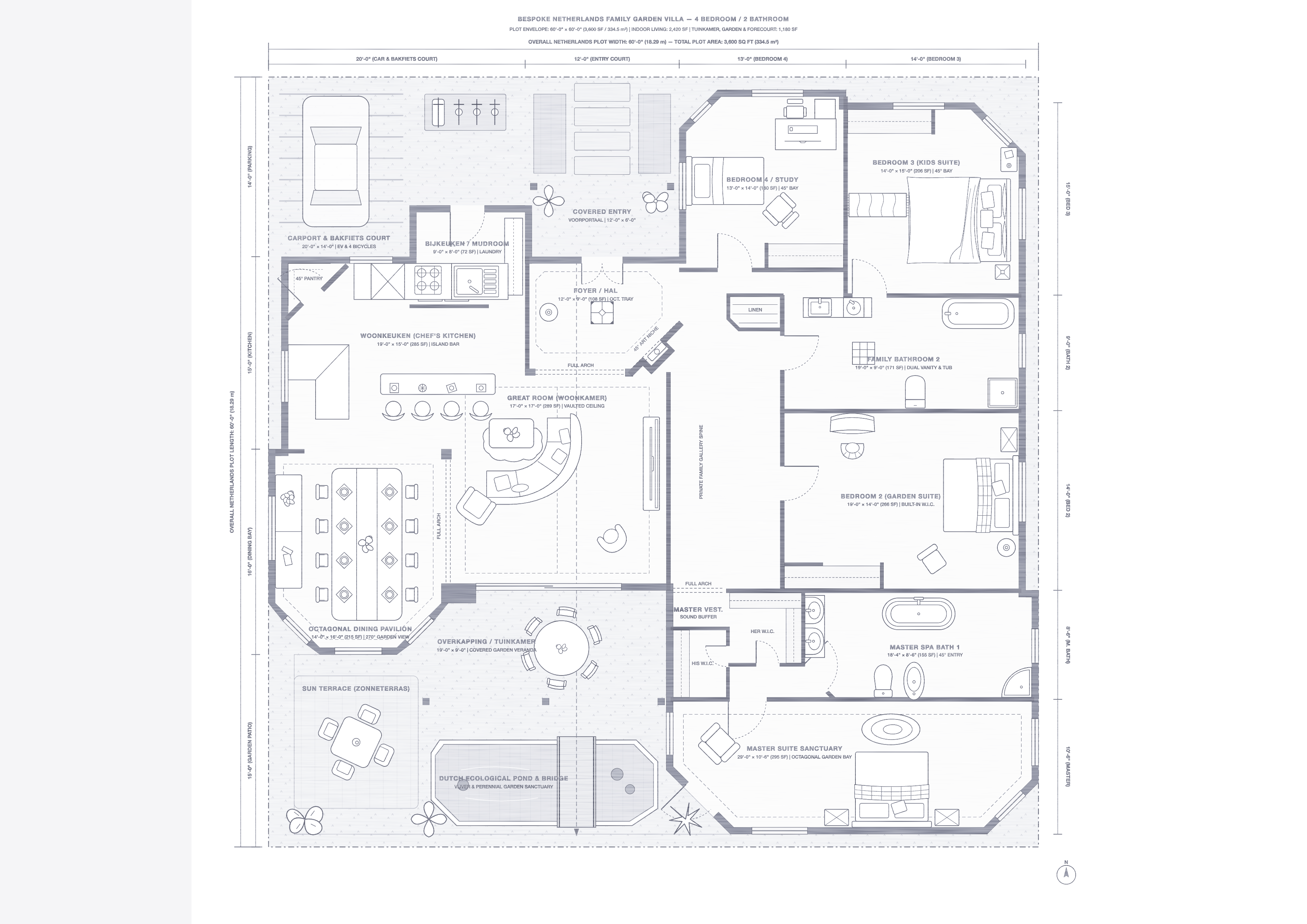
5. Add Overhead Storage Above Doors, Windows, and Hallways
The 12 to 24 inches of empty wall space sitting directly above interior doorways, bedroom windows, and hallway passages represents one of the most neglected storage goldmines in any home.
Deploying smart above door storage ideas and practical overhead storage for small homes turns dead architectural air space into high-utility organization zones.
Overhead storage tactics:
- Mount Sturdy Brackets Into Header Studs: Secure overhead shelves into the robust wooden header framing directly above door and window openings to ensure maximum weight support.
- Use Uniform Lidded Storage Boxes: Place matching canvas or woven baskets across high shelves so items stay dust-free and maintain a clean, organized visual appearance from below.
- Keep Daily Items at Ground Level: Reserve high overhead ledges exclusively for infrequent items like holiday decorations, extra guest bedding, and suitcases.
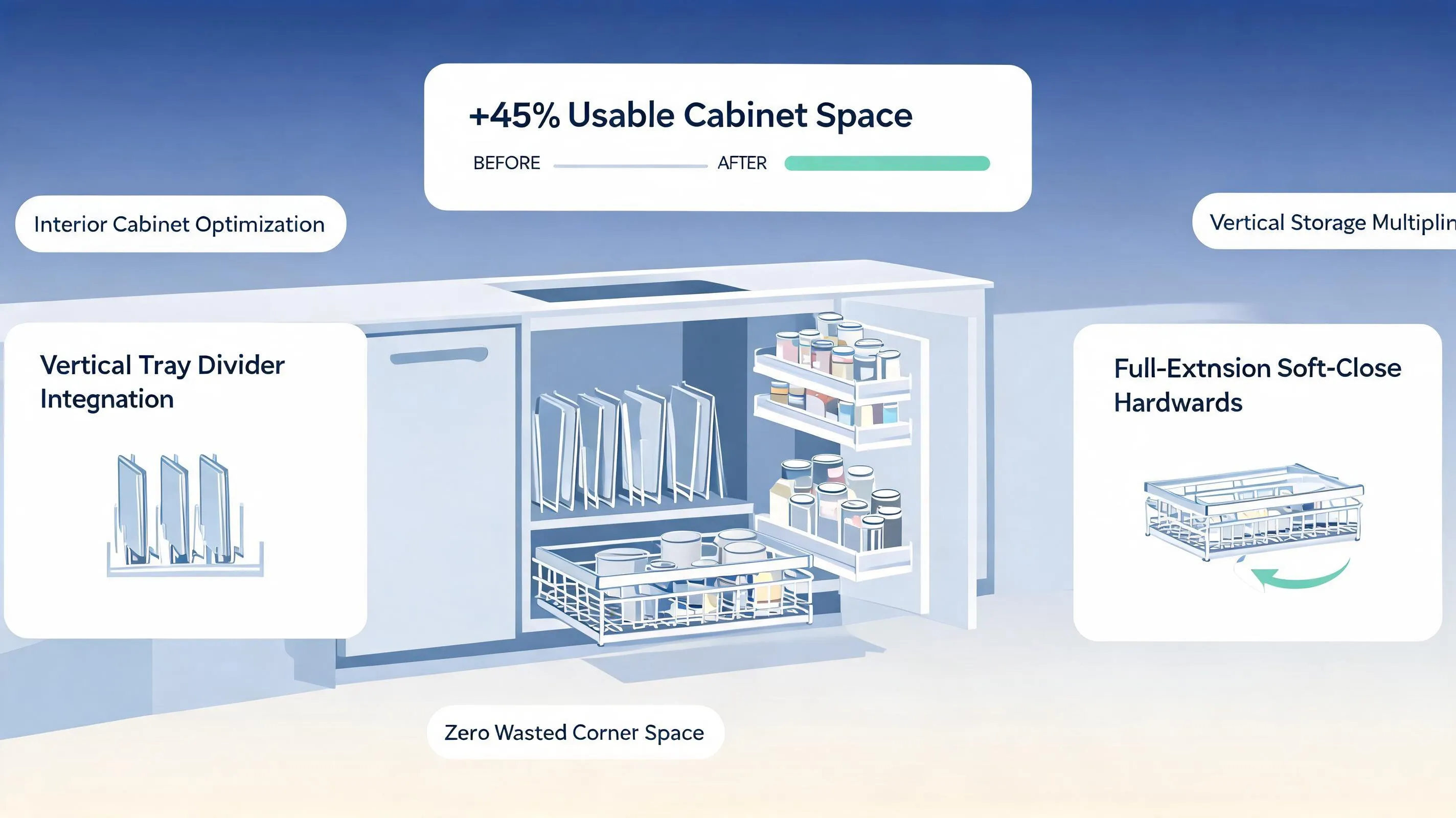
6. Use Vertical Storage in a Small Kitchen to Free Up Counter Space
When small appliances, spice racks, and utensil crocks bury your kitchen countertops, preparing a simple weeknight dinner turns into an exercise in frustration.
Implementing vertical kitchen storage ideas and optimizing small kitchen wall storage clears your working surfaces completely while keeping culinary tools within immediate reach.
• Spice jars take up valuable drawer space
• Zero room left to chop vegetables
• Slim upper cabinets reaching true ceiling height
• Hanging pot racks free up lower base cabinets
Kitchen vertical optimization rules:
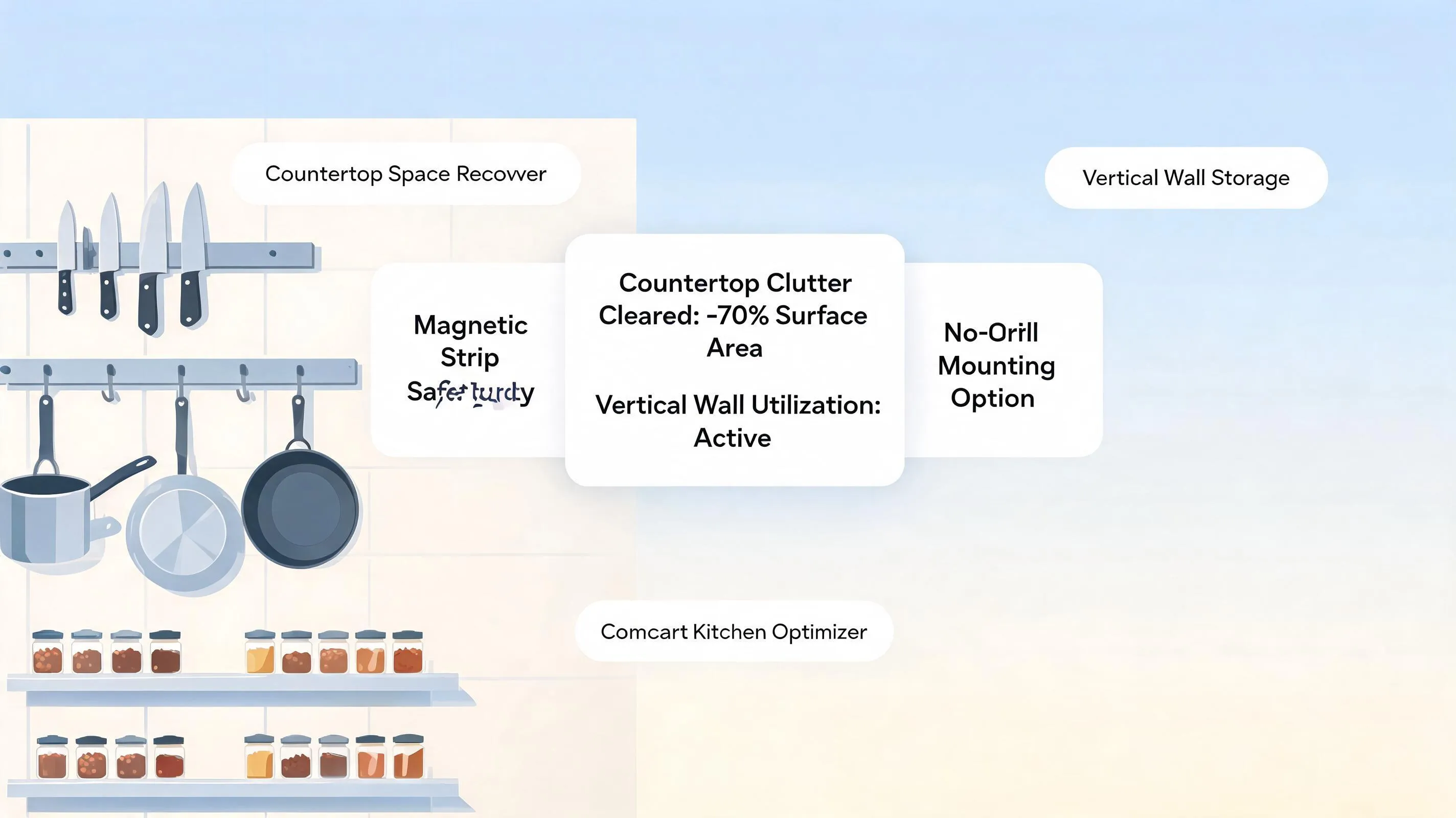
- Mount Magnetic Knife Strips and Rail Systems: Screw stainless steel magnetic strips and utensil hanging rails onto the tile backsplash between your lower counters and upper cabinets.
- Extend Upper Cabinets to the Ceiling: If your kitchen features an awkward gap between upper cabinets and the ceiling, add matching filler boxes or upper display doors to capture top-tier volume.
- Hang Pots and Pans Overhead: Install a sturdy ceiling-mounted or wall-mounted pot rack to suspend heavy iron skillets and copper pans off crowded lower shelves.
7. Make More Room in Small Bedrooms With Tall Storage Solutions
Crowded nightstands, overflowing wardrobes, and chairs piled high with clothes turn a small bedroom into a stressful environment that destroys restful sleep.
Applying targeted vertical storage ideas for small bedrooms and smart tall bedroom storage maximizes clothing capacity without eating into bedroom floor space.
Bedroom vertical rules:
- Double-Hang Your Closet Rods: Install two parallel clothing rods inside your wardrobe to separate short garments (shirts, jackets) on top from long garments (trousers, dresses) below.
- Build an Above-Bed Bridge Cabinet Unit: Frame your bed with matching vertical wardrobes on either side connected by an upper bridging cabinet to capture full perimeter wall storage.
- Use Tall Slender Wardrobes in Corners: Place a towering 84-inch wardrobe in an empty bedroom corner to supplement shallow closets without expanding your bedroom's floor footprint.
8. Install Bathroom Wall Storage to Keep the Floor and Counter Clear
Tiny vanities and zero linen closets force toiletries, hair dryers, and extra bath towels onto narrow sink edges where they constantly get knocked into water.
Deploying clever vertical bathroom storage and practical small bathroom wall storage tames daily countertop clutter in tight wet rooms.
Bathroom vertical tactics:
- Recess Medicine Cabinets Into Wall Studs: Cut between wall studs above your sink vanity to install a deep mirrored cabinet that holds skincare bottles and medications completely flush.
- Utilize Over-Toilet Wall Space: Place a slender over-toilet storage cabinet or floating shelving tier above the toilet tank to store extra toilet paper rolls and bath towels.
- Hang Multi-Tier Shower Caddies: Use rust-proof tension poles or corner-mounted shower caddies to stack shampoo and soap bottles vertically inside the stall.

9. Use Hooks, Rails, and Pegboards for Everyday Items
Without designated vertical drop zones, bags, coats, keys, and kitchen tools immediately migrate across every available table and chair in your home.
Installing flexible wall hooks for small spaces, modular pegboard storage ideas, and versatile hanging wall storage keeps daily essentials accessible and off your floors.
Hanging storage guidelines:
- Stagger Wall Hooks by Height: Mount hooks at 60 inches for adult coats, 48 inches for children's bags, and 36 inches for pet leashes so every family member can reach their gear.
- Install Slotted Pegboards in Work Zones: Anchor a framed wooden pegboard onto kitchen or home office walls to create an infinitely adjustable vertical tool and supply hanging board.
- Utilize Back-of-Door Valet Racks: Hang sturdy over-door organizer racks on bedroom and bathroom doors to capture unused vertical swinging space.
10. Turn Narrow Walls and Corners Into Useful Vertical Storage
Every compact house features awkward 6-inch gaps beside refrigerators, narrow wall piers between doorways, and tight room corners that sit completely empty.
Fitting slim narrow wall storage ideas, custom vertical corner storage, and specialized small space shelving turns overlooked gaps into high-utility zones.
• Awkward corner intersection sits bare
• Zero functional storage contribution
• L-shaped floating corner shelves hold decor
• Tall pull-out spice rack utilizes hidden void
Narrow space tactics:
- Slide Roll-Out Towers Into Appliance Gaps: Tuck a slim, multi-tier rolling wire cart into the narrow 6-to-9-inch gap between your kitchen refrigerator and counter wall.
- Install Interlocking Corner Shelves: Mount triangular floating wood shelves into tight room corners to display plants and small accessories without blocking pathways.
- Build Custom Narrow Pull-Out Cabinets: Frame a vertical pull-out pantry rack inside narrow wall voids to store canned goods, cleaning sprays, or wrapping paper rolls.

11. Keep High-Level Storage Organized and Easy to Reach
Towering vertical storage units and high upper shelves provide massive capacity, but failing to organize them correctly turns upper ledges into unsafe, forgotten junk drawers.
Mastering high shelf storage ideas and effective organizing vertical storage keeps upper compartments functional and easy to navigate.
High-shelf organization rules:
- Assign Items by Frequency of Use: Keep daily necessities at comfortable eye and waist height, while storing seasonal gear and holiday boxes on top-tier shelves.
- Use Lidded Bins With Pull Handles: Store items on high upper shelves inside lightweight canvas bins equipped with front pull handles so you can slide them down safely.
- Label Every High Container: Attach clear, bold printed labels to the front of all upper storage bins so you know exactly what is stored overhead without needing to pull every box down.

12. Plan a Vertical Storage Layout Without Making Rooms Feel Crowded
Putting up shelves on every single wall, crowding tall bookcases into tight corners, and covering surfaces with hanging racks can quickly turn a small home into a cluttered cave.
Crafting a balanced vertical storage solutions for small homes and thoughtful small home vertical storage design protects your room's natural light, circulation, and visual openness.
Your Vertical Storage Sign-Off Checklist:
Transform Your Crowded Home Into an Airy, Organized Masterpiece
You shouldn't have to live surrounded by crowded floors, overflowing cabinets, and messy surfaces just because your home's footprint is compact. When you lift your storage onto soaring vertical walls, install smart floating shelves above doorways, tuck tall wardrobes into corners, and organize upper shelves with uniform bins, your small home effortlessly opens up, breathes easier, and works harder for your everyday life.
Which cluttered zone—crowded kitchen counters, overflowing bedroom wardrobes, or messy hallways—is stealing your floor space right now? Share your room dimensions with DesignHome, test wonderful vertical storage layouts in interactive 3D, and craft a breathtaking, impeccably organized home tailored to the way you live.
Frequently Asked Questions About Using Vertical Space in a Small Home
My floors are already crowded with dressers and bins—where else can I put my things without making my rooms feel smaller?
Here is the raw truth: dragging another wide bookcase or plastic storage chest onto your floor doesn't organize your house—it just suffocates your walking space and traps your rooms in visual clutter.
When your furniture stays low and wide while the upper two-thirds of your walls sit completely blank, you leave hundreds of square feet of holding capacity untouched. Mastering how to use vertical space in a small home comes down to lifting everyday belongings off the floor and anchoring storage upward toward the ceiling. Applying smart vertical space ideas keeps continuous floorboards exposed underneath, tricks the eye into perceiving taller ceilings, and gives your cramped rooms room to breathe.
I need more room for books and everyday items, but adding another cabinet will choke my layout. What should I install instead?
When your floor footprint is maxed out, mounting sleek storage directly onto your drywall lets you capture holding capacity without sacrificing a single inch of walking clearance.
Installing wall shelves for small spaces—such as heavy-duty floating oak ledges anchored straight into structural studs—gives books, plants, and daily essentials a dedicated home right above your sofa or desk. Keeping shelf depths proportional at 8 to 10 inches prevents shoulder bumps in tight hallways while delivering high-utility vertical wall storage ideas that keep your floors completely unobstructed.
Why do my standard low dressers and short bookcases take up so much room without holding nearly enough?
Short, wide furniture pieces eat up massive amounts of horizontal square footage while leaving seven feet of empty drywall doing nothing above them.
Swapping low credenzas for tall storage cabinets for small spaces multiplies your storage capacity by 300% within the exact same floor footprint. Choosing slender, soaring units that stretch within inches of your ceiling molding—and bolting them safely into wall studs—unlocks true floor-to-ceiling storage that draws the eye upward and eliminates horizontal crowding.
There is a huge stretch of empty wall above my furniture—how do I turn an entire wall into organized storage?
Treating an entire wall section as one cohesive architectural system turns scattered piles into a seamless, gallery-worthy storage feature.
Executing comprehensive floor-to-ceiling storage ideas works best when you pair deep closed cabinets on the lower base for heavy electronics with open eye-level shelving for books and lidded boxes near the ceiling. Painting the entire unit in the exact same color as your surrounding drywall makes full wall storage blend effortlessly into your room so it never feels heavy or overwhelming.
The empty wall space above my doors, windows, and hallways is doing nothing. How do I actually put it to work?
The 12 to 24 inches of vertical drywall sitting directly above interior doorways and window frames is one of the most overlooked storage goldmines in any compact house.
Deploying smart above door storage ideas involves mounting sturdy timber ledges directly into the structural header framing above bedroom and hallway doors to hold extra guest pillows, duvets, and luggage. Placing matching lidded canvas bins along these high perches delivers clean, dust-free overhead storage for small homes without intruding on your daily living zone.
My kitchen counters are buried under small appliances and spice jars because there's nowhere else to put them. How do I clear them?
When coffee makers, knife blocks, and utensil crocks swallow your limited counter space, cooking a simple weeknight meal becomes an exhausting juggling act.
Implementing vertical kitchen storage ideas lifts daily tools straight off your prep surfaces onto walls and cabinet interiors. Anchoring stainless steel magnetic knife strips and S-hook utensil rails onto your backsplash, extending upper cabinets all the way to the ceiling, and hanging pots overhead maximizes small kitchen wall storage so your counters stay wide open for cooking.
My bedroom desperately needs more clothing storage, yet I can't fit another dresser. How do I use vertical height around the bed?
Crowded nightstands and chairs piled high with clothes turn a compact bedroom into a stressful environment that disrupts restful sleep.
Applying targeted vertical storage ideas for small bedrooms starts with installing double-hang closet rods at 80 inches and 40 inches inside your wardrobe to instantly double your hanging capacity for shirts and trousers. Framing your bed with narrow vertical wardrobes connected by an overhead bridge cabinet—and swapping floor nightstands for floating wall drawers—delivers high-capacity tall bedroom storage without eating up floor area.
There isn't enough floor space in my tiny bathroom for another cabinet—where can I store extra towels and toiletries?
Tiny pedestal sinks and missing linen closets force skincare bottles, hair dryers, and extra bath towels onto narrow sink edges where they constantly get knocked over.
Installing vertical bathroom storage tames daily countertop clutter without cramping tight wet rooms. Cutting between 16-inch wall studs to recess a deep mirrored medicine cabinet flush into the wall, mounting slender shelving tiers above the toilet tank, and hanging multi-tier corner shower caddies creates effortless small bathroom wall storage that keeps every bottle organized.
Coats, bags, keys, and kitchen tools keep piling up on every chair and table. What vertical hardware stops the mess?
Without designated vertical drop zones right where you enter rooms, everyday gear immediately migrates across every flat surface in your house.
Mounting staggered wall hooks for small spaces at 60 inches for adult coats and 36 inches for children's backpacks catches clutter right at the front door. Anchoring slotted wooden pegboard storage ideas in kitchens and home offices—alongside over-the-door valet racks on bedroom doors—delivers adaptable hanging wall storage that keeps daily essentials visible and off your furniture.
I have awkward narrow wall piers and tight room corners around my furniture—how can I turn those gaps into storage?
Every compact home hides narrow 8-inch gaps beside refrigerators, slim wall piers between doors, and tight 90-degree corners that collect dust while closets overflow.
Fitting narrow wall storage ideas—like sliding a multi-tier rolling wire tower into the gap beside your fridge or framing a pull-out spice rack into a shallow wall void—puts dead inches to work. Mounting triangular floating shelves into tight intersections unlocks clean vertical corner storage and high-utility small space shelving without blocking walkways.
I have shelves reaching all the way to the ceiling, but getting things down feels inconvenient and unsafe. How do I organize high storage?
Towering shelves provide massive volume, yet tossing loose items near the ceiling turns upper tiers into frustrating, forgotten junk drawers.
Mastering high shelf storage ideas comes down to sorting belongings strictly by frequency of use—keeping everyday essentials at comfortable eye and waist height while reserving top-tier ceiling ledges for seasonal decor and luggage. Storing upper items inside lightweight lidded bins equipped with bold front labels and sturdy pull handles ensures safe, effortless organizing vertical storage with a simple folding step stool.
I want more storage across my house, yet I don't want every wall covered in shelves until my rooms feel like a cave. How do I plan a balanced vertical layout?
Covering every single wall in towering bookcases and hanging racks quickly makes a compact home feel closed-in and dark, whereas leaving at least 40% of your wall surface bare preserves visual breathing room and natural daylight.
Using DesignHome™ Synthesis Spatial Engine, you can stream your exact room dimensions into an interactive 3D canvas, test balanced vertical storage solutions for small homes—from floor-to-ceiling anchor walls and above-door ledges to slim corner towers—verify 36-inch walking aisles, and preview your complete small home vertical storage design before installing a single bracket.


