

You walk into your north-facing living room at 2:00 PM on a clear afternoon, expecting fresh natural light, only to feel like you stepped into a chilly basement where your "bright off-white" paint looks like wet concrete.
Because northern windows never receive direct sunbeams, cool bluish shadows settle into every corner, stripping warmth from flat drywall and turning ordinary gray or stark white paint dreary and lifeless. You pull your sweater tighter, look around at the shadowy walls, and ask yourself: My room never gets warm direct sunlight—which paint colors will actually make this space feel brighter, warmer, and truly inviting?
Here is the unvarnished reality of northern exposure: selecting paint colors for north-facing rooms isn't about trying to fake sunshine with neon yellow paint—it is about counteracting cool, bluish indirect daylight with creamy warm undertones, soft earth-toned neutrals, and intentional lighting that wraps your walls in richness.
A low-sunlight room fails when homeowners apply stark icy whites that turn dingy gray in shadow, choose cool blue-grays that amplify the room's natural chill, or pick flat builder-grade paint that swallows every drop of ambient bounce light. By anchoring your walls with warm ivory, soft greige, honeyed beige, or moody forest green paired with layered 2700K lamps, you transform a shadowy north-facing room into the most valuable, comfortable space in your house.
Whether you are brightening a dim bedroom or warming up a north-facing kitchen, here is how to plan, test, and execute your north-facing paint palette step by step.

1. Paint Colors for North-Facing Rooms That Feel Warmer and Brighter
Before buying gallons of stark gallery white in hopes of reflecting light that isn't there, pause and recognize how northern exposure behaves differently from every other room in your home.
Most homeowners struggle with paint colors for north-facing rooms because cool indirect sky light flattens pale, cool-toned paints, making walls look dull and shadowy all day long.
To master north-facing room paint colors and execute high-impact north-facing room color ideas, anchor your selection process around three foundational rules:
- Counteract Blue Light With Warm Undertones: Northern daylight carries a distinct cool blue cast; choosing paints with subtle yellow, red, or golden-ochre undertones neutralizes that chill immediately.
- Choose Soft Reflectance Over Stark Brightness: Instead of stark white (which turns gray in low light), opt for creamy off-whites and warm mid-tones that hold their rich pigment without looking muddy.
- Pair Paint With Warm Artificial Lighting: Because natural light stays indirect, supplementing your wall color with warm 2700K table lamps and wall sconces keeps your walls glowing from morning until night.
Explore our architectural strategies for paint colors for south-facing rooms to compare how cool-leaning tones balance intense direct sunbeams on the opposite side of your home.
2. Understand How North-Facing Natural Light Changes Wall Colors
Unlike southern or western rooms that shift dramatically from morning coolness to fiery sunset gold, north-facing rooms receive remarkably steady, diffused light all day—yet that light leans distinctly cool.
Understanding north-facing light and paint colors, reading north-facing room lighting, and mastering how natural light affects paint colors stops you from picking shades that turn cold once they dry on your walls.
Follow this 3-step diagnostic before opening a paint fan deck:
- Check Exterior Window Reflections: Look outside your northern windows—if tall evergreen trees or a neighboring brick wall sit right outside, green foliage or dark shadows will cast extra cool tint onto your interior drywall.
- Evaluate Shadow Depth in Corners: Notice how far into the room natural light travels; deep corners away from the glass need warmer undertones and satin-soft reflectance to stay lively.
- Prioritize High-CRI Warm Bulbs: Because northern rooms rely heavily on lamps even on cloudy afternoons, pair your wall paint with 2700K bulbs rated 90+ CRI so warm pigments never look washed out.
For technical specifications on residential daylighting metrics, Color Rendering Index (CRI), and indirect sky illumination, visit the Illuminating Engineering Society (IES).
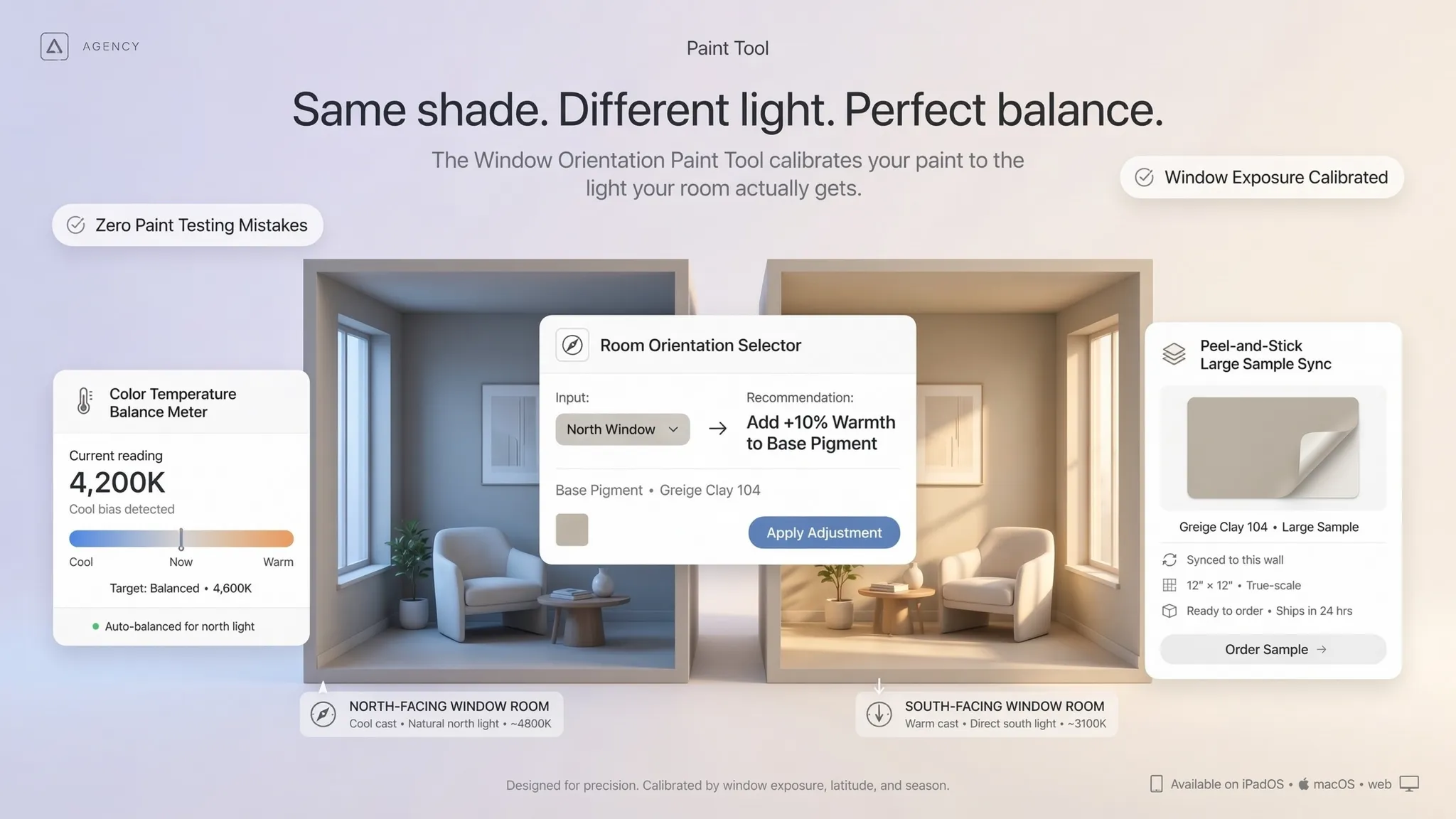
3. Choose Warm Undertones to Balance Cooler Natural Light
The single fastest way to rescue a chilly north-facing room is to inject subtle warmth directly into your paint formula's underlying pigment base.
Selecting warm paint colors for north-facing rooms, identifying warm undertones for walls, and comparing warm neutral paint colors wraps your architecture in welcoming comfort.
• Crisp ice-white looks stark & sterile
• Shadows feel harsh and uninviting
• Creamy ivory glows like soft candlelight
• Wood furniture & brass hardware come alive
Warm undertone selection rules:
- Look for Yellow, Ochre, or Red Bases: Inspect the darkest color at the bottom of your paint swatch card; if the bottom shade leans warm camel, terracotta, or golden honey, the lighter shades above it will warm up your room.
- Avoid Stark Blue-Grays and Icy Whites: Even a hint of blue or violet undertone in a neutral paint gets magnified by northern sky light, making your room feel colder.
- Balance Warm Walls With Crisp Trim: Pairing warm, creamy walls with a clean, soft white trim creates subtle architectural definition without feeling jarring.
4. Find the Right White Paint Colors for North-Facing Rooms
Many homeowners paint a dim north-facing room pure white hoping to brighten it up, only to watch those white walls turn dull, shadowy gray by mid-afternoon.
Selecting the right white paint colors for north-facing rooms, testing warm white paint colors, and choosing off-white paint for north-facing rooms keeps white walls luminous rather than lifeless.
White paint guidelines for low-sunlight spaces:
- Choose Creamy Alabaster Over Stark White: Whites tinted with a gentle drop of yellow oxide or warm umber counteract cool northern shadows without looking overly yellow.
- Use Velvet Eggshell Sheen Instead of Chalky Flat: An eggshell finish bounces subtle ambient window light gently across your walls, adding life and warmth that flat matte paint absorbs.
- Keep Ceiling Paint Softly Coordinated: Avoid painting the ceiling a harsh blue-white above warm off-white walls; use the exact same warm white on both walls and ceiling for seamless flow.

5. Use Beige, Greige, and Other Neutrals for a Softer Look
When white walls feel too stark yet bold color feels overwhelming, warm neutrals deliver effortless sophistication that thrives in steady northern light.
Exploring neutral paint colors for north-facing rooms, comparing beige paint colors, and selecting greige paint colors for north-facing rooms builds a timeless, adaptable backdrop.
Neutral palette guidelines:
- Pick Warm Greiges With Taupe or Red-Beige Bases: Unlike cool grays that turn icy in northern light, warm greige stays grounded, cozy, and refined from morning till night.
- Embrace Modern Sandy Beiges: Updated beiges with soft earthy undertones—far removed from heavy 1990s yellow-tan—wrap north-facing rooms in inviting warmth.
- Don't Fear Medium-Value Neutrals: A rich mushroom, warm putty, or soft camel wall holds its color integrity in indirect light far better than ultra-pale tints that wash out into flat gray.
Preview Warm North-Facing Palettes Across Your Real Room in 3D
Picking a warm cream or greige from a tiny store card makes it nearly impossible to tell whether your shadowy north-facing corners will glow with inviting warmth or turn muddy once painted. You deserve to see how warm undertones interact with your actual furniture and indirect daylight before buying gallons of paint.
Bring warmth and value back into your coolest rooms without costly trial and error. Upload a photo or floor plan of your space to DesignHome, and craft your ideal Paint Colors for North-Facing Rooms—testing warm alabasters, rich greiges, and moody hues against your real lighting and wood floors in interactive 3D so your north-facing room becomes a truly standout starting point for your home.
Visualize Your Warm North-Facing Room in 3D Today with DesignHome →
6. Choose Green and Blue Paint Colors That Work With North-Facing Light
Conventional decorating advice warns you never to paint a north-facing room blue or green, yet choosing the right warm-leaning botanical greens and dusty blues creates extraordinary depth.
Selecting green paint colors for north-facing rooms, testing blue paint colors for north-facing rooms, and curating muted green wall colors brings serene organic character indoors.
Green and blue selection tactics:
- Choose Yellow-Based Greens Over Blue-Based Greens: Olive, moss, and warm sage greens carry yellow undertones that thrive in cool northern light, whereas mint or icy aqua greens will feel chilly.
- Lean Into Moody, Saturated Blues: Pale baby blues often look washed out and cold in northern rooms, while deep navy, petrol blue, or warm slate blue feels enveloping and intentional.
- Pair Botanical Walls With Warm Wood and Brass: Offset green or blue walls with cognac leather, warm oak furniture, and aged brass lamps to keep the room balanced and inviting.
For guidance on zero-VOC interior paints, low-emission mineral pigments, and sustainably crafted home finishes, consult the Sustainable Furnishings Council (SFC).
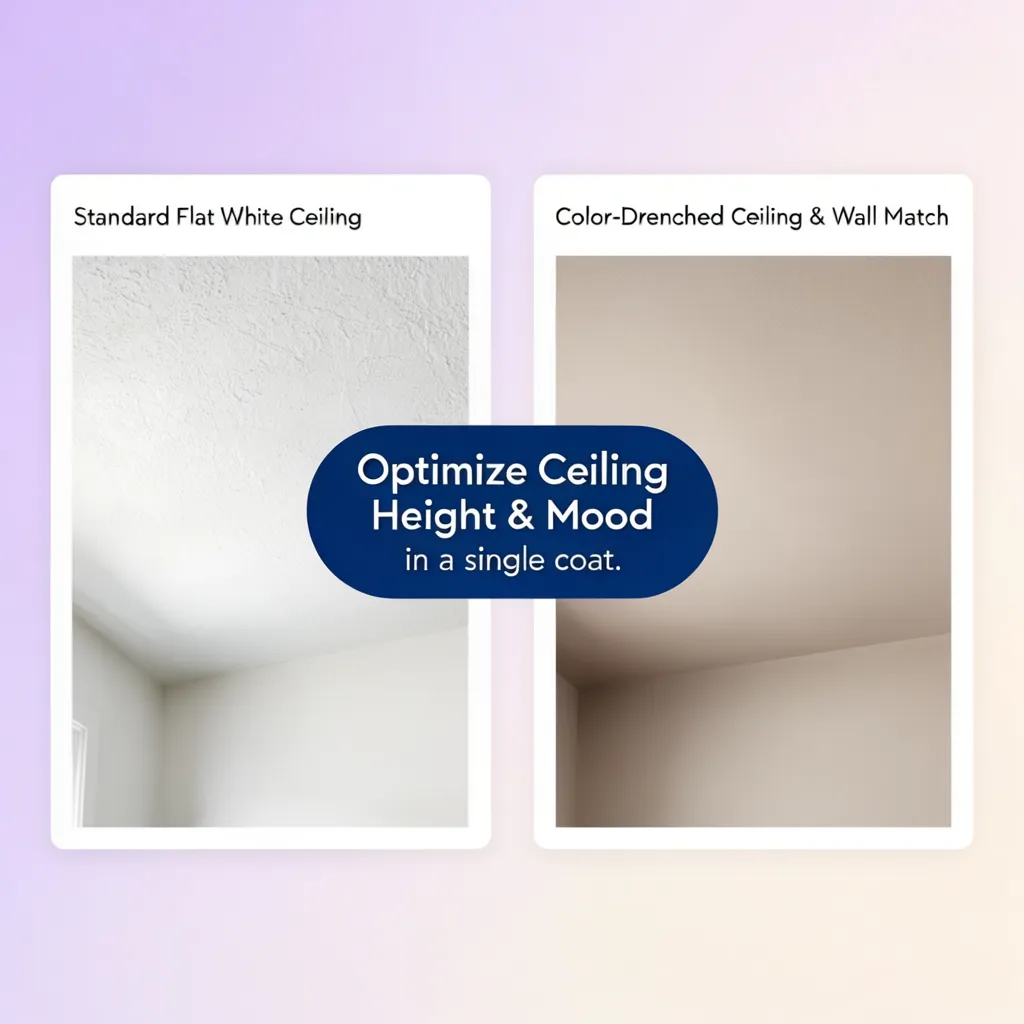
7. Consider Dark Paint Colors for a More Intimate North-Facing Room
Instead of fighting a low-light north-facing room's lack of direct sun, leaning into rich, dark colors transforms shadowy corners into a luxurious, cocooning sanctuary.
Exploring dark paint colors for north-facing rooms, styling deep green paint colors, and testing dark wall colors for low-light rooms creates unforgettable drama.
• Room feels flat and uninspired
• Lack of sunshine feels like a flaw
• Corners dissolve into cozy, intimate depth
• Warm table lamps shine like golden jewels
Dark color execution guidelines:
- Embrace Deep Forest Green, Warm Charcoal, or Eggplant: Rich, saturated dark shades don't rely on direct sunlight to look good; in fact, indirect northern light prevents dark walls from looking patchy or overly bright.
- Color-Drench Walls, Trim, and Doors Together: Painting baseboards, window casings, and doors in the exact same deep hue creates an enveloping, architectural jewel-box effect ideal for dens, libraries, and bedrooms.
- Illuminate With Warm Accent Lamps: Place warm 2700K lamps against dark walls to create dramatic pools of golden light that make the entire room sparkle after dusk.
8. Match Wall Colors With Flooring, Furniture, and Wood Finishes
Because north-facing light stays cool, pairing your wall paint thoughtfully with warm wooden floors, natural textiles, and rich upholstery is essential for total room harmony.
Coordinating wall colors with wood floors, building north-facing room color schemes, and matching paint colors with furniture unites every element in your interior.
Surface coordination rules:
- Let Warm Wood Floors Carry the Room's Glow: If you have honey oak, cherry, or warm walnut floors, choose a creamy ivory or warm greige wall paint that reflects those golden wood tones upward.
- Warm Up Cool Flooring With Earthy Walls: If your north-facing kitchen or living room has cool gray tile or stone, avoid gray walls completely—use warm linen, soft taupe, or muted terracotta to balance the room.
- Layer Warm Textiles Against Painted Walls: Introduce wool area rugs, woven rattan shades, and camel or rust throw pillows to reinforce warmth throughout the space.
Explore our architectural strategies for make an open plan home feel cozy to see how natural wood accents, layered rugs, and soft textiles warm up connected living areas.
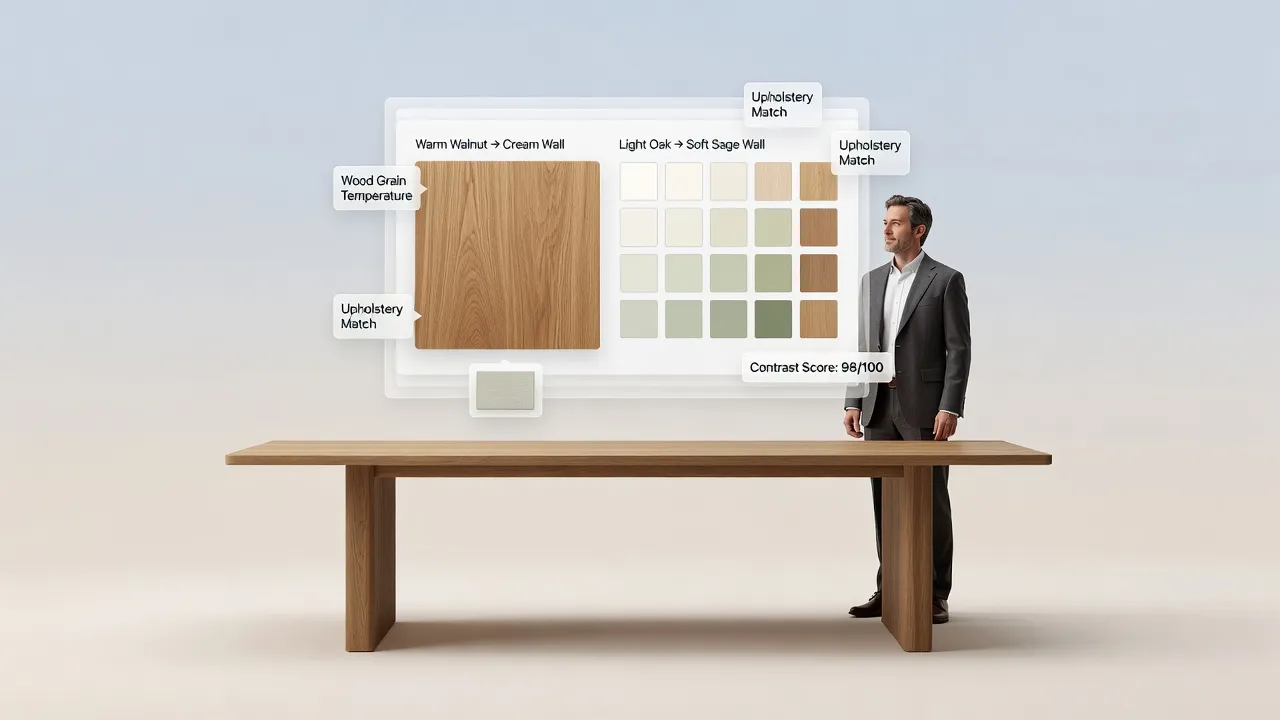
9. Choose Ceiling, Trim, and Accent Colors That Complement the Walls
Using harsh, blue-toned builder white on your ceiling and baseboards will immediately make warm north-facing wall colors look dingy or overly yellow by comparison.
Selecting ceiling colors for north-facing rooms, coordinating trim paint colors, and choosing accent colors for north-facing rooms elevates every architectural detail.
Trim, ceiling, and accent guidelines:
- Match Trim White Warmth to Your Wall Palette: Pair creamy whites, beiges, and warm greiges with a warm trim white (such as soft alabaster or warm ivory) so woodwork blends smoothly without harsh contrast.
- Soften Ceiling Shadows With Warmth: Because ceilings in north-facing rooms receive zero direct bounce light from the floor, painting them a soft warm white or a 50%-diluted tint of your wall color prevents overhead gloom.
- Punctuate With Rich Warm Accents: Bring energy into north-facing rooms through burnt orange, warm ochre, deep burgundy, and brushed brass accents that glow under evening lamp light.
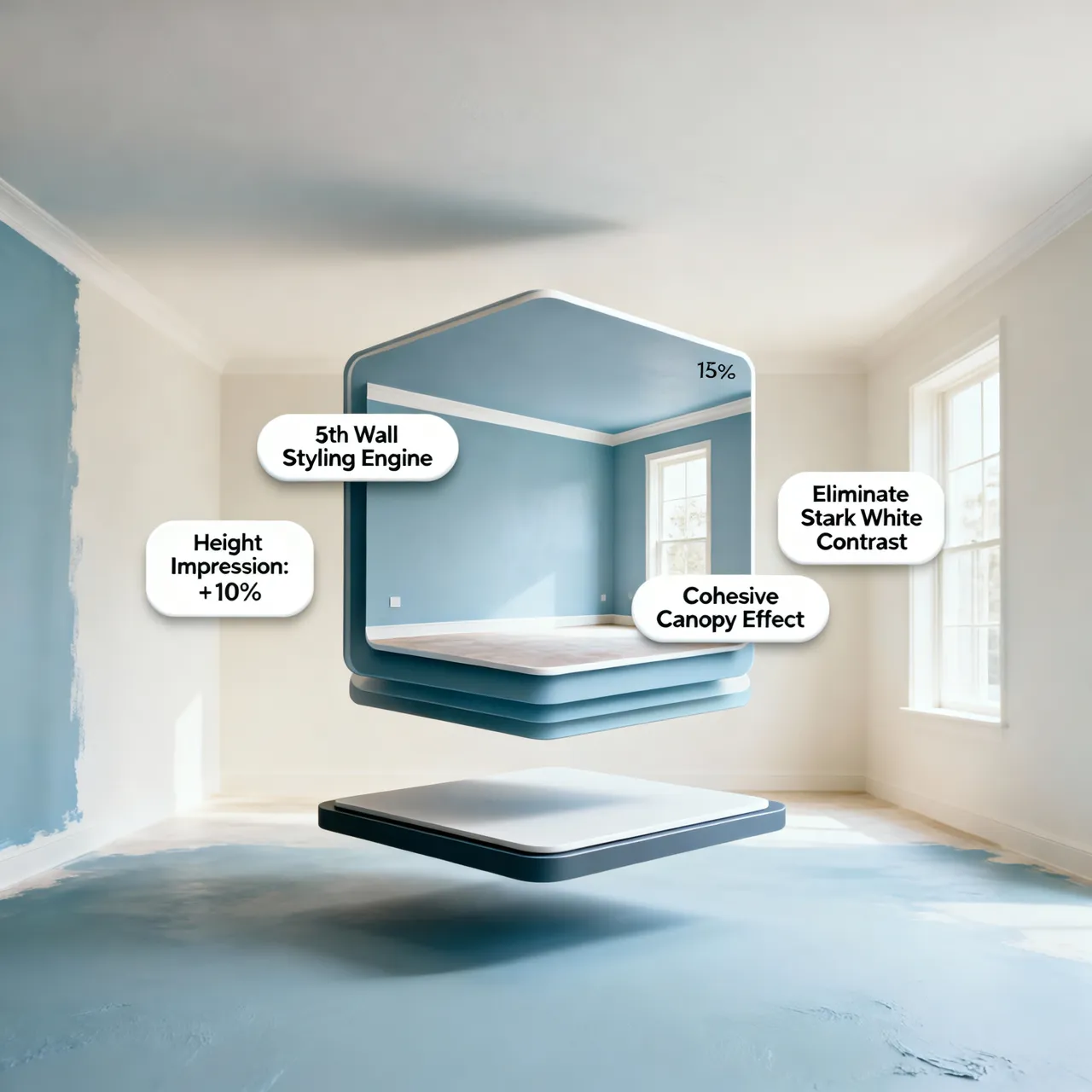
10. Select Paint Colors for North-Facing Living Rooms, Bedrooms, and Kitchens
Different north-facing rooms serve different daily rhythms—meaning your kitchen needs crisp brightness while your bedroom thrives in soothing, cocooning warmth.
Tailoring north-facing living room paint colors, restful north-facing bedroom paint colors, and welcoming north-facing kitchen paint colors optimizes every room for its purpose.
Room-by-room selection tactics:
- Wrap Living Rooms in Warm Greige or Olive: Choose adaptable warm greige or muted olive-sage for north-facing living spaces so the room feels inviting during overcast afternoons and cozy under evening lamps.
- Create Cocooning Bedrooms: Lean into warm mushroom, soft clay, or deep forest green in north-facing bedrooms to turn low natural light into a restful, sleep-inducing sanctuary.
- Keep North-Facing Kitchens Creamy and Luminous: Paint north-facing kitchen walls and cabinets in rich creamy off-white paired with warm wood countertops and under-cabinet LED strips so food prep stays bright and appetizing.
Explore our guide on choosing interior wall colors to see how to build a seamless whole-house color palette across rooms facing different compass directions.
11. Test Paint Samples Under North-Facing Natural Light
Because north-facing rooms lack direct sunbeams, testing paint swatches solely by holding them next to a bright window will mislead you about how dark interior corners will look.
Knowing how to test paint colors in north-facing rooms, evaluate north-facing room paint samples, and master how to choose paint colors eliminates costly repainting surprises.
Foolproof north-facing sample testing steps:
- Test in the Deepest Shadowed Corner: Move your painted sample board to the wall farthest from your northern windows; if the color still looks warm and lively in the darkest corner, it will look extraordinary across the entire room.
- Evaluate on Overcast Days: Cloud cover intensifies the cool blue cast of northern light; check your shortlisted samples on a gray, cloudy afternoon to make sure they never turn dull or muddy.
- Check Under Evening Lamp Light: Turn on your actual living room or bedroom lamps at 8:00 PM to confirm that creamy undertones glow warmly rather than turning overly yellow.
For official residential indoor air quality standards, low-VOC emission guidelines, and safe surface preparation practices, consult the International Code Council (ICC).
12. Create a North-Facing Room Color Scheme That Feels Balanced
Bringing warm wall undertones, soft eggshell finishes, coordinated trim whites, natural wood floors, and layered 2700K lighting together transforms a chilly north-facing room into an unforgettable highlight of your home.
Finalizing balanced north-facing room color schemes, building a cohesive north-facing room color palette, and selecting the right interior paint colors for north-facing rooms ensures lasting comfort all year long.
Your North-Facing Room Color Sign-Off Checklist:
Turn Your Coolest North-Facing Room Into Your Home's Warmest Retreat
You shouldn't have to live with dreary gray shadows or chilly-feeling walls just because your windows face north. When you counteract indirect sky light with rich warm undertones, velvet light-reflecting finishes, and cohesive wood and textile layers, your north-facing room becomes the most inviting, valuable space in your house.
Which north-facing space—a shadowy living room, a chilly bedroom, or a dim kitchen—is ready for a warm transformation right now? Share your room photos with DesignHome, preview custom warm wall colors and lighting setups in interactive 3D, and make your north-facing space truly shine.
Frequently Asked Questions About Paint Colors for North-Facing Rooms
My living room never seems to get warm direct sunlight—which wall colors will actually make it feel warmer and brighter instead of cold and dreary?
Here is the honest truth: a north-facing room feels chilly not because it lacks architectural charm, but because indirect northern sky light carries a natural bluish tint that cools down flat, pale wall shades.
Picking smart paint colors for north-facing rooms isn't about trying to fake midday sun with loud yellow—it is about choosing shades with warm undertones, balanced reflectance, and soft textures that counteract cool shadows. Thoughtful north-facing room paint colors and north-facing room color ideas turn a shadowy space into an inviting retreat you enjoy spending time in.
"Why does the exact same paint shade look warm on a store card yet noticeably cooler and flatter inside my north-facing room?"
Daylight without direct sunbeams behaves differently than bright window light, shifting how pigments appear across your walls throughout the day.
Understanding north-facing light and paint colors helps you read north-facing room lighting before buying gallons of paint. Paying attention to how natural light affects paint colors—including exterior tree or brick reflections—saves you from picking a shade that turns dull once it dries.
Would choosing a warmer wall shade stop my room from looking so cold and shadowy?
Adding warmth right inside your paint formula's underlying base helps counter the cool blue cast that naturally settles into northern rooms.
Focusing on warm paint colors for north-facing rooms and spotting warm undertones for walls—like soft golden, ochre, or earthy bases—gives cold corners a gentler glow. Pairing those shades with warm neutral paint colors creates a calm, welcoming room without relying on harsh or overly bright hues.
I love the look of white walls, yet I worry white paint will turn dull gray or lifeless in my north-facing room. Which white works best?
Pure, icy gallery white often loses its crispness in northern exposure and reads as flat or shadowy gray by afternoon.
Choosing white paint colors for north-facing rooms means looking for warm white paint colors and off-white paint for north-facing rooms that carry a soft creamy or warm ivory undertone. A gentle off-white with a touch of warmth keeps white walls feeling soft and livable rather than stark or chilly.
Plain white feels a little too simple, but I don't want bold color on every wall. Which neutrals add warmth without taking over?
Warm, understated neutrals give a north-facing room subtle depth and comfort while keeping your options open for furniture and decor.
Exploring neutral paint colors for north-facing rooms, testing beige paint colors, and considering greige paint colors for north-facing rooms lets you find shades that stay balanced in indirect light. Warm greige with a taupe or soft beige lean adds cozy character where cool gray might feel flat.
Can I paint a north-facing room green or blue without making the space feel even colder?
You don't have to rule out green or blue in a north-facing room—it all comes down to picking shades with warm or muted bases rather than icy, bright tones.
Selecting green paint colors for north-facing rooms and blue paint colors for north-facing rooms works best when you lean into muted green wall colors like warm sage, olive, or soft botanical tones. Paired with natural wood and warm lighting, earthy greens and deep dusty blues feel rich and grounded rather than chilly.
Should I avoid dark paint completely because my north-facing room doesn't get much sunlight?
Dark paint in a low-light room doesn't have to feel gloomy; in fact, rich tones can embrace the quiet mood and make shadowy corners feel intentional and cozy.
Deciding on dark paint colors for north-facing rooms depends on how you want the room to feel—whether an airy lounge or a snug den. Using deep green paint colors or other dark wall colors for low-light rooms works especially well in spaces meant for relaxing, reading, or unwinding in the evening.
The paint swatch looks promising on its own, but how do I know it will coordinate with my wood floors, cabinets, and furniture?
In a north-facing room, your wall color sits right alongside hardwood planks, upholstery, and trim, so clashing undertones stand out quickly.
Coordinating wall colors with wood floors and matching paint colors with furniture helps build north-facing room color schemes that feel tied together. Checking how warm oak, walnut, or fabric textures sit next to your wall shade keeps the whole room looking cohesive.
Should my ceiling and trim stay bright white in a north-facing room, or will matching them to the walls look better?
Stark white trim and ceilings can create a sharp contrast against warm or muted walls in low-light rooms, making edges stand out more than you intended.
Planning ceiling colors for north-facing rooms alongside trim paint colors and accent colors for north-facing rooms lets you decide whether soft contrast or blended tones suit your space best. Matching trim warmth or keeping transitions gentle helps the room feel unified from floor to ceiling.
Would the same paint color work across my north-facing bedroom, living room, and kitchen, or should each room be different?
Each room in a north-facing home supports different activities and lighting setups, so what feels restful in a bedroom might feel too dim for a kitchen.
Choosing north-facing living room paint colors, north-facing bedroom paint colors, and north-facing kitchen paint colors lets you tailor warmth and brightness to each room's role. Keeping a shared thread of warm undertones across rooms helps the home feel connected while serving each space's purpose.
How can I tell whether a paint shade will still look good in my north-facing room as morning light shifts into evening?
Because northern rooms rely on indirect daylight and evening lamps, a shade that looks pleasant at one hour can shift subtly later in the day.
Testing paint colors in north-facing rooms with generous north-facing room paint samples is one of the smartest steps in how to choose paint colors. Checking samples in quieter corners, on overcast days, and under warm evening lamps helps you spot any unwanted coolness before painting full walls.


