

You walk past your child's bedroom and see them hunched awkwardly over their bed, balancing a heavy textbook on a pillow while attempting to scribble down math homework.
Or perhaps your dining room table has been completely hijacked for three weeks straight—buried under an avalanche of colored pencils, open notebooks, loose graph paper, and a charging laptop. Every evening brings the exact same frustrating routine: clearing away half-finished science projects just to set down dinner plates, only to watch your child lose momentum, wander off toward the television, and struggle to regain focus. You sigh, look at the daily chaos, and ask yourself: How do I build a dedicated, inspiring study area that helps my child focus without turning our home into a chaotic classroom?
Here is the empowering truth for every parent: mastering study space design for children isn't about enforcing rigid corporate discipline—it is about creating an ergonomic, accessible environment where learning feels natural, inviting, and completely self-driven.
Children struggle to concentrate when their feet dangle uncomfortably from adult-sized chairs, when poor lighting causes eye fatigue, or when loose stationery clutters their work surface. By choosing age-appropriate adjustable furniture, positioning workstations to harvest glare-free natural light, and implementing intuitive point-of-use organization, you can build a high-performance study corner that supports your child's academic growth today and adapts seamlessly as they mature. For a deeper approach to integrating workspaces into bedroom layouts, see our bedroom workspace tactics for hiding desk gear from pillow sightlines.
Whether you are configuring a small bedroom nook or planning a shared study hub for multiple siblings, here is how to plan, zone, and execute a brilliant learning station step by step.

1. Study Space Design for Children: Create a Place They'll Enjoy Using
Before purchasing a kid-sized desk or clearing out a room corner, step back and examine how your child currently approaches their daily schoolwork.
Most homework setups fail because parents treat the workspace as a place of obligation rather than an inviting creative hub tailored to a child's physical scale.
Harsh Overhead Light
Toy Distractions
= Homework Battles
Glare-Free Task LEDs
Organized Bins
= Self-Driven Focus
To execute a successful children's study area, anchor your plan around three non-negotiable foundations:
- Prioritize Physical Ergonomics: Ensure your child's feet rest flat on the floor or a solid footrest, with elbows resting comfortably at a 90-degree angle on the desktop deck.
- Establish Hard Focus Boundaries: Position the workspace away from direct sightlines of toys, gaming consoles, or loud television zones.
- Empower Independent Storage: Keep everyday school materials inside low, easy-to-reach drawers and open bins so your child can clean up without constant parental nagging.
Explore our spatial strategies for home office design frameworks for productivity and visual harmony to learn how to integrate functional workstations into relaxing zones.
2. Choose the Right Location for Your Child's Study Space
Where you set up your child's desk dictates how easily you can supervise their progress and how well they block out household noise.
Finding the ideal spot for a study corner for kids requires balancing their need for quiet concentration with your need to provide subtle guidance.
Follow this 3-step diagnostic to determine optimal study area placement:
- Evaluate Supervision Requirements: Younger children (ages 5 to 9) thrive in quiet alcoves near main living spaces where parents can offer quick homework help. Older kids (ages 10+) require the deeper privacy of a bedroom nook.
- Audit Ambient Foot Traffic: Avoid positioning the desk right beside high-traffic household doorways, refrigerator paths, or main television corridors.
- Confirm Power Access: Ensure the chosen location sits within easy reach of grounded wall outlets to power desk lamps and school laptops safely.
For multi-function room zoning, see our multi-function layout playbook for rooms pulling double duty. For soft divider tactics, read our folding screen and area rug playbook for defining zones without walls.
3. Select a Desk That Matches Your Child's Age and Height
Buying a massive, full-size adult desk for a seven-year-old creates immediate physical discomfort. When a desk surface sits at chest height, writing becomes awkward and tiring.
Selecting the right children's study desk means matching the physical scale of the furniture to your child's current frame.
Selection rules for a kids study table:
- Invest in an Adjustable Study Desk: Choose a workstation featuring height-adjustable legs. Being able to raise the desktop deck in 1-inch increments lets the furniture grow alongside your child for years.
- Verify Surface Width: Ensure the top surface measures at least 36 inches wide by 24 inches deep to accommodate an open textbook, notebook, and desktop lamp simultaneously.
- Select Rounded Edge Profiles: Choose desk frames crafted with smooth, bullnose edges or rounded wood corners to protect active children from sharp bumps.
4. Choose a Comfortable Chair That Supports Good Study Posture
If a child wiggles, slumps, or constantly shifts around while doing homework, the primary culprit is almost always an unsupportive, ill-fitting chair.
Selecting a proper study chair for kids requires prioritizing physical posture and ergonomic adjustability over decorative novelty.
- Knees bend at awkward acute angle
- Spine slumps forward over desk
- 90-degree bend at knees & hips
- Lower lumbar back support engaged
Criteria for an ergonomic study chair for children:
- Incorporate an Adjustable Footrest: If using a standard desk height, select a chair equipped with a built-in, height-adjustable footrest ring so your child's feet stay firmly grounded.
- Choose Breathable Mesh or Fabric: Opt for cushioned seats upholstered in stain-resistant, breathable fabric or flexible mesh over hard plastic seats.
- Select Non-Swivel Bases for Young Kids: For younger children who get easily distracted, choose a stationary 4-legged chair or a weight-locking caster base that stays anchored while sitting.
Build Your Child's Dream Learning Station Today
Trying to calculate correct desktop heights, test desk placement inside a tight bedroom corner, or select furniture finishes that match your existing room decor can feel overwhelming. You don’t need to spend hours taking manual measurements or making educated guesses in crowded furniture stores to build an inspiring study space.
Paper & Tape Measure
- ✕ Hard to redraw wall changes
- ✕ Inaccurate furniture proportions
- ✕ No 3D depth or lighting preview
Our Home Design Studio
- ✓ Drag walls to resize rooms live
- ✓ Auto-calculated sq.ft & m² areas
- ✓ Instant 1-click 3D walkthrough
5. Position the Desk to Make the Most of Natural Light
Natural daylight boosts mood, enhances alertness, and reduces eye strain during long reading sessions. However, placing a desk incorrectly relative to a window creates harsh glare on computer screens.
Optimizing a study table near window setup requires strategic positioning to maximize indirect daylight.
  [ INCORRECT: Window Directly Behind Screen ] ===> High Contrast & Glare = Eye Strain & Headaches
                                                         |
  [ CORRECT:   Window Perpendicular to Desk  ] ===> Balanced Side Light = Optimal Reading Clarity
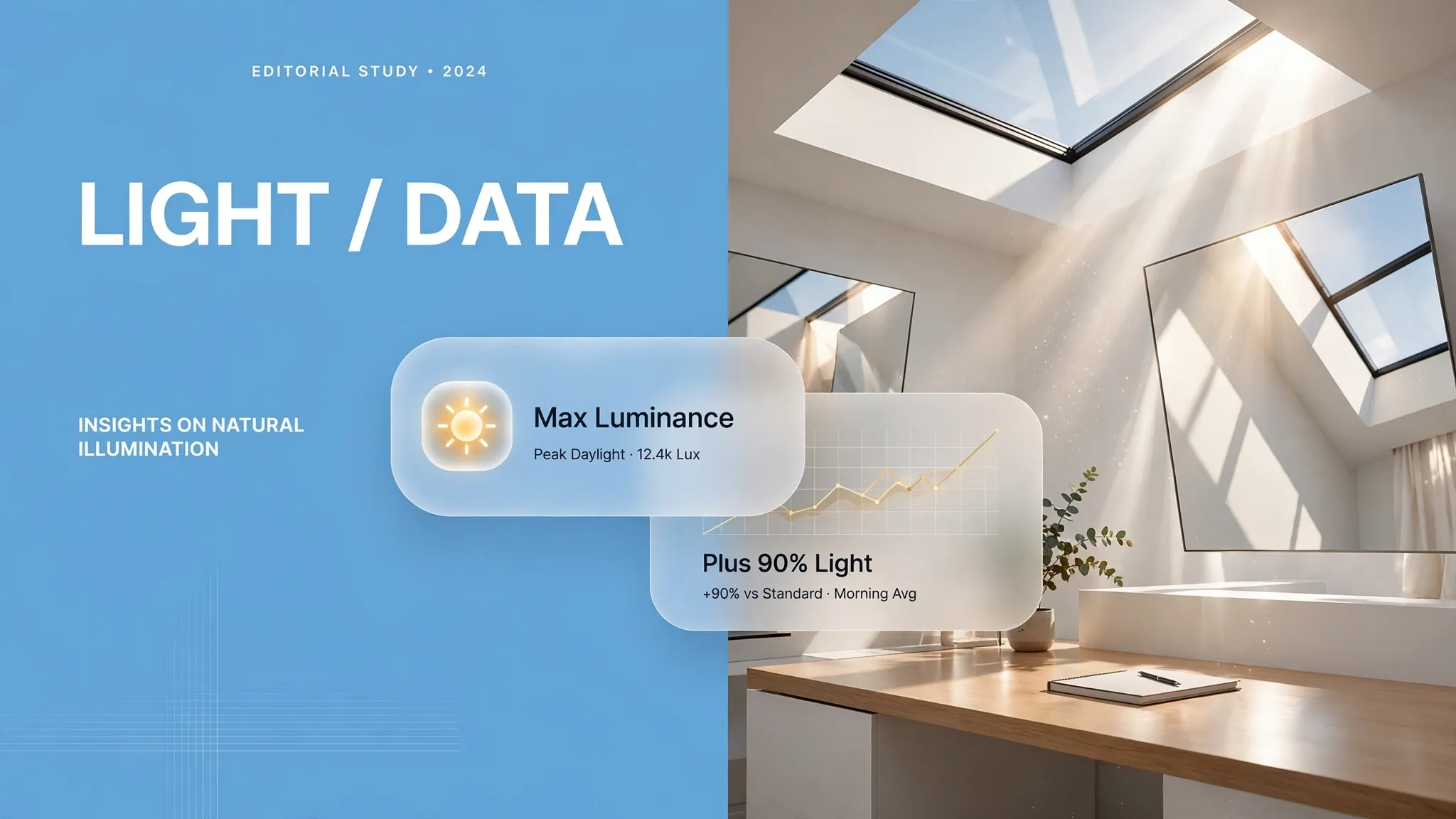
Daylight placement guidelines for children's study room lighting:
- Position the Desk Perpendicular to Windows: Place the desk at a 90-degree angle to the window wall. This allows natural side-light to illuminate reading materials evenly without creating reflections on laptop screens.
- Account for Hand Dominance: Place the window on the left side of a right-handed child (or the right side of a left-handed child) so their writing hand doesn't cast a shadow across their notebook.
- Install Light-Filtering Shades: Use adjustable solar roller shades or linen Roman blinds to soften intense direct afternoon sunlight.
For dim rooms that need supplemental light, see our lighting fixes for dark rooms with limited natural light. For a deeper framework on layered fixture placement, read our per-zone dimmable lighting approach for compact rooms.
6. Add Proper Lighting for Reading, Writing, and Screen Work
Relying solely on a single center-ceiling light bulb forces your child to work in their own shadow, leading to squinting, fatigue, and headaches during evening study sessions.
Building an effective kids study table lighting scheme relies on layering ambient room illumination with focused task lighting for effective study room lighting for children.
Task lighting rules:
- Choose High-CRI LED Desk Lamps: Select an adjustable gooseneck LED desk lamp with a High Color Rendering Index (CRI 90+) and multiple brightness dimming levels.
- Position Lamp Opposite Writing Hand: Ensure the task lamp sits on the left side for right-handed writers (and right side for lefties) to eliminate hand shadows.
- Select 3000K to 4000K Color Temperatures: Use neutral-white light bulbs rated between 3000K and 4000K (Kelvin) to promote alertness without harsh blue glare.
To review official technical metrics on task illumination, foot-candle recommendations, and glare prevention, visit the Illuminating Engineering Society (IES).
7. Create Storage That Helps Children Keep Their Study Materials Organized
When pencils, erasers, rulers, and assignment notebooks lack designated homes, they end up scattered across the desktop deck—creating immediate visual clutter that sabotages focus.
Unlocking efficient kids study space storage relies on implementing intuitive, point-of-use children's study desk organization.
- Textbooks stacked in unstable piles
- Tangled charging cables on floor
- Vertical magazine files for notebooks
- Under-desk cable management channel
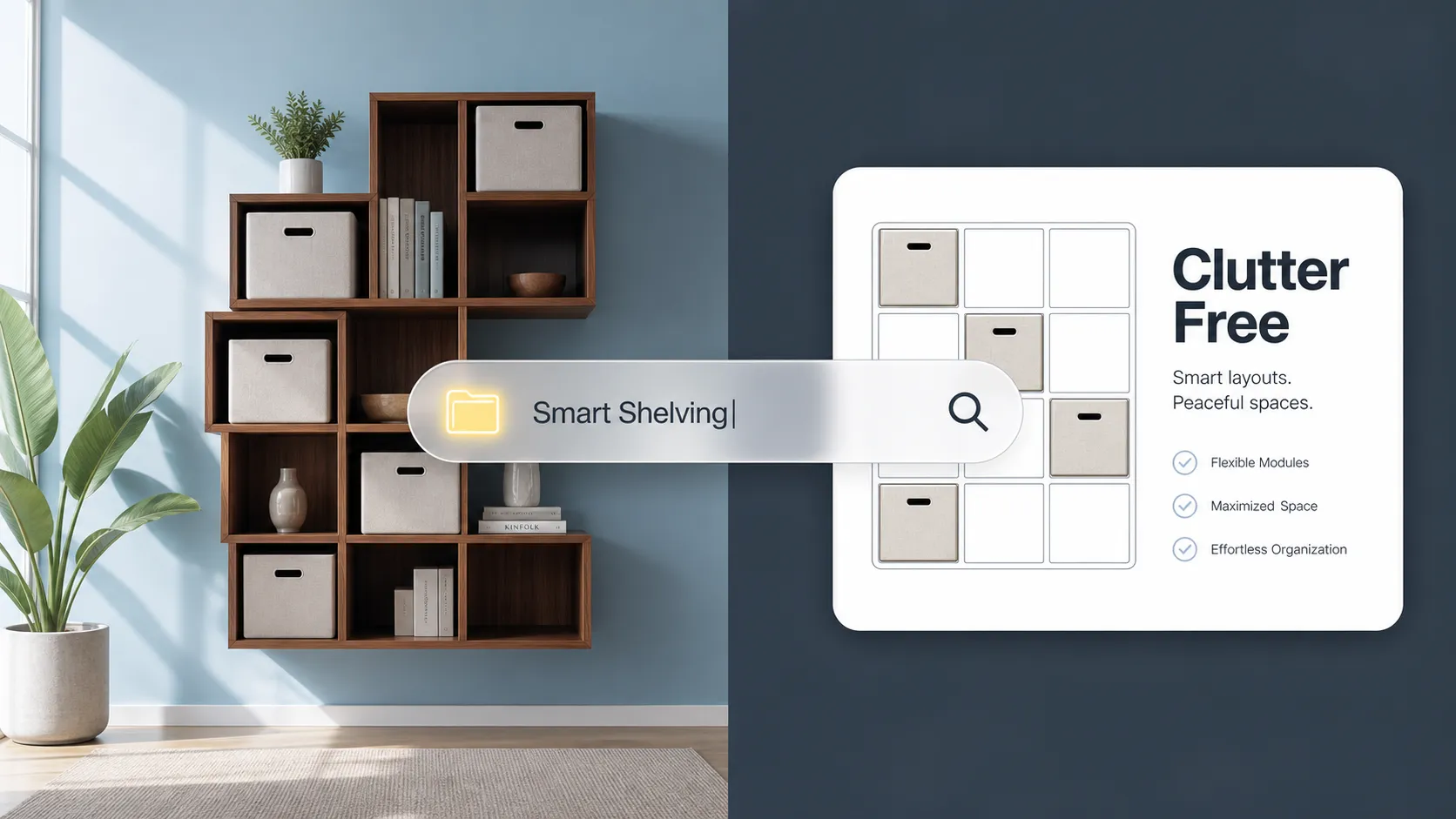
Organization strategies:
- Use Color-Coded Subject Bins: Assign a specific colored file folder or magazine holder to each school subject (e.g., Blue for Math, Green for Science) so your child can grab materials in a single second.
- Mount a Pegboard Wall Organizer: Install a metal or wooden pegboard directly above the desktop deck. Hang small storage cups for scissors and markers, keeping flat surfaces 100% clear.
- Incorporate Shallow Drawer Inserts: Use modular acrylic divider trays inside desk drawers so pens, erasers, and sticky notes stay pinned in place.
For a deeper approach to point-of-use storage systems, see our cabinet storage approach for keeping workspace supplies organized and hidden.
8. Keep the Study Area Free From Everyday Distractions
A beautiful study space won't improve homework habits if your child is constantly tempted by nearby toys, video games, or loud household conversations.
Creating a distraction-free study space for kids requires establishing both visual and auditory boundaries inside your children's study room ideas.
Distraction management tactics:
- Orient Desk Facing a Wall: Position the desk so your child faces a clean wall or pinboard while sitting, shielding their view from surrounding room activity.
- Establish a "Tech Parking Dock": Set up a dedicated device charging station located outside the immediate study zone where personal phones and tablets remain during focus hours.
- Limit Desktop Accessories: Keep only current assignment materials on the desk deck, storing extra art supplies and toys completely out of sight in closed lower cabinets.
9. Use Colors and Decor to Make the Study Space Inviting
A study area shouldn't look like a sterile, punitive isolation booth. Infusing warm colors, playful textures, and personal achievements makes the space feel welcoming and inspiring.
Balancing kids study room decor with functional children's study room design relies on using soft base colors paired with encouraging study corner decor.
- Chaotic cartoon wallpapers
- Visually exhausting patterns
- Warm natural oak wood furniture accents
- Personalized cork pinboard display
Design and color guidelines:
- Select Grounding Wall Colors: Paint the study wall in soft, calming hues like muted sage green, warm alabaster, or soft dusty blue. These shades lower stress and encourage focus.
- Install a Framed Cork Pinboard: Mount a large cork or magnetic board above the desk. Encourage your child to pin up artwork, math formulas, reading goals, and family photos.
- Add Organic Touches: Place a small, low-maintenance indoor plant (like a succulent or pothos) on a shelf to bring natural life and fresh air into their study nook.
For grounding wall tone recommendations, see our cozy shade families that create a calming study backdrop.
10. Design a Study Space That Grows With Your Child
Children grow rapidly, and their academic demands evolve just as fast. A cute toddler desk setup will become completely obsolete within two to three years.
Designing a study space for growing children means choosing adjustable kids study furniture and flexible layouts built for long-term versatility.
Long-term design rules:
- Select Modular Wall Shelving: Install adjustable wall-mounted tracks where shelves can be raised or reconfigured as textbook sizes increase.
- Choose Timeless Neutral Furniture: Invest in high-quality desk frames in natural wood, white, or matte grey. You can update room decor easily using inexpensive wall paint, posters, and desk accessories.
- Plan for Evolving Technology: Ensure cable grommets and under-desk power strips are built into the initial layout to support future laptops, printers, and monitors.
11. Create a Shared Study Area for Two or More Children
If you have multiple children sharing a single study room, managing different age groups, homework schedules, and personality dynamics can feel tricky.
Designing a shared study space for kids and executing a successful study room design for two children relies on establishing clear individual territories.
(Central bookcase acts as privacy barrier)
[ Desk B (Facing West) ]
(Zero visual contact)
Shared space tactics:
- Build a Central Storage Divider: Place a tall, dual-sided drawer unit or open bookcase in the center of a long double desk. This physically divides the workspace while providing each child with dedicated storage.
- Assign Dedicated Task Lighting: Provide each child with their own independent desk lamp and power outlets so they can control their immediate workspace environment.
- Orient Desks Back-to-Back: If room layout permits, place desks along opposite walls so children face away from each other during focus hours, eliminating visual distractions.
For shared room zoning tactics, see our spatial equity playbook for shared rooms with multiple occupants.
12. Bring Your Child's Study Space Together With a Practical Layout
Ready to build an organized, comfortable study space that makes everyday homework routines smooth and stress-free?
Before buying furniture, ordering lamps, or drilling wall anchors, bring all your spatial measurements, storage needs, and lighting controls together into a cohesive children's study space design. To preview everything before committing, read our digital preview workflow for testing study layouts before buying furniture.
  [ Step 1: Audit Child's Height & Select Height-Adjustable Desk & Chair ]
                                 |
  [ Step 2: Establish 36" Walkway Clearance & Orient Desk Perpendicular to Window ]
                                 |
  [ Step 3: Layer Dimmable 3000K-4000K Task LEDs & Mount Wall Pegboards ]
                                 |
  [ Step 4: Add Color-Coded Storage Bins & Grounding Footrest Support ]
                                 |
  [ Step 5: Execute Kids Study Room Layout with Total Confidence ]
The Ultimate Children's Study Space Sign-Off Checklist:
- [ ] Validate Ergonomic Fit: Confirm feet rest flat on the floor/footrest with elbows at a 90-degree typing angle.
- [ ] Ensure Light Direction: Position desk perpendicular to windows with task lamps on the side opposite the writing hand.
- [ ] Install Task Illumination: Equip workstation with a 3000K–4000K high-CRI (90+) dimmable LED lamp.
- [ ] Organize Point-of-Use Storage: Mount pegboards, wall shelves, and color-coded file holders for school supplies.
- [ ] Eliminate Visual Distractions: Orient the desk facing away from toys, televisions, and main room walkways.
- [ ] Plan for Future Growth: Select modular, height-adjustable furniture frames in timeless neutral finishes.
Give Your Child the Ultimate Study Sanctuary Today
Your child deserves a dedicated, inspiring learning environment that makes homework less of a daily chore and more of an empowering creative journey. Building a practical, high-performance study area doesn't require endless spatial guesswork or sacrificing your home's interior style.
By focusing on proper physical ergonomics, glare-free task lighting, intuitive point-of-use organization, and adaptable furniture layouts, you can eliminate daily homework battles and create a balanced space where your child can focus, create, and succeed every single day.
What specific homework struggles are you currently facing in your home? How can we help you customize the ultimate study layout for your child today?
External Resources & Industry Standards
To explore deeper technical guidance on ergonomic standards, childhood development guidelines, and lighting safety, consult these authoritative industry bodies:
- Illuminating Engineering Society (IES) – Technical lighting standards, glare prevention, and ergonomic task lighting metrics.
- Human Factors and Ergonomics Society (HFES) – Ergonomic standards for children's furniture, posture support, and workstation design.
- Sustainable Furnishings Council (SFC) – Official guidelines for non-toxic finishes, low-VOC paints, and child-safe materials.
Frequently Asked Questions About Study Space Design for Children
How can I build a productive workspace in my bedroom without ruining its calming atmosphere?
Protecting your bedroom's relaxing atmosphere relies on strict sightline management and physical boundaries. The key is positioning your workstation so computer screens, task lamps, and power cords sit completely outside your direct line of sight when lying down in bed. By using warm natural wood finishes, housing supplies in hidden drawers, and anchoring the desk with a distinct area rug, your bedroom home office design functions as a high-performance workspace by day and vanishes into a serene retreat by night.
Where is the absolute best spot to place a desk in a bedroom layout?
The ideal bedroom desk placement balances natural window light, electrical outlet access, and visual privacy from the headboard. Positioning a compact desk inside an awkward structural alcove, along a side wall perpendicular to a window, or floating it as a dual-purpose bedside console preserves a clear 36-inch walking aisle down the center of the room. This strategic placement keeps your work equipment from intruding on primary traffic paths or disturbing your resting view.
Will putting a home office in my bedroom make the space feel cramped and overcrowded?
Not when you match furniture scale to your room's natural footprint. Heavy corporate desks swallow floorboards and create visual clutter. Choosing a slender 20-to-24-inch deep floating wall desk or an open ladder workstation preserves vital floor space while maintaining ergonomic comfort. Utilizing multi-functional furniture—such as a console desk that doubles as a nightstand or vanity—ensures your small bedroom office setup feels open, airy, and intentional.
How do I create a clear boundary between my sleeping area and my desk without building walls?
You can create recognizable spatial zones using textural framing and smart furniture orientation. Placing a high-texture woven wool or jute area rug exclusively beneath your desk frame establishes a clear visual boundary that isolates your bedroom office zoning. Pairing this layout with a stylish 3-panel wooden privacy screen or painting a rich accent color inside a desk alcove creates clear psychological separation between high-focus work and evening relaxation.
What type of office chair provides long-hour support without looking like a bulky corporate seat?
Select a low-profile, mid-back desk chair upholstered in soft residential fabrics—such as linen, textured bouclé, tweed, or supple leather—that mirror your bedding and curtain textiles. Choose frames featuring warm brass, matte white, or wood-wrapped star bases rather than cold black plastic rollers. A mid-back silhouette sits neatly below your headboard line, delivering essential lumbar support while maintaining unbroken sightlines across your room.
How do I hide messy cables, chargers, and paperwork so they don't disrupt my sleep environment?
Mastering bedroom desk organization requires hiding all work equipment the moment your shift ends. Screw a metal cable raceway and power strip directly beneath your desktop to lift power bricks and cord bundles completely off the floor. Store loose paperwork inside deep full-extension drawers fitted with acrylic dividers, and place a soft linen dust cover over your computer monitor at 5:00 PM to eliminate black plastic visual noise instantly.
How should I position my bedroom desk to get the best natural light without screen glare?
Place your desk perpendicular (at a 90-degree angle) to major window walls. Side lighting illuminates your physical work surface evenly without casting harsh sun reflections on your computer display. Pair your window placement with light-filtering linen shades to diffuse direct afternoon sunlight, ensuring your face stays evenly lit during video calls while protecting your eyes from fatigue.
Can a floating wall desk really support a complete monitor and laptop setup?
Absolutely—provided it is anchored correctly into structural wall studs. Heavy-duty floating wall desks mounted with lag screws into solid timber studs offer rock-solid stability while leaving floor space 100% clear beneath. This open profile makes cleaning effortless and creates an airy, weightless aesthetic that is essential for compact bedrooms.
How do I choose desk finishes and decor that match my existing bedroom interior style?
Harmonize your materials across both functional zones. Choose a desk wood stain that matches your bed frame, nightstands, or wardrobe doors. Pair your setup with a brushed brass or ceramic task lamp that echoes your wall sconces, and lay down a soft leather desk mat. Leather dampens typing noise, protects the wood surface, and visually ties your workstation into your overall bedroom aesthetic.
How do I maintain video call privacy when working from a shared or open bedroom space?
Control your background frame and chair orientation. Position your desk so your back faces a clean, painted wall or curated bookshelf rather than an unmade bed or open closet. Placing a stylish rattan folding screen behind your chair during video meetings shields your personal space from camera view while dampening background household audio for a polished, professional presentation.
How can I prevent my bedroom workspace from causing work-related insomnia at night?
Psychological detachment requires physical separation. Keep your flat desk deck 90% clear of loose papers, route charging cables out of sight, and shut down glowing screens when your shift ends. Storing work supplies inside closed drawers breaks the mental connection between your sleep sanctuary and professional deadlines, allowing your brain to switch into deep rest mode.
How can I test my bedroom home office layout before buying furniture or moving heavy pieces?
Avoid spatial bottlenecks by mapping your exact baseboard footprints, walkway clearances, and bed sightlines virtually before purchasing furniture. Testing your fixture placements, desk depths, and chair arcs in advance ensures every piece fits your room with absolute spatial precision.


