

You step out onto your tiny back patio on a sunny Saturday morning, holding your coffee, hoping to soak in a breath of fresh air.
Instead, your eyes immediately hit a cluttered cluster of mismatched plastic pots, a prickly shrub spilling across the narrow walkway, and a folding metal chair squeezed awkwardly against the back fence. You take one step forward, snag your sleeve on an overgrown branch, and retreat back inside before your coffee even cools. Leaning against the kitchen doorframe, you look out at that postage-stamp yard and ask yourself: My garden is so small—can it ever actually feel like a peaceful, lush sanctuary instead of a cramped storage corner?
Here is the unvarnished reality of compact landscape architecture: executing memorable small garden design ideas isn't about shrinking your ambitions to fit tight fences—it is about drawing the eye upward with vertical greenery, anchoring clear diagonal sightlines, and curating proportional seating so a compact footprint feels twice its actual size.
A small outdoor space fails when scattered planters chop up the ground plane, when oversized shrubs swallow walking clearance, and when tall, solid walls trap shadows like a dark box. By mapping your sun exposure first, training climbing vines up perimeter trellises, laying large-format paving stones, and layering warm 2700K evening lighting, you transform an overlooked patch of dirt into an effortless, resort-caliber retreat.
Whether you are styling a narrow townhouse courtyard or reviving a compact suburban patio, here is how to plan, layer, and execute your small garden step by step.
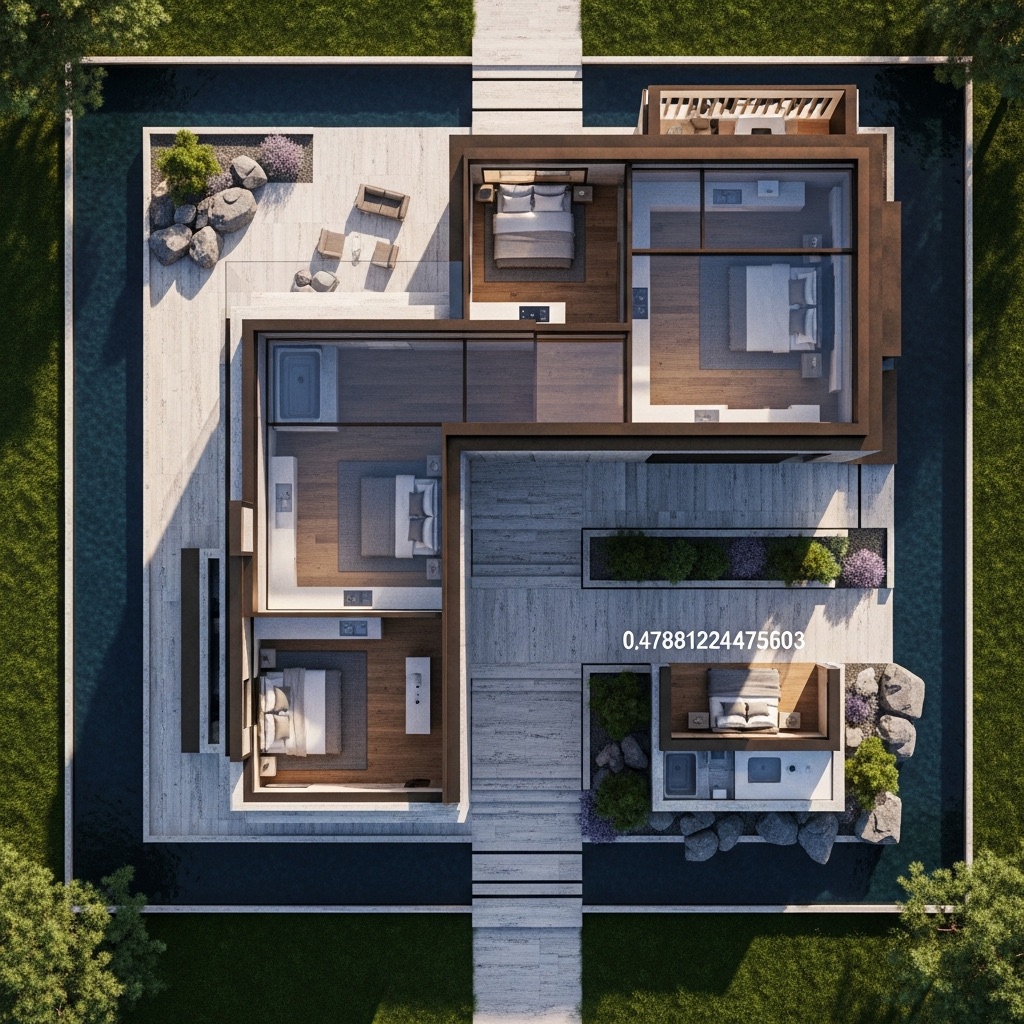
1. Small Garden Design Ideas That Make a Little Outdoor Space Feel Bigger
Before buying a single ceramic pot or digging up existing soil, pause and look at how your eyes travel across your yard from the moment you step outside.
Most compact gardens feel claustrophobic not because they lack square footage, but because scattered clutter breaks up the ground plane and stops your gaze abruptly at the back fence.
To master small garden design ideas and apply high-impact small garden ideas, anchor your outdoor footprint around three foundational rules:
- Create Diagonal Sightlines: Angle your main paving pattern or stepping stone path at a 45-degree diagonal across the yard; diagonal lines trick the human eye into perceiving the longest possible dimension of your lot.
- Keep Central Ground Open: Push planting beds and built-in benches to the outer perimeter walls so the middle of your garden remains clear, breathable, and easy to navigate.
- Use Fewer, Larger Focal Elements: Replace a dozen tiny, cluttered pots with three oversized statement planters; bold scale makes a tight space feel intentional and architectural rather than busy.
Explore our strategies for backyard design without grass to see how stone pavers and gravel borders eliminate weekly mowing chores in compact yards.
2. Plan a Small Garden Layout Before Choosing Plants or Furniture
Impulse-buying plants at the garden center before measuring your yard leads to overcrowded beds, shaded seating corners, and awkward walking paths.
Developing smart small garden layout ideas and mapping a cohesive small garden design layout starts with auditing sunlight, access points, and functional zones on paper first.
Follow this 3-step diagnostic before purchasing materials:
- Track Hourly Sun Patterns: Observe where direct sunlight hits your walls and ground between morning and late afternoon so you place sun-loving herbs in bright spots and your lounge chair in natural afternoon shade.
- Protect Doorway Swing and Traffic Loops: Leave at least 36 to 42 inches of unobstructed paving outside your back door so stepping into the garden feels welcoming and effortless.
- Assign One Clear Priority Zone: Decide whether your compact garden's primary job is morning coffee seating, outdoor dining for two, or lush container gardening, and allocate 60% of your footprint to support that main use.
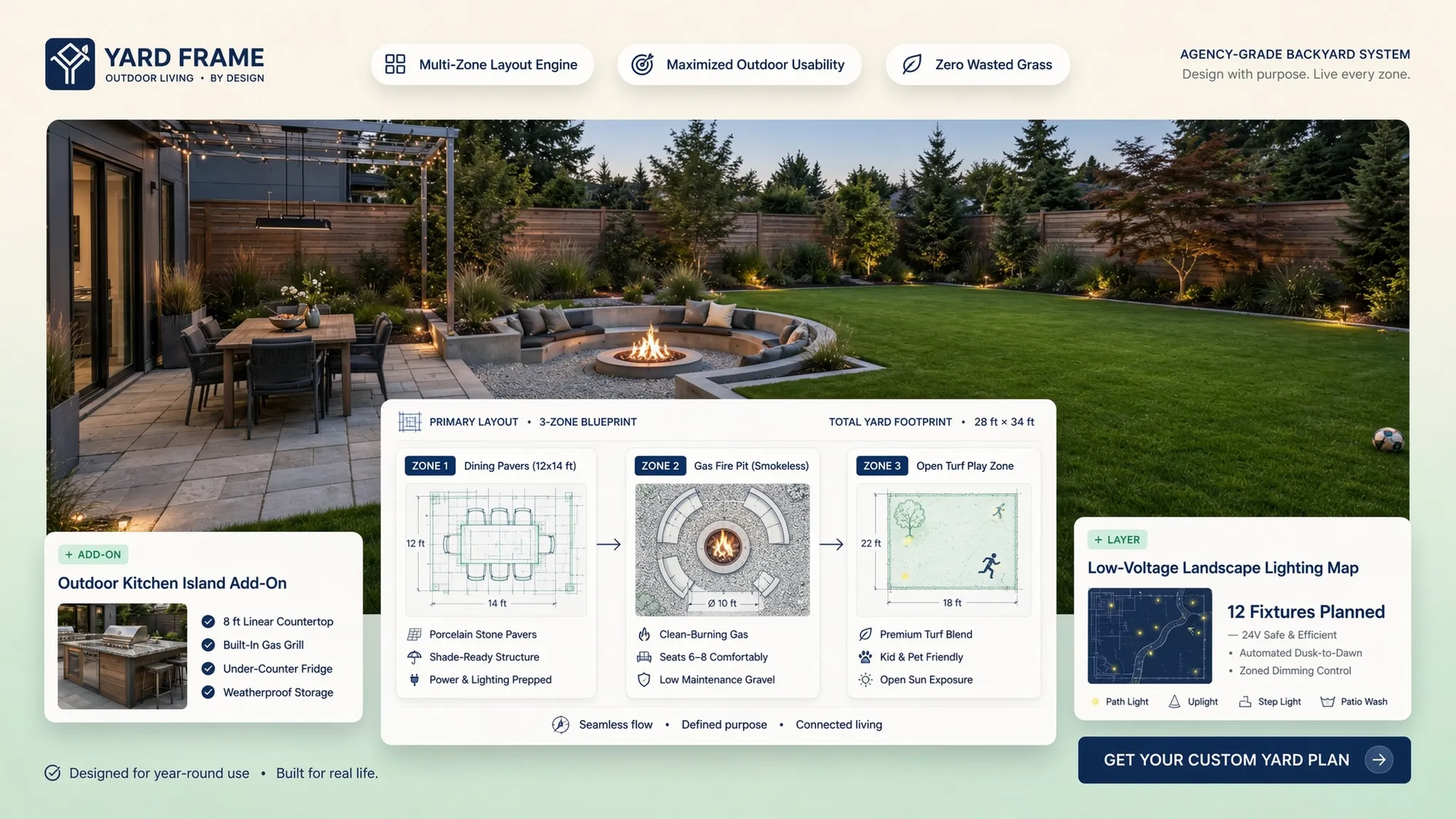
3. Choose Plants That Fit Your Garden's Size and Growing Conditions
Planting a cute baby shrub without checking its mature spread is the fastest way to watch aggressive foliage swallow your patio within two summers.
Selecting well-behaved plants for small gardens and executing thoughtful small garden planting ideas keeps your greenery lush, textured, and proportionate year-round.
• One-season blooms leave bare winter dirt
• Mismatched sun/shade needs cause die-off
• Four-season foliage mixes texture & color
• Hydro-zoned perennials thrive effortlessly
Botanical selection guidelines:
- Check Mature Width Tags Before Buying: Choose dwarf, columnar, or compact cultivars—such as dwarf Japanese maples, sky pencil hollies, or compact hydrangeas—that stay under 3 to 4 feet wide at full maturity.
- Prioritize Foliage Texture Over Short-Lived Flowers: Combine contrasting leaf shapes—like feathery ferns, architectural hostas, and trailing creeping Jenny—so your garden looks vibrant even when flowers aren't blooming.
- Select Multi-Season Performers: Pick perennials that offer spring blossoms, summer greenery, and autumn color or winter structure so your small view outside the window stays captivating all year.
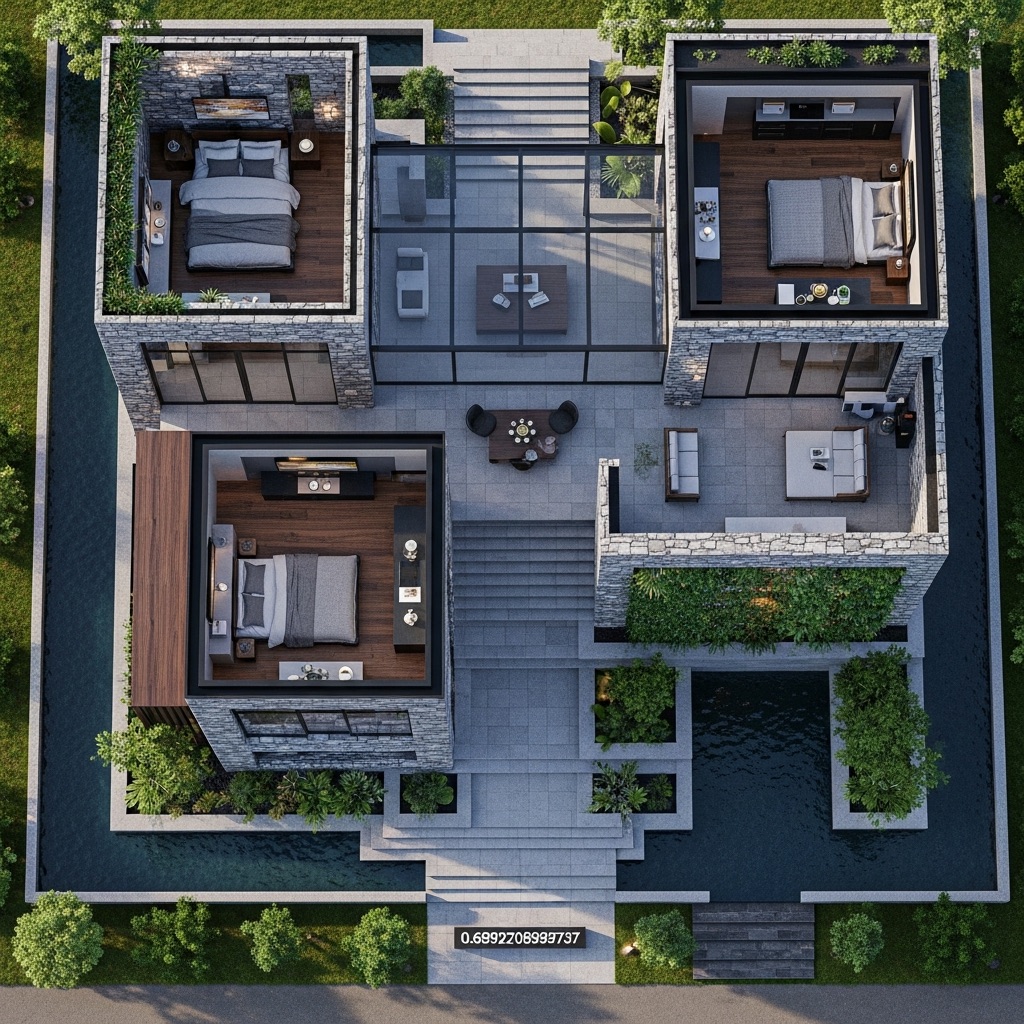
4. Use Vertical Gardening to Grow More Plants in Less Space
When ground space is limited to a narrow courtyard or balcony, looking upward unlocks hundreds of square feet of sunny wall and fence real estate.
Deploying clever vertical garden ideas for small spaces through structured vertical gardening surrounds you with lush greenery without stealing a single inch of floor area.
Vertical growing tactics:
- Train Fragrant Climbers Up Perimeter Fences: Mount a cedar or powder-coated wire trellis 2 inches off your fence to support star jasmine or clematis, softening hard boundary lines with vertical flowers and scent.
- Install Modular Wall Planter Boxes: Hang self-watering vertical pocket planters on a sunny exterior wall right outside your kitchen door for an effortless, waist-high herb garden.
- Use Hanging Baskets at Staggered Heights: Suspend woven or ceramic hanging planters from pergola beams or wall brackets at varying heights to create a layered canopy overhead.
5. Create a Compact Seating Area Without Taking Over the Garden
Dropping a bulky six-piece patio dining set into a tight garden leaves zero room to walk around chairs and turns relaxing outdoors into a tight squeeze.
Designing smart small garden seating ideas with streamlined small garden furniture delivers deep comfort while keeping your courtyard open and airy.
• Heavy rectangular table blocks sightlines
• Zero room left to tend surrounding plants
• Built-in perimeter bench doubles as storage
• Open-frame wire or teak chairs look weightless
Compact seating rules:
- Build a Perimeter Bench With Hidden Storage: Construct a sleek cedar L-shaped bench directly along your garden wall; built-in seating saves up to 24 inches of chair pull-back clearance while hiding cushions and garden tools inside.
- Choose Foldable Bistro Sets With Open Frames: Select a round 28-inch café table paired with slender folding chairs in powder-coated steel or teak; open-slat designs let you see right through the furniture, preserving visual space.
- Use Dual-Purpose Ceramic Garden Stools: Tuck one or two glazed ceramic stools beside your bench to serve as movable side tables for iced drinks or instant extra seats when a friend stops by.
Explore our guide on backyard shade ideas to pair your compact garden seating with wall-mounted awnings and space-saving half-umbrellas.
Stop guessing what will fit in your compact outdoor space. Share your exact yard dimensions, sunlight exposure, and garden goals with DesignHome, and watch it craft customized small garden design ideas in interactive 3D—allowing you to test pathway widths, experiment with vertical green walls, compare cohesive material palettes, and bring your dream garden effortlessly to life.
Design Your Custom Small Garden Layout Today with DesignHome →Preview Your Complete Small Garden Layout Before Buying a Single Plant
Trying to visualize diagonal paving lines, vertical trellis placements, and compact bistro seating inside a tight yard often feels like guesswork—and moving heavy stone pavers or digging up overgrown shrubs later is exhausting.
Switch to Smart Garden Planning →Paper & Tape Measure
- ✕ Hard to redraw paver layouts
- ✕ Inaccurate plant proportions
- ✕ No evening lighting preview
DesignHome Garden Studio
- ✓ Drag pavers to resize patios live
- ✓ Auto-calculated sun & shade zones
- ✓ Instant 3D evening walkthrough
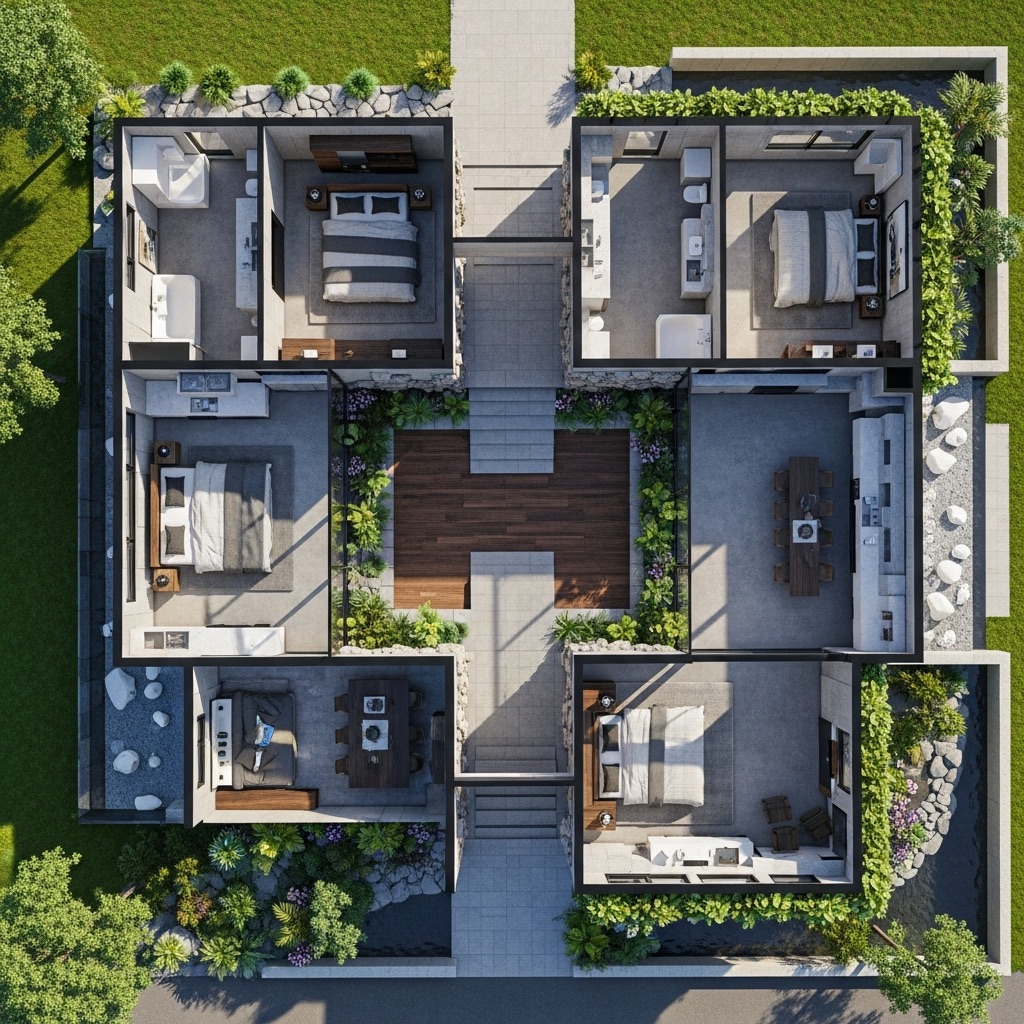
6. Design a Small Garden With Pathways and Clear Walking Space
Stepping awkwardly over tangled groundcover or squeezing sideways past spiky planters makes a compact garden feel cramped and stressful to walk through.
Crafting intentional small garden pathway ideas and structured garden paths for small spaces guides movement smoothly while giving your yard crisp architectural bone structure.
Pathway design guidelines:
- Create a Gentle Curve to Build Mystery: Rather than running a straight concrete sidewalk straight from your door to the back wall, curve a stepping-stone path around a lush planting mound so the entire garden isn't revealed in a single glance.
- Keep Main Walkways at Least 30 Inches Wide: Ensure primary paths between your back door and seating area measure 30 to 36 inches across so you can carry a tray of drinks or push a wheelbarrow without brushing against wet leaves.
- Soften Edges With Low Groundcover: Tuck fragrant creeping thyme or dwarf mondo grass between large-format stone steppers to blur hard masonry lines and create a lush, established look.
7. Use Garden Borders, Raised Beds, and Containers to Organize Planting
Scattering individual plastic pots randomly across your patio floor creates heavy visual clutter and makes sweeping or watering a daily chore.
Implementing crisp small garden border ideas, compact raised garden beds for small spaces, and curated container gardening organizes greenery into clean, intentional zones.
Planting organization tactics:
- Group Containers in Odd-Numbered Clusters: Arrange three pots of varying heights—tall, medium, and low—tightly together in a sunny corner rather than lining single pots up like soldiers along a wall.
- Build Narrow Perimeter Raised Beds: Frame 18-to-24-inch deep raised beds along fence lines using cedar or painted masonry; elevating plants brings delicate blooms closer to eye level while keeping soil neatly contained.
- Install Rigid Metal Bed Edging: Separate planting borders from gravel or paved patios with flexible steel edging strips so mulch and soil never wash onto clean walking surfaces during rainstorms.
8. Add Privacy to a Small Garden Without Making It Feel Closed In
Putting up an eight-foot solid stockade fence around a tiny garden blocks neighbors' views, yet it also cuts off sunlight, traps stagnant air, and makes your yard feel like a dark well.
Applying smart small garden privacy ideas and breathable garden screening ideas shields unwanted sightlines while keeping your garden bright and breezy.
• Emphasizes tight boundary walls
• Reflects harsh heat back onto patio
• Upright bamboo planters soften second-story views
• Arched trellis overhead blocks downward sightlines
Breathable privacy rules:
- Install Horizontal Slatted Cedar Screens: Top an existing low fence with horizontal cedar slats spaced 1/2 inch apart; slatted screens block direct neighbor eye-lines while allowing warm breezes and dappled sunlight to pass through.
- Place Tall Planters Filled With Non-Clumping Bamboo: Position heavy rectangular troughs planted with slender, non-invasive bamboo along exposed patio edges to create a living green curtain that rustles gently in the wind.
- Add a Light Overhead Pergola or Trellis: Span open wooden rafters across your seating nook; overhead beams block downward views from neighboring second-story windows without closing in your side walls.
9. Choose Garden Lighting That Makes a Small Outdoor Space More Inviting
When sunset hits, an unlit small garden vanishes into a black void outside your living room window, shrinking your home's perceived space right when you want to unwind.
Layering warm small garden lighting ideas and subtle outdoor garden lighting turns your compact yard into an enchanting evening jewel box.
Evening illumination guidelines:
- Light the Perimeter Boundaries, Not the Center: Aim low-voltage 2700K spotlights upward at perimeter trees, trellises, and textured walls; lighting the outer edges of a small garden pushes visual boundaries outward after dark.
- Tuck Hidden LED Strips Under Benches and Steps: Mount waterproof warm LED strip lighting beneath the overhanging lip of built-in seating or stone steps to guide footsteps safely while adding a floating architectural glow.
- Connect Lights to a Smart Outdoor Dimmer: Keep evening illumination soft and atmospheric rather than bright like a stadium floodlight, preserving night-sky ambiance and preventing glare through interior windows.
For technical standards on dark-sky compliance, glare reduction, and safe residential outdoor lighting levels, consult the Illuminating Engineering Society (IES).
10. Use Garden Colors and Materials to Create a More Cohesive Look
Mixing red clay pots, gray concrete pavers, white plastic chairs, and bright orange flowers in a small space creates visual noise that makes the garden feel chaotic and cramped.
Applying unified small garden design styles and cohesive small garden landscaping ideas ties every surface and planter together into a calm, gallery-worthy retreat.
Material and color harmony rules:
- Standardize Your Planter Palette: Stick to one or two matching container materials—such as weathered charcoal fiberstone or warm terracotta—so greenery stands out cleanly instead of competing with mismatched pot colors.
- Echo Interior Floor Tones Outside: Match your garden pavers or composite decking closely to your indoor living room flooring; visual continuity across your glass doors makes both spaces feel seamlessly connected.
- Use Cool Blues, Whites, and Silvers at the Back Wall: Plant cool-toned blooms and silvery foliage (like lamb's ear or lavender) along your furthest fence line; cool colors visually recede, making the back boundary feel further away.
For guidance on sustainably sourced outdoor timber, non-toxic wood sealers, and eco-friendly garden furnishings, visit the Sustainable Furnishings Council (SFC).
11. Make a Small Garden Easier to Maintain Throughout the Year
A compact garden should be a relaxing escape where you sip tea and unwind—not a high-maintenance chore list that eats up every sunny weekend.
Implementing low maintenance small garden ideas and an easy small garden design keeps your outdoor sanctuary thriving on autopilot.
• High-maintenance turf grass patch
• Exposed soil sprouting constant weeds
• Permeable gravel & large-format pavers
• 3 inches of organic mulch & dense groundcover
Low-upkeep execution tactics:
- Automate Watering With Micro-Drip Tubing: Run a 1/4-inch drip irrigation line tucked neatly beneath mulch and into container bases, connected to a Wi-Fi spigot timer that waters early in the morning without wasting a drop.
- Mulch Every Exposed Inch of Soil: Spread 2 to 3 inches of dark shredded bark mulch around perimeter plants to lock in root moisture, regulate soil temperature, and block weed seeds from sprouting.
- Choose Permeable Hardscapes Over Tiny Lawn Patches: Replace postage-stamp grass patches that require dragging out a mower with crushed pea gravel or porcelain pavers that sweep clean in two minutes.
Check out our guide on low-maintenance backyard design for drought-tolerant plant pairings and weed-blocking base installations.
12. Bring Your Small Garden Design Together in One Practical Layout
Before ordering pallets of pavers, mounting trellises, or hauling bags of potting soil, combining your pathways, seating footprint, vertical planters, and lighting into one unified plan prevents costly mistakes.
Finalizing cohesive small garden design plans built on a clear small garden layout design ensures every square inch works harmoniously from day one.
Your Small Garden Design Sign-Off Checklist:
For official residential fence height limits, deck railing codes, and outdoor electrical safety standards, consult the International Code Council (ICC).
Turn Your Compact Yard Into a Lush Outdoor Room You Love
A small garden doesn't limit your lifestyle—it simply rewards smart spatial choices. When you lift greenery onto sunny vertical walls, curve a stepping-stone path around cohesive container clusters, tuck a sleek bistro set into a slatted cedar nook, and illuminate the perimeter with warm evening light, even the tiniest yard feels like a private resort retreat.
Which tight-space challenge—crowded walkways, overlooked neighbor sightlines, or figuring out where seating and planters actually fit—is holding back your outdoor space right now? Share your exact garden dimensions with DesignHome, test customized small garden layouts and vertical planting ideas in interactive 3D, and craft an inviting outdoor sanctuary tailored to the way you love to relax.
Frequently Asked Questions About Small Garden Design Ideas
My garden feels like a cramped, cluttered storage corner rather than a relaxing retreat. How do I make a small outdoor space actually feel bigger?
Here is the raw truth: a compact yard feels boxed-in not because it lacks square footage, but because scattered plastic pots and overgrown shrubs chop up the ground plane and stop your eye abruptly at the back fence.
Mastering small garden design ideas comes down to angling paving stones on a 45-degree diagonal to draw your gaze across the longest axis of your lot while keeping central floor areas completely clear. Pushing planting beds to perimeter walls and swapping dozens of tiny pots for three bold statement planters delivers high-impact small garden ideas that make your footprint feel twice its physical size.
Where should everything go so my tiny garden doesn't turn into an overcrowded obstacle course?
Buying plants and outdoor chairs on impulse before measuring sun exposure and doorway swing paths leads to shaded seating corners and blocked walkways.
Developing smart small garden layout ideas starts with tracking hourly sun patterns across your yard so sun-loving herbs sit in bright spots while lounge chairs capture afternoon shade. Protecting a 42-inch clear landing outside your back door and dedicating 60% of your ground area to open hardscape locks in a balanced small garden design layout before you spend a dime.
I want lush greenery everywhere, yet I'm tired of shrubs swallowing my patio. Which plants fit a small garden without taking over?
Planting a small nursery shrub without checking its mature width tag is the fastest way to watch aggressive branches choke your walkways within two summers.
Selecting well-behaved plants for small gardens means choosing dwarf, columnar, or compact cultivars—such as sky pencil hollies, dwarf Japanese maples, and compact hydrangeas—that stay under three feet wide at maturity. Pairing contrasting leaf textures like feathery ferns and architectural hostas creates rich small garden planting ideas that stay crisp, lush, and proportionate all year.
There simply isn't enough ground space for all the flowers and herbs I want to grow. How do I expand my planting area?
When your courtyard floor is maxed out, looking upward reveals hundreds of square feet of sunny fence and exterior wall real estate sitting completely unused.
Deploying clever vertical garden ideas for small spaces lets you mount cedar diamond trellises two inches off boundary fences for fragrant star jasmine and climbing clematis. Hanging self-watering pocket planters right outside your kitchen door maximizes vertical gardening so you harvest fresh herbs at waist height without losing a single inch of patio floor.
I would love a comfortable spot to sit outside with my morning coffee, but a full patio set won't fit. What seating works best?
Dropping a bulky six-piece dining set into a compact courtyard leaves zero room to pull out chairs or walk past the table.
Designing smart small garden seating ideas relies on building a sleek cedar L-shaped perimeter bench directly against your garden wall, saving two feet of chair pull-back clearance while hiding cushions inside. Pairing that built-in bench with a folding 28-inch bistro table and open-frame steel chairs gives you weightless small garden furniture that keeps sightlines wide open.
I hate stepping awkwardly around planters and squeezing sideways past chairs. How do I design clean walking paths in a tight yard?
Stepping over tangled groundcover or brushing against wet leaves makes walking through a small garden feel frustrating and cramped.
Crafting intentional small garden pathway ideas requires keeping main walkways at least 30 to 36 inches wide so you can carry a tray of drinks effortlessly from your back door to your seating nook. Curving large flagstone steppers gently around a central planting mound—tucked with fragrant creeping thyme between joints—creates structured garden paths for small spaces that add depth and mystery.
My potted plants look scattered everywhere, and I can't get the garden to feel neat. How do I organize planting zones?
Lining individual plastic pots up like soldiers along patio edges creates heavy visual clutter and turns daily watering into an endless chore.
Implementing crisp small garden border ideas means grouping ceramic planters in tight, odd-numbered clusters of varying heights at sunny corners. Framing slim 18-inch deep raised garden beds for small spaces along fence lines and separating gravel from soil with rigid Corten steel edging elevates your container gardening into a clean, architectural feature.
My yard is completely overlooked by neighbors, yet putting up an eight-foot solid fence would turn my garden into a dark box. How do I add privacy?
Solid tall walls block neighbor views, yet they also cast heavy midday shadows, trap stagnant air, and make a small courtyard feel like a deep well.
Applying breathable small garden privacy ideas works best when you top existing low fences with horizontal cedar slats spaced half an inch apart to filter breezes and dappled light. Positioning heavy troughs filled with slender, non-clumping bamboo along exposed patio edges delivers living garden screening ideas that shield second-story sightlines without closing in your space.
The garden looks great in the afternoon, but it vanishes into a pitch-black void right outside my window at night. How do I light it?
When dusk falls, an unlit yard turns your sliding glass doors into dark mirrors and shrinks your home's perceived living space right when you want to unwind.
Layering warm small garden lighting ideas pushes your visual boundaries outward after dark by aiming low-voltage 2700K brass spotlights upward at perimeter trees and textured trellises. Tucking hidden waterproof LED strips beneath built-in bench lips and hanging dimmable café festoons overhead elevates outdoor garden lighting into an inviting evening jewel box.
I have different pots, paving stones, and chairs that don't seem to match at all. How do I tie everything together into one cohesive style?
Mixing red clay pots, gray concrete slabs, white plastic seating, and clashing bright blooms creates chaotic visual noise in a compact footprint.
Applying unified small garden design styles starts with limiting your hardscape and planter finishes to two complementary tones—such as weathered charcoal fiberstone and warm natural cedar. Repeating your indoor living room floor tones on exterior pavers and planting cool blues and silvery foliage along your back fence harmonizes small garden landscaping ideas so the rear boundary visually recedes.
I want a gorgeous garden outside my window, yet I don't have hours every weekend to prune, weed, and water. How do I keep upkeep effortless?
A small garden should be a restorative sanctuary where you relax with a book—not a demanding chore list that steals your sunny weekends.
Implementing low maintenance small garden ideas comes down to running automated 1/4-inch micro-drip irrigation tubing beneath mulch on a smart Wi-Fi timer so roots stay hydrated automatically. Replacing high-upkeep grass patches with permeable pea gravel and spreading three inches of shredded bark mulch over bare soil creates an easy small garden design that blocks weeds and sweeps clean in minutes.
How can I bring paths, vertical planters, seating, privacy screens, and lighting together into one practical garden layout before spending money?
Trying to calculate diagonal paver angles, mature shrub widths, and bistro seating clearances on paper often leads to overcrowded beds and costly layout regrets.
Using DesignHome™ Synthesis Spatial Engine, you can stream your exact yard dimensions and sunlight patterns into an interactive 3D canvas, test multiple small garden design plans—from slatted cedar privacy screens and vertical herb walls to perimeter bench seating—verify 30-inch walking clearances, and preview a cohesive small garden layout design tailored specifically to your outdoor lifestyle


