

You finish vacuuming the carpet, fluff the sofa cushions, wipe down the coffee table, and step back to enjoy your hard work. But instead of feeling relaxed, your stomach tightens.
The room is clean, yet it still feels chaotic, chaotic, and uninviting.
You don't have a cleanliness problem—you have a visual noise problem.
When a living room is packed with scattered remotes, exposed tangle of wires, competing throw pillows, and overcrowded coffee tables, your brain processes every single item as a open task. You don't need to throw away all your prized possessions or live in a sterile white box to fix this. By organizing around real daily routines, editing high-contact surfaces, and choosing smart hidden storage, you can turn a busy living space into a serene, effortless sanctuary. Here is how to declutter your living room and keep it organized for good.
1. Why Does My Living Room Look Cluttered Even After I Clean It?
To fix a room that constantly feels chaotic, you must first understand the difference between physical dirt and visual clutter.
A room can be completely free of dust and floor crumbs, but if your eyes have to process fifty small, unrelated objects at once, your mind registers the space as messy.
- Pet hair on sofa fabric
- Crumbs under seat cushions
- Smudged glass surfaces
- Overcrowded open bookshelf displays
- High-contrast competing throw pillow prints
- Unorganized paper stacks & mail piles
Identify the true culprits behind visual noise:
- Surface Crowding: Leaving daily items—like mail, glasses, keys, and coffee mugs—resting permanently on flat surfaces instead of putting them inside closed drawers.
- Competing Visual Patterns: Combining too many high-contrast throw pillow prints, multi-colored rugs, and varied wood tones in a single seating zone.
- Exposed Cable Tangles: Letting black power cords, extension strips, and gaming cables hang visibly beneath TV consoles and side tables.
2. Clear the Surfaces You Notice First When You Walk Into the Room
The human brain forms its impression of a room within three seconds of entering through the doorway. When the high-visibility "hero surfaces" in your line of sight are cluttered, the whole room feels overwhelmed.
Prioritize decluttering these key sightline surfaces first to get an immediate feeling of calm and progress:
[ Entry Sightline ] ===> 1. Main Coffee Table Center
                         2. TV Media Console Top
                         3. Sofa Side Tables & Lamps
                         4. Open Window Sill Surfaces
Execute a high-impact surface edit:
- Apply the "Rule of Three" on Coffee Tables: Clear everything off your main coffee table. Replace the clutter with a maximum of three curated items—such as a low ceramic bowl, a single hardbound book, and a small potted plant.
- Keep TV Consoles Bare: Remove loose game controllers, DVD cases, and stray paper stacks from the top of your TV media unit. Let the surface stay empty except for the screen or a sleek soundbar.
- Clear Side Tables for Daily Use: A sofa side table should serve one primary purpose: holding a warm lamp and a guest's drink. Remove extra knick-knacks so the surface remains functional.
3. Give Remotes, Chargers, Blankets and Everyday Items a Permanent Home
The main reason daily items pile up on sofas and tables is simple: putting them away takes too much physical effort.
If storing a TV remote requires walking across the room, opening a high cabinet, and pushing past other items, your family will inevitably toss the remote onto the couch cushion instead. To build lasting tidiness, create point-of-use storage that requires just a single step.
Build low-friction storage habits:
- Set Out a Dedicated Remote Tray: Place a small leather or felt tray on your coffee table or side console. Remotes stay contained in one spot without looking messy.
- Add a Sofa Blanket Basket: Keep a wide, open woven basket right next to your couch. At the end of the evening, toss throw blankets straight into the basket without worrying about perfect folding.
- Incorporate Lift-Top Storage Ottomans: Swap out traditional wooden tables for a plush, upholstered lift-top storage ottoman to hide extra pillows, games, and toys out of sight.
4. Reduce Decorative Clutter Without Making the Room Feel Empty
Many homeowners fall into the trap of over-decorating—filling every inch of open wall space, tabletop, and corner with small souvenirs, candle holders, and picture frames.
When dozens of small accent pieces compete for attention, none of them stand out. Editing your decor isn't about creating a sterile waiting room; it's about giving your favorite pieces the spotlight they deserve.
[ 12 Small Photo Frames ]
[ Scattered Tealight Candles ]
[ 8 Differently Patterned Pillows ]
+---------------------------+
|  1 Oversized Framed Art   |
+---------------------------+
[ 2 Cohesive Velvet Pillows ]
Try these selective editing techniques:
- Group Items in Odd Numbers: Instead of scattering small vases across a room, group three items of varying heights together on a single tray to form a unified composition.
- Cap Throw Pillows at Four: Limit your sofa pillows to two matching pairs (or a maximum of four). Too many pillows take up actual seating space and make the couch look overcrowded.
- Rotate Decor Seasonally: Store half of your decorative objects in a closet and swap them out twice a year. This keeps your home feeling fresh without cluttering your surfaces.
For expert advice on balancing room proportions and styling decorative accents, consult the American Society of Interior Designers (ASID).
5. Make Open Shelves Look Collected Instead of Crowded
Open built-in shelves and bookcases can be an architectural dream, but without intentional styling, they quickly turn into dust-collecting clutter traps.
To organize living room shelves without making them look like an overcrowded warehouse, follow the 60/40 visual balance rule.
Master shelf styling:
- Vary Book Placement: Stack some hardbound books vertically with decorative bookends, and lay others horizontally to act as elevated pedestals for small ceramic art.
- Leave Open Negative Space: Never jam books edge-to-edge on every single shelf line. Leaving open space on the sides lets the displayed items breathe.
- Hide Necessities in Matching Bins: Reserve the lowest shelves for woven baskets or fabric bins to hide board games, video game controllers, and extra wires out of view.
6. Hide the Small Things That Create a Constant Mess
Nothing ruins a beautiful living room faster than a tangled nest of black power cords, power strips, and charger cables trailing across your floorboards beneath the TV.
Hiding electronic clutter instantly makes a space feel sleeker, cleaner, and more expensive.
[ TV Console & Wall ]
          |
          +---> Run Wires inside Paintable Wall Cable Channels
          +---> Tuck Power Strips inside a Ventilated Cable Management Box
          +---> Strap Loose Cords behind TV Legs using Velcro Cable Ties
Low-cost cable management steps:
- Install Paintable Cable Channels: Mount plastic wall cable raceways to cover exposed wires leading up to wall-mounted TVs, and paint the channel the exact same shade as your wall paint.
- Use a Cable Management Box: Hide bulky power strips, surge protectors, and extra cord slack inside a ventilated, box placed behind your media console.
- Strap Cords to Furniture Legs: Use black velcro cable ties to secure lamp cords tightly along the back of slender metal floor lamp poles or wooden table legs.
7. Stop Storage Baskets From Becoming More Clutter
Storage baskets, decorative bins, and storage trunks are fantastic tools for keeping a living room organized—until they become dumping grounds for random household junk you forgot you owned.
Buying containers before sorting your belongings simply creates "organized clutter."
How to choose effective living room storage solutions:
- Assign One Category per Basket: Label or designate each container for a specific purpose (e.g., Basket A = Kid's Block Toys, Basket B = Dog Fetch Toys, Basket C = Wool Throw Blankets). Never mix categories.
- Match Storage to Household Access: Use soft, open fabric bins at floor level for toddler toys so children can safely clean up after themselves. Use closed wood or metal boxes for fragile adult items.
- Audit Containers Quarterly: Every three months, empty your storage baskets, discard broken items, and donate toys or books your family has outgrown.
8. Make Furniture and Decor Work Together Instead of Competing
Overcrowding a room with too many small accent chairs, multiple side tables, plant stands, and footstools restricts floor movement and makes the space feel claustrophobic.
Streamlining your furniture arrangement is about removing redundant pieces so primary seating can shine.
- 2 Large Bulky Recliners
- 4 Individual End Tables
- 3 Plant Stands
- 2 Floor Poufs
- 2 Slender Open-Frame Accent Chairs
- 1 Central Oval Coffee Table
- 2 Slide-Under Nesting Side Tables
- Clear 36-Inch Walking Corridors
Streamline your seating area:
- Replace Bulky Recliners with Open-Frame Chairs: Swap heavy, skirted recliners for leggy mid-century or metal-frame accent chairs that reveal open floorboards underneath.
- Use Nesting Side Tables: Swap out separate side tables for a set of nesting tables that expand when hosting guests and stack away during daily life.
- Maintain Clear Walking Pathways: Ensure primary walkways between doorways, seating, and the kitchen remain at least 30 to 36 inches wide without hitting furniture corners.
If you are rearranging seating around entryways, explore our comprehensive guide on balancing open walking paths with cozy functional zones to keep traffic flowing smoothly.

9. Use Colour and Pattern to Create a Quieter Visual Picture
Visual clutter isn't created by physical objects alone—it is also caused by conflicting color palettes, mismatched pattern scales, and harsh contrast.
When your area rug, sofa upholstery, curtains, throw pillows, and wall art all feature different bold patterns, your eyes have nowhere to rest.
Create visual cohesion:
- Stick to the 60-30-10 Color Rule: Use a neutral base shade for 60% of the room (walls and rug), a secondary tone for 30% (sofa and drapes), and an accent shade for 10% (pillows, art, and ceramic decor).
- Match Wood Tones: Keep major wood furniture pieces—such as your coffee table, TV console, and sideboards—within the same general color family (e.g., all warm oak or all rich walnut).
- Choose Solid Sheer Drapes: Replace heavy, patterned window treatments with simple, floor-length sheer linen drapes to soften sunlight and quiet surrounding walls.
If you are picking paint colors for compact layouts, read our guide on pairing light-reflecting wall tones with space-saving furniture layouts to keep tight rooms feeling open.
10. Make a Cluttered Living Room Feel Better Without Buying New Furniture
You don't need to spend thousands of dollars on new furniture, custom built-ins, or designer organizers to get a messy living room under control.
Executing a systematic, zero-cost "no-buy" editing pass can transform your room in a single afternoon using items you already own.
  [ Step 1: The Out-of-Place Sweep (Remove items belonging elsewhere) ]
                                 |
  [ Step 2: The Hero Surface Clear (Strip coffee table & TV console) ]
                                 |
  [ Step 3: The Textile Edit (Reduce pillows to 4; fold 1 throw) ]
                                 |
  [ Step 4: The Hidden Box Reset (Conceal remotes & cords out of sight) ]
Run this 4-step zero-cost declutter sequence:
- Perform the "Basket Sweep": Walk through the room with a laundry basket and collect every item that belongs in a different room (such as dishes, shoes, junk mail, and kids' homework). Take them directly to their proper locations.
- Strip the Coffee Table Completely: Remove everything off your coffee table. Wipe down the surface, then put back only two functional items.
- Consolidate Pillow and Throw Blankets: Store half of your throw pillows inside a bedroom closet, and neatly roll your primary blanket into a single corner basket.
- Hide Loose Remotes in a Box: Find a small decorative gift box or ceramic dish on a bookshelf and tuck remotes, reading glasses, and coasters inside.
11. Keep Family Life From Taking Over the Living Room
A living room should serve as a comfortable, shared family space—not a chaotic playroom or an neglected storage zone.
Building simple, repeatable end-of-day habits prevents toys, pet supplies, and work-from-home paperwork from completely overtaking your living area overnight.
[ Active Daytime Use ] ===> Kids play, WFH desk active, pets lounging
                                       |
                       ( 5-Minute Evening Reset Routine )
                                       |
[ Relaxing Evening Haven ] ===> Toys in ottomans, WFH laptop away, clear tables
Design realistic family organization systems:
- Establish a "5-Minute Evening Reset": Right before turning off the lights for bed, spend five minutes as a family resetting the living room. Put toys into lower ottomans, take glasses to the kitchen, and align couch cushions.
- Incorporate "Hideaway" Workstation Gear: If you work from home at your living room table, use a closed laptop bag or a felt caddy to tuck away laptops, power adapters, and notebooks at 5:00 PM every day.
- Set Up Kid-Friendly Toy Boundaries: Limit living room toys to whatever fits inside a single storage bench. Once the bench is full, extra toys must be rotated back to kids' bedrooms.
12. Test Your Living Room Before Buying More Storage or Replacing Furniture
Before rushing out to buy extra storage cabinets, large area rugs, or new sofas, take time to evaluate your room's visual setup objectively.
A simple visual test prevents you from spending money on storage furniture you don't actually need.
  [ Step 1: Stand at Doorway & Take an Eye-Level Room Photo ]
                                 |
  [ Step 2: Identify High-Noise Zones (Cables, Tables, Shelves) ]
                                 |
  [ Step 3: Remove 3 Unnecessary Accent Items from the Room ]
                                 |
  [ Step 4: Preview Digital Storage / Layout Options ]
Follow this visual testing process:
- Take a "Fresh Eye" Doorway Photo: Stand at your primary entryway door and snap a picture of the room on your phone. Looking at a 2D photograph instantly highlights visual clutter, crooked frames, and crowded corners that your eyes naturally filter out.
- Run the "Subtraction Test": Pick three decorative accent items or small furniture pieces and move them into a closet for 48 hours. Notice how much calmer the room feels without them.
- Preview Layout Changes Digitally: Test layout ideas, storage furniture placements, and wall colors virtually before making physical furniture purchases or ordering custom cabinets.

Step Into Your Clean, Organized Living Room Today
Ready to stop feeling stressed by living room clutter and build a serene, effortlessly organized space that truly works for your family?
When you are trying to figure out how to organize a cluttered room, guessing whether a new storage console, a different furniture arrangement, or a new color scheme will fit can feel overwhelming. A single miscalculated purchase can leave your home feeling even more crowded.
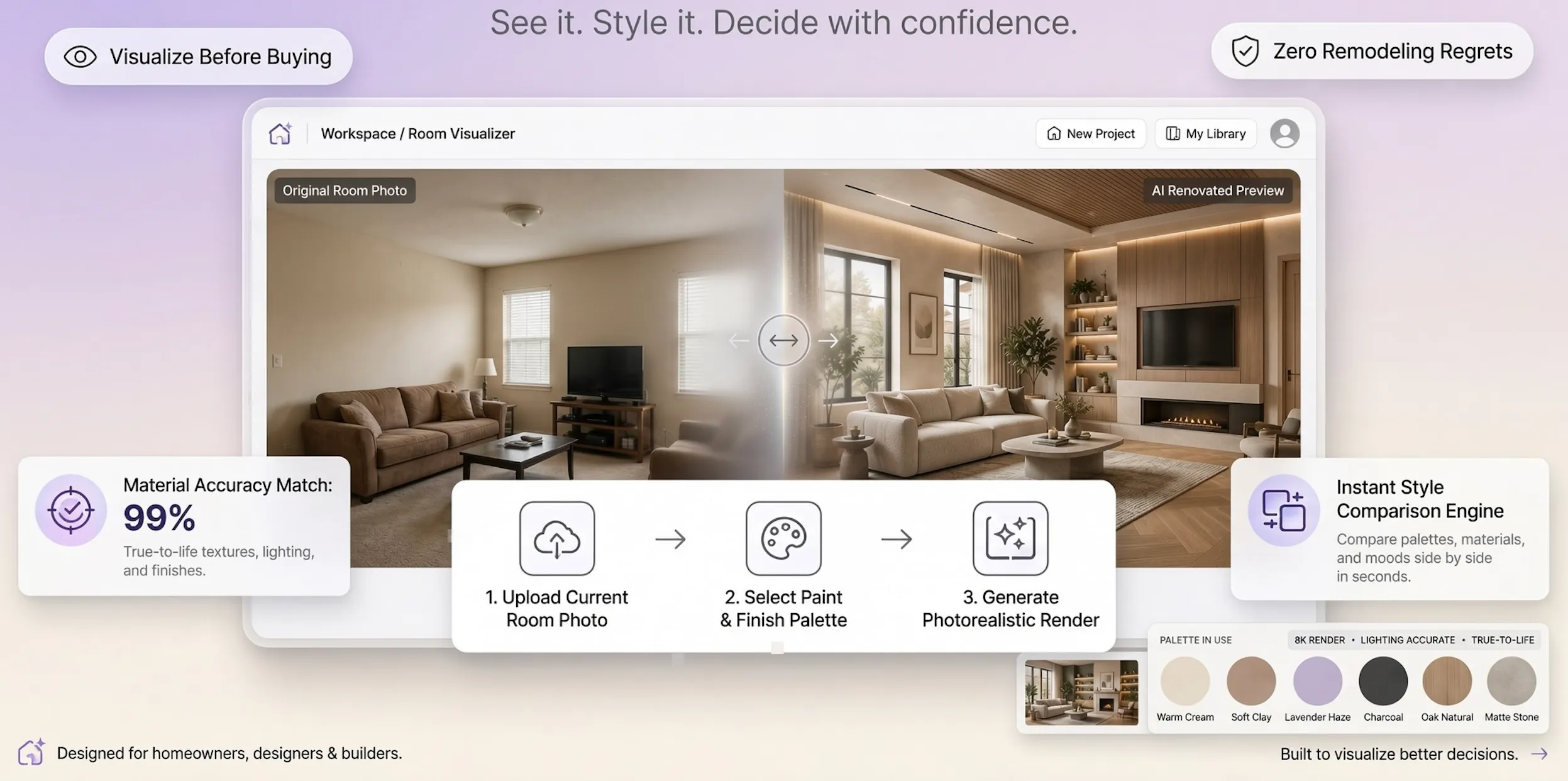
With DesignHome, you don't need to learn complicated CAD software or deal with steep technical learning curves. You can simply upload a picture or floor plan of your room to test layout ideas, experiment with hidden storage furniture, compare color palettes, and unlock custom spatial possibilities tailored to your exact floor plan.
Eliminate visual clutter—visualize and refine your dream living room vision with total design confidence before spending a single dollar.
External Resources & Industry Standards
To explore deeper insights into home organization, textile care, and building safety standards, consult these authoritative industry resources:
- American Society of Interior Designers (ASID) – Professional standards for residential space planning, ergonomic furniture layouts, and visual organization.
- Furniture Industry Research Association (FIRA) – Comprehensive standards for furniture durability, storage safety, and upholstery care.
- National Fire Protection Association (NFPA) – Residential electrical safety standards, cord management safety, and outlet overload prevention.
- Paint Quality Institute – Expert advice on selecting wall paint sheens, washable finishes, and light-reflecting neutrals.
Frequently Asked Questions About Living Room Decluttering
Why does my living room look messy even when it's completely clean?
Your room likely suffers from visual clutter. Having too many small decorative items on tables, exposed black TV cables, high-contrast competing pillow patterns, crowded open bookshelves, and visible daily clutter (like mail and remotes) creates visual noise that your brain interprets as messiness.
What are the most important surfaces to declutter in a living room?
Focus on the surfaces in your immediate line of sight when walking through the doorway: the main coffee table, the top of the TV console, and sofa side tables. Clearing these high-visibility areas provides an instant feeling of order across the whole room.
How do I stop TV cords and cables from making my room look cluttered?
Install paintable plastic cable raceways to cover wires running down walls, tuck power strips inside a ventilated cable management box behind your console, and use black velcro cable ties to strap loose cords along the back of table or TV legs.
What is the best way to hide toys in a main living room?
Use multi-functional furniture like upholstered storage ottomans, window benches with deep drawers, or low cubby units fitted with solid fabric or woven baskets. Enforce a "one-bin rule" where living room toys are limited to what fits inside the designated storage bench.
How do I declutter open bookshelves without making them look empty?
Follow the 60/40 rule: fill 60% of shelf space with a mix of vertical books, horizontal book stacks, and ceramic art, and leave 40% of shelf space completely open as negative breathing space. Reserve the lowest shelves for closed baskets to hide necessities.
How can I test if my living room has too much furniture?
Take an eye-level photo of your living room from the main doorway. Looking at a 2D photograph makes visual crowding immediately obvious. Remove two small accent pieces (like extra side tables or floor poufs) for 48 hours and see if floor traffic and spatial feel improve.


