

Pulling into your driveway at the end of the day should spark a quiet sense of pride and personal fulfillment. Your home’s exterior is more than just siding and rooflines—it is the public face of your daily lifestyle, shaping how guests feel when they arrive and setting the atmosphere for your entire property. Yet, transforming a flat, dated, or mismatched facade often feels overwhelming.
Most homeowners hesitate to make exterior changes because balancing material textures, porch proportions, and rooflines requires a steep learning curve. Historically, hiring an architect or high-end rendering studio to map out new front elevation concepts cost upwards of $10,000 in professional design fees, leaving people to rely on small paint swatches and hope for the best.
By breaking your front elevation into distinct visual zones, you can make targeted improvements that elevate your home's street presence and overall value. Whether you plan to buy a custom entry door online or rework your front walkway, strategic design principles ensure your renovation delivers immediate visual impact.
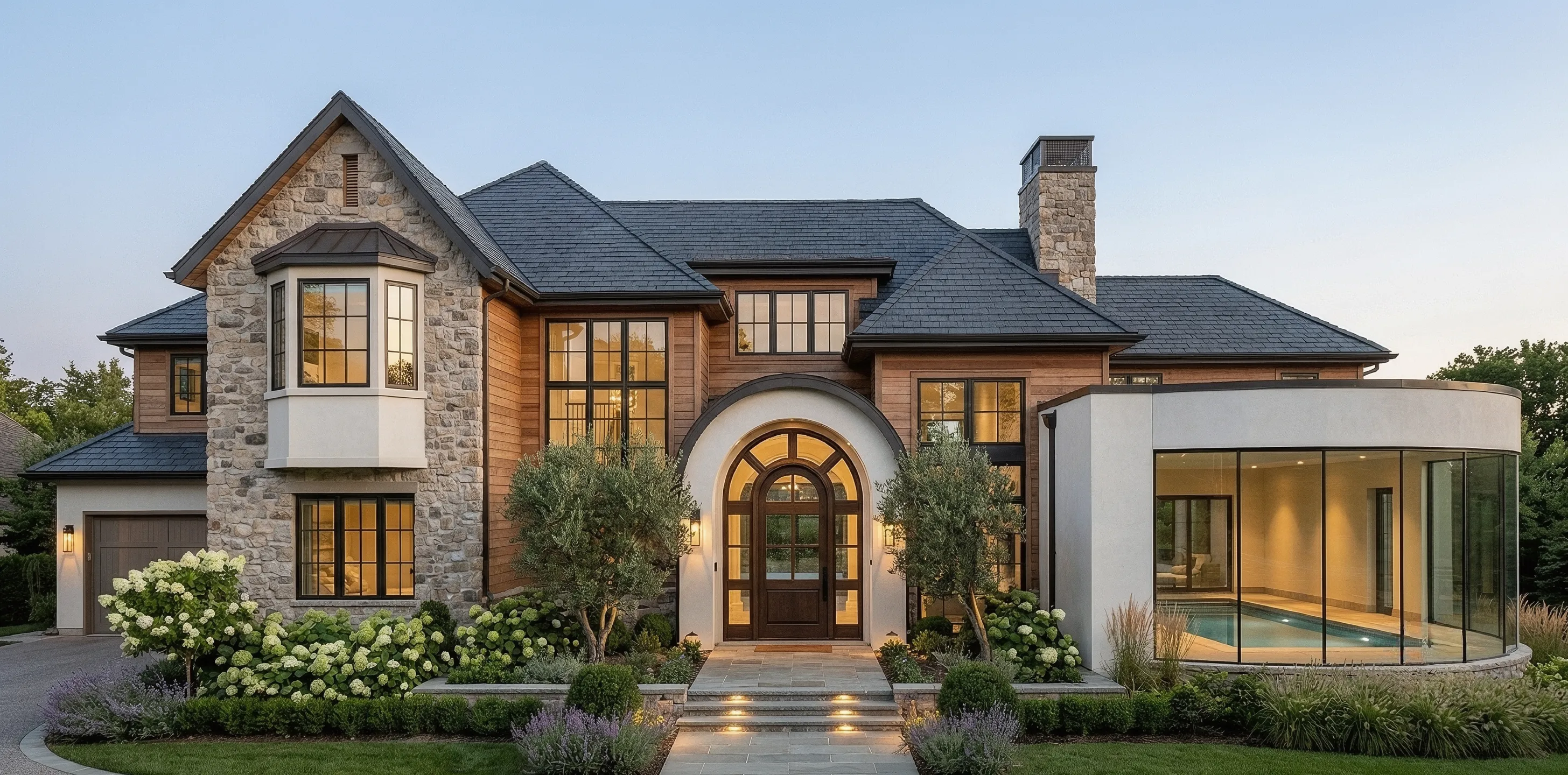
Find What Makes Your House Front Look Plain
Before spending money on new materials, diagnose the specific design bottlenecks that flatten your facade. A house front usually looks plain when it lacks architectural depth, functional contrast, or a clear visual focal point.
Look for these structural weaknesses across your front elevation:
- Washed-Out Color Surfaces: Siding, trim, and garage doors painted in identical pale tones bleed together, stripping the building of shadow lines and structure.
- Sunken or Hidden Entrance: An front door set deep under an dark overhang without distinct lighting or accent trim feels uninviting.
- Disproportioned Trims: Thin 2-inch window casing and undersized roof eaves make large wall expanses look top-heavy or unfinished.
- Exposed Utility Equipment: Visible electric meters, HVAC units, gutters, and hose reels distract directly from architectural features.
Identifying these visual gaps allows you to focus your budget where it makes the biggest difference, rather than replacing elements that are already working.
Give the Front Door More Attention
The human eye naturally searches for an anchor point when viewing a home. According to Gestalt design principles, if your entrance is obscured or visually weak, the rest of the facade feels disconnected.
Ways to make your entrance a commanding focal point:
- Introduce High-Contrast Color: If your exterior is dominated by cool gray or off-white siding, paint your front door in a deep navy, rich forest green, walnut wood stain, or bold terracotta.
- Expand the Trim Casing: Surround the door frame with 5-to-7-inch architectural millwork or stone headers to give the entryway vertical weight.
- Add an Overhead Structure: Installing a timber-framed gabled portico, a sleek steel overhang, or decorative brackets creates shelter while adding physical depth to a flat wall.
Upgrading your entry hardware by deciding to order solid wood front doors with modern long-bar handles instantly elevates the entire front porch experience.
Refresh the Front Exterior Colors
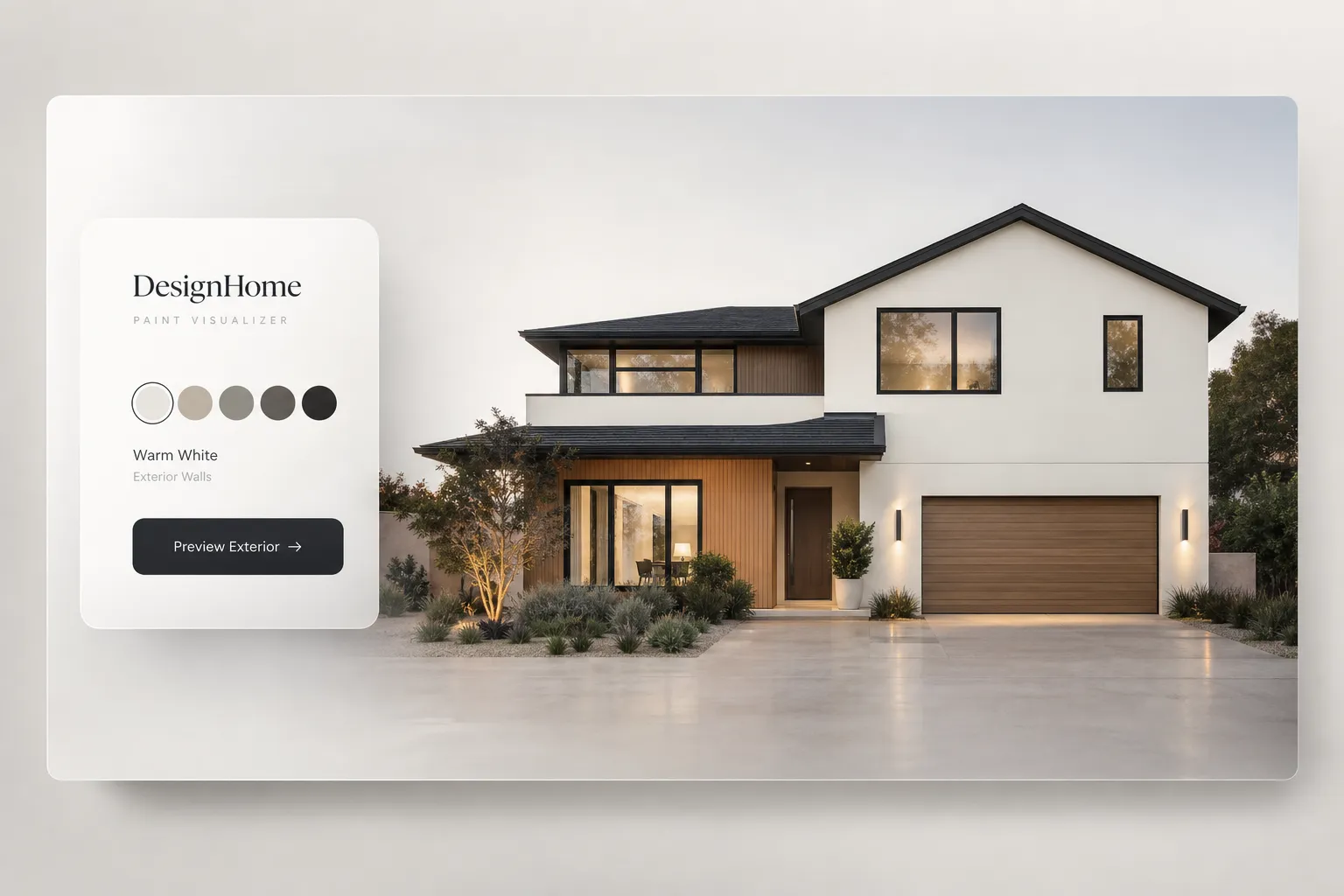
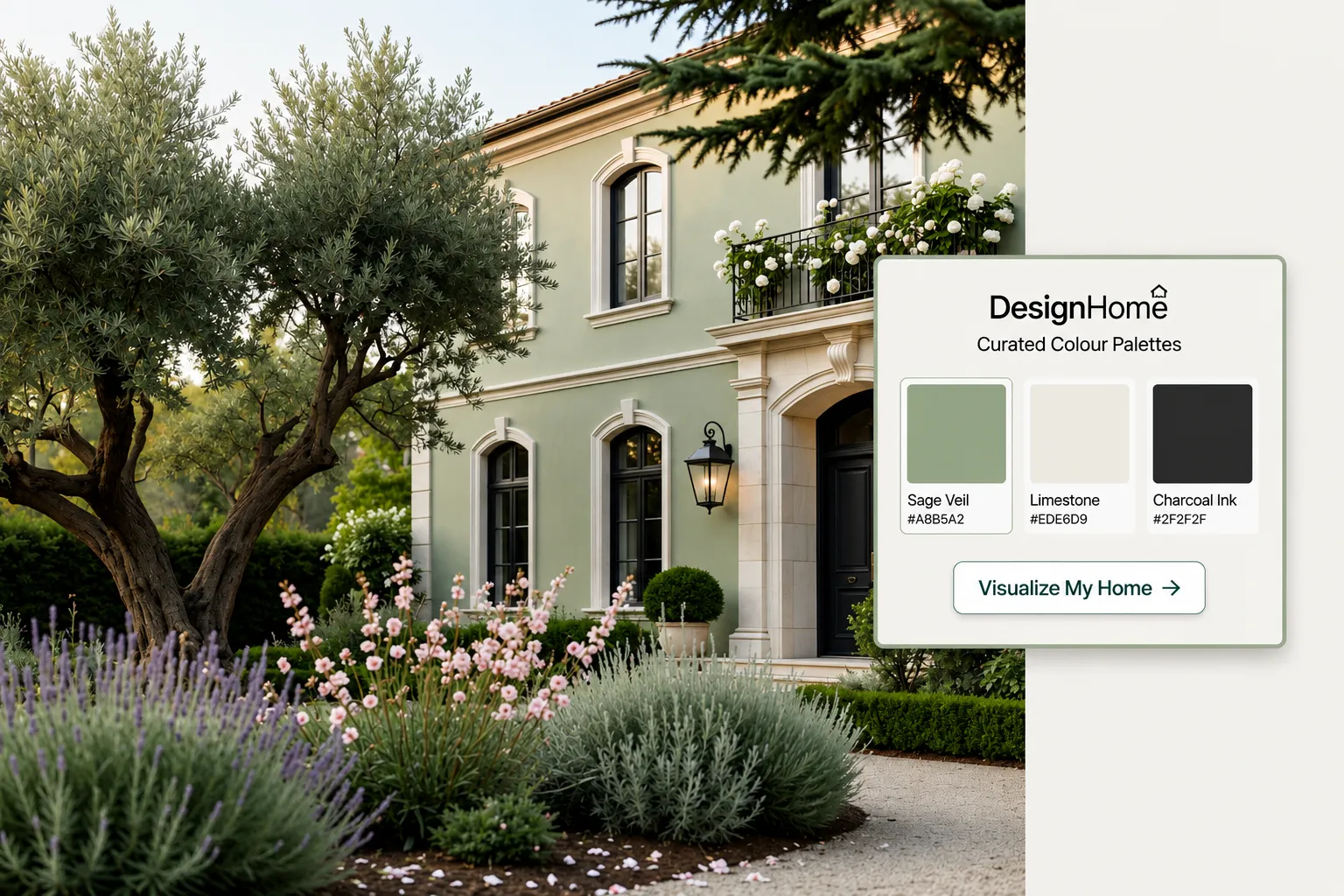
Color dictates how the scale and form of your home are perceived from the street. Applying a thoughtful color distribution rule ensures your home looks modern without clashing with neighboring properties.
| The 60-30-10 Exterior Color Balance | Coverage Area | Material Options |
|---|---|---|
| Primary Base Tone (60%) | Main body walls & dominant siding | Smooth acrylic stucco, fiber cement lap siding, painted brick |
| Secondary Trim Tone (30%) | Roof eaves, window casings, garage doors, columns | Dark bronze, charcoal, warm cream, or crisp white trim |
| Accent Tone (10%) | Front door, decorative shutters, portico timber accents | Natural cedar stains, bold matte paint finishes, brushed metals |
Combining smooth masonry with warm vertical wood cladding or dark stone bases adds tactile variety that absorbs light differently throughout the day. Reviewing a tool to calculate exterior paint costs early in your planning helps keep material and labor budgets balanced.
Improve the Windows and Their Surroundings
Windows act as the structural "eyes" of your front elevation. Bare window frames set flush against siding make a home look industrial or incomplete.
Enhancements that add depth to exterior windows:
- Thicker Casing & Sills: Adding projecting sill trim and wider top headers creates rich shadow lines that highlight window placement.
- Architectural Grid Patterns: Replacing plain single-pane glass with black-framed, panel mullions introduces subtle geometric detail.
- Proportional Exterior Shutters: If adding louvers or board-and-batten shutters, ensure each shutter matches exactly half the width of the window glass so they appear functionally real.
Deciding to buy architectural window trim systems gives flat glass surfaces a custom built-in appearance without requiring full window replacements.
Add Lighting That Makes the Front Stand Out at Night
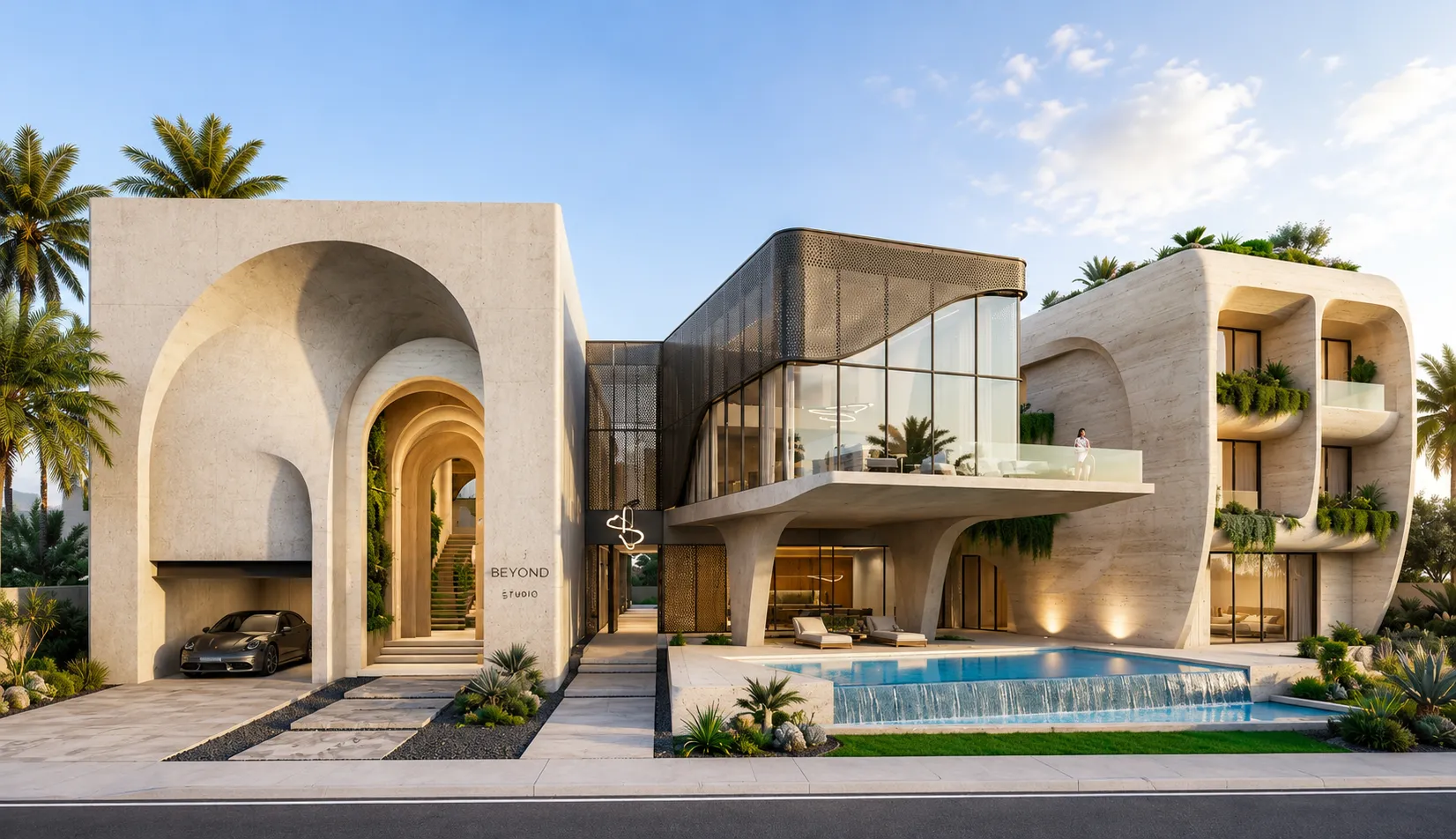
A facade that looks welcoming at noon can completely disappear or look harsh after sunset without layered exterior lighting. Proper night lighting relies on warm, indirect illumination rather than a single glaring bulb.
Essential exterior lighting layers:
- Entry Sconces: Position eye-level wall lanterns on both sides of the front door. Select fixtures sized at roughly 1/4 to 1/5 the height of the door opening.
- Facade & Tree Up-Lighting: Hide ground-mounted LED spotlights behind foundation shrubs to cast soft light up stone pillars, gables, or specimen trees.
- Low-Profile Path Lights: Stagger low-voltage fixtures along garden borders and walkways to guide visitors safely without creating a harsh landing-strip look.
Choosing to buy outdoor LED wall sconces rated between 2700K and 3000K creates an inviting evening glow that brings out the warmth in your exterior masonry.
Make the Driveway and Walkway Look More Finished
The approach to your home sets the tone before guests ever reach your porch. Narrow, cracked concrete paths make even an expensive home look neglected.
Upgrading your arrival experience:
- Widen Walkway Footprints: Expand narrow 30-inch concrete pathways to a generous 48-to-60-inch walkway made of natural stone, clay brick, or concrete pavers, allowing two people to walk side-by-side.
- Add Perimeter Borders: Frame an existing asphalt or poured concrete driveway with a soldier-course border of contrasting dark granite or stone pavers.
- Incorporate Soft Curve Transitions: Sweeping gently curved walkways around low garden beds creates a relaxed journey toward the entrance.
Looking to hire hardscape paver contractors ensures proper sub-base excavation, drainage slopes, and long-term surface stability.
Use Plants and Landscaping to Soften the Front
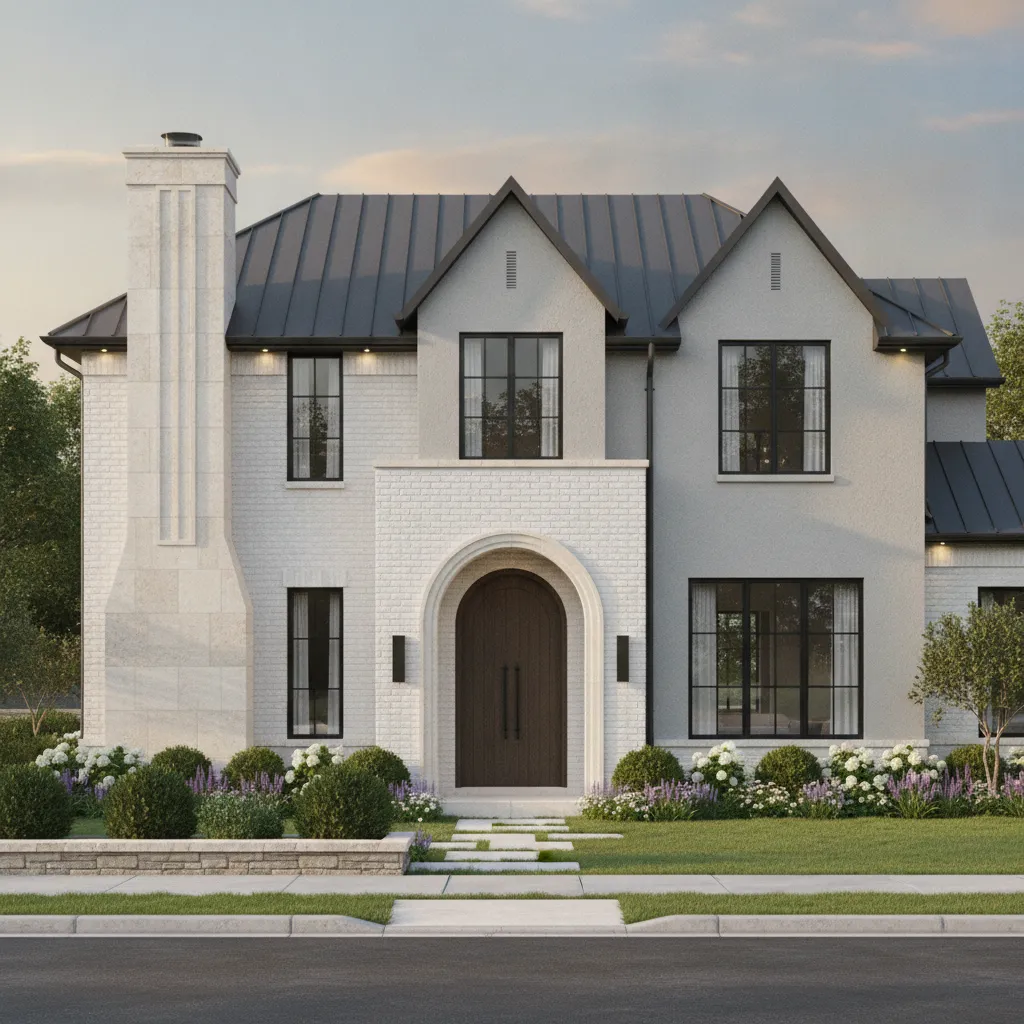
Unsoftened masonry and sharp architectural angles can make a front elevation feel cold and rigid. Thoughtful foundation landscaping anchors the building into its surrounding landscape.
Landscaping techniques for visual balance:
- Tiered Height Layers: Place taller evergreen shrubs near outer house corners to frame the building, transition to mid-sized flowering bushes, and finish with low ground cover along paths.
- Conceal Concrete Footings: Plant low, dense hedges (such as boxwood or dwarf Yew) along the base of the home to mask exposed concrete foundations.
- Biophilic Texture Contrast: Pair smooth architectural walls with feathery ornamental grasses, bold-leaf hostas, and weeping accent trees (like Japanese Maples) for continuous visual movement.
Exploring options to buy front yard plants online gives you access to climate-hardy varieties that offer year-round greenery and seasonal color.
Improve the Gate and Boundary Wall
Your property boundary is the first architectural touchpoint visible from the street. An outdated chain-link fence or crumbling concrete wall lowers the perceived quality of the entire home behind it.
Modernizing boundary elements:
- Horizontal Slat Gates: Timber or aluminum horizontal slats spaced 0.5 to 1 inch apart balance privacy with modern airflow.
- Stone Pillar Anchors: Capping masonry fence posts with natural stone slabs or integrated low-voltage pillar lights creates a refined entrance marker.
- Integrated Mailbox & House Numbers: Mount clean, laser-cut steel street numbers directly onto stone or rendered boundary walls for a modern touch.
Choosing to order custom driveway gates establishes an immediate sense of security, exclusivity, and architectural cohesion.
Make a Small House Front Look More Attractive
Small facades require careful spatial discipline. Applying Hick’s Law—reducing unnecessary visual elements—prevents compact cottage or bungalow frontages from feeling cluttered.
Design tactics for smaller elevation footprints:
- Emphasize Vertical Lines: Use vertical board-and-batten siding or vertical timber battens to draw the eye upward, giving the illusion of added height.
- Keep Features Proportional: Avoid oversized columns or massive light fixtures that overpower a compact porch frame.
- Select a Single Statement Accent: Focus detail on one high-quality focal point—like an arched wooden front door or a geometric porch railing—rather than crowding the space with multiple decorative items.
Browsing dedicated small house exterior elevation ideas helps you maximize appeal without overwhelming limited wall space.
Compare Front Designs Before Making Changes
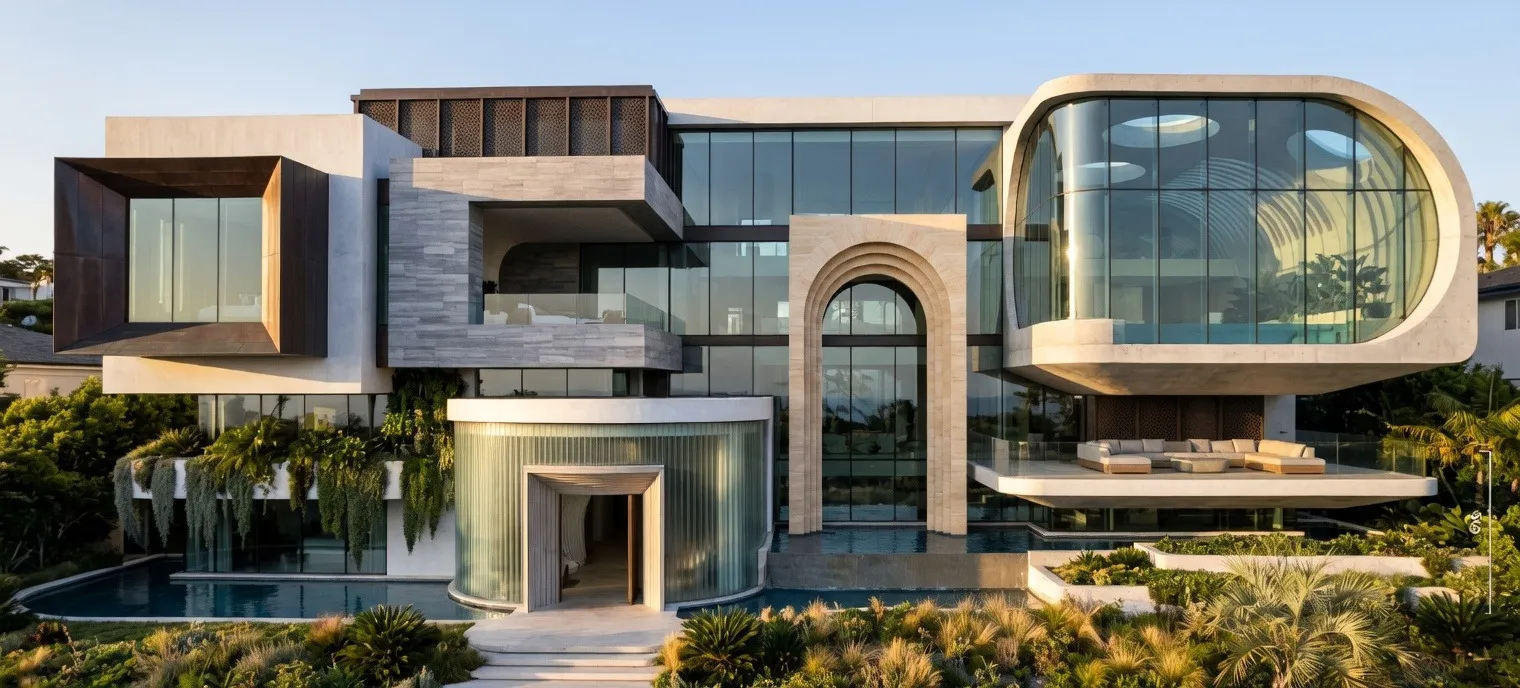
Committing thousands of dollars to stone veneer, fiber-cement siding, or custom rooflines without testing how materials interact leads to expensive mistakes. Comparing structural combinations side-by-side protects your investment.
| Facade Renovation Planning Approaches | Traditional Designer Workflow | AI-Powered Elevation Visualization |
|---|---|---|
| Typical Cost | $2,500 – $10,000+ in consulting fees | Fraction of traditional drafting costs |
| Turnaround Time | 3 to 6 weeks for initial drafts | Instant visual generation |
| Material Flexibility | Limited manual revisions | Test infinite paint, siding, & trim options |
| Ease of Use | Requires technical blueprint interpretation | Simple photo upload or floor plan input |

Visualize Your House With a Better Front Before You Start
Testing siding textures, porch additions, and paint palettes on your physical home no longer requires advanced 3D software skills or expensive architectural retainers.
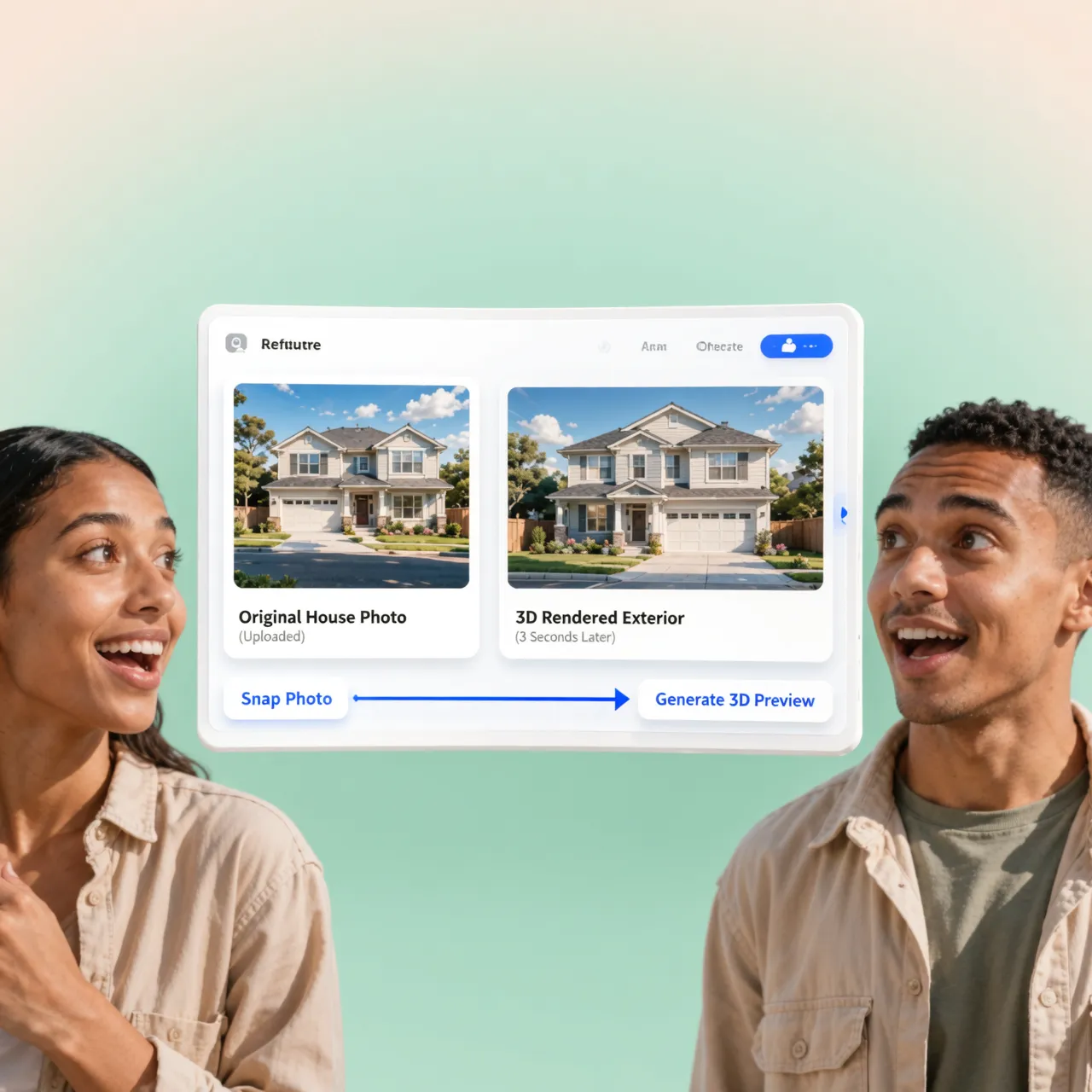
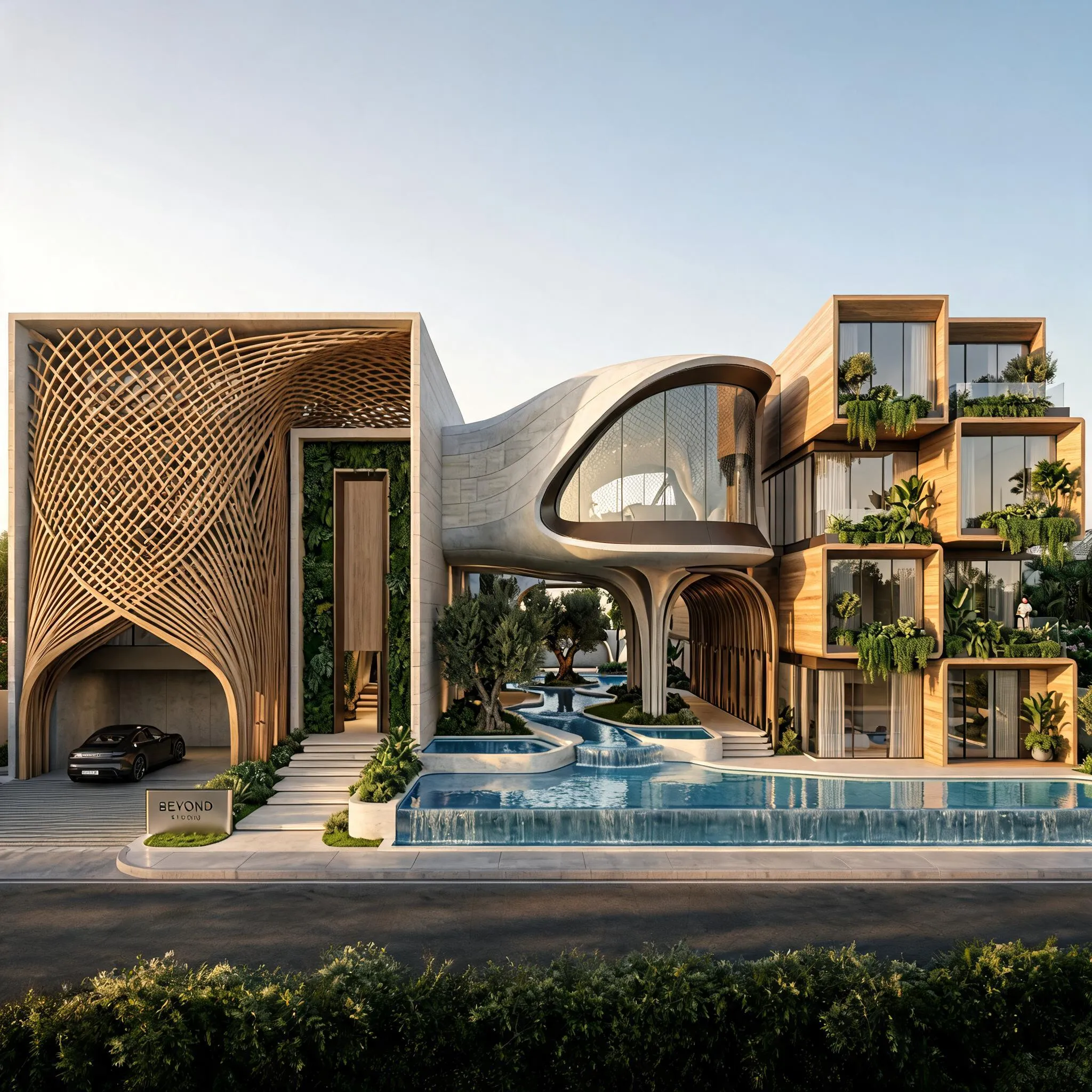
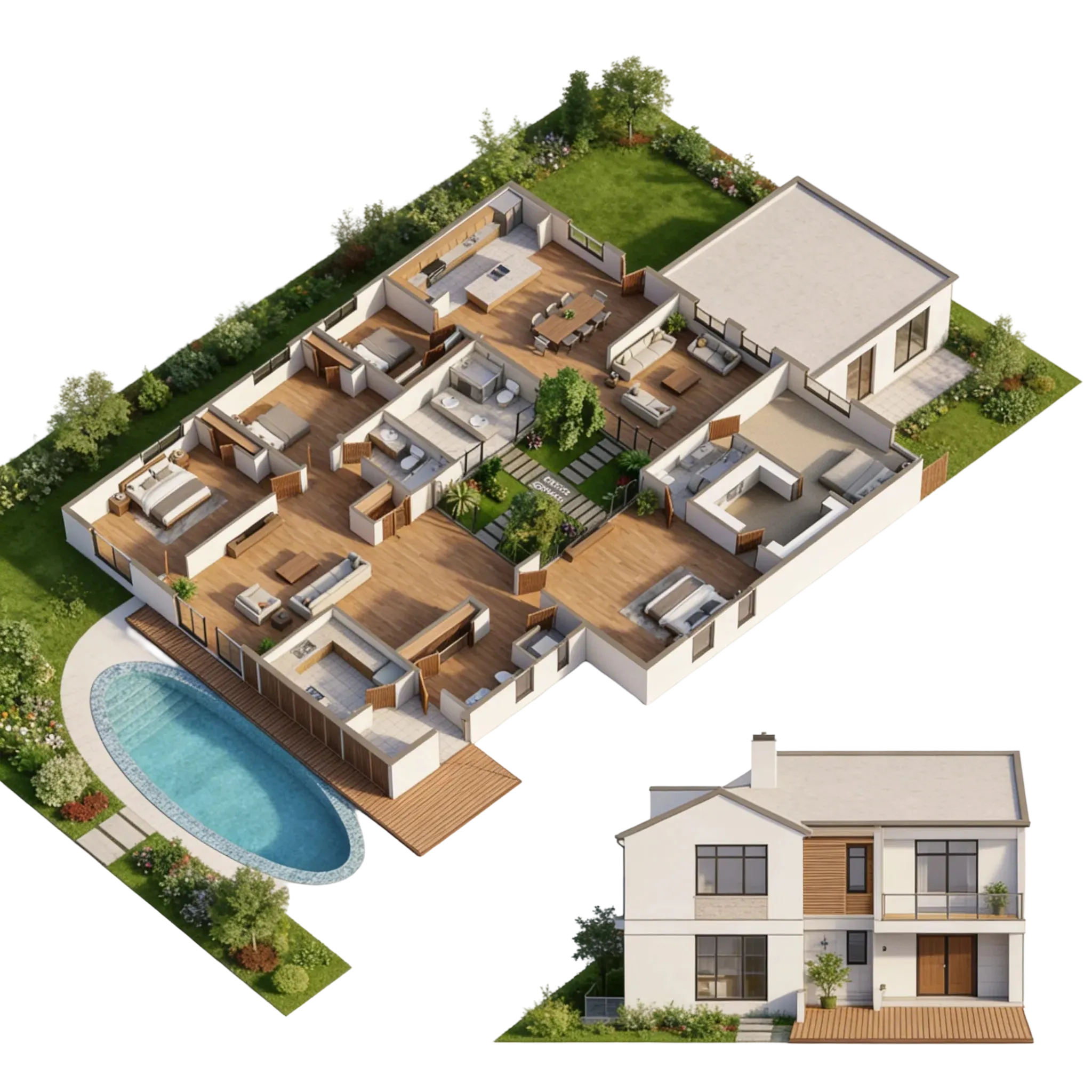
Using a web-based 3D house exterior visualizer lets you see your exact home transformed before purchasing a single pallet of stone or gallon of paint. With DesignHome Synthesis™, you simply upload a photo of your existing facade or basic floor plan into our layout intelligence system. The system maps your building's structural geometry, allowing you to preview custom front elevation renderings, test material pairings, and experiment with lighting options instantly.
Simple Checklist to Transform Your House Exterior
Follow this step-by-step approach to keep your facade makeover organized and on budget:
- Conduct a Street Audit: Stand across the street and photo-document your home's architectural weaknesses, hidden entrances, and plain wall expanses.
- Establish Your Palette: Choose a primary body color, a complementary trim tone, and a bold door accent color.
- Anchor the Entrance: Upgrade your front door, add prominent door casing, and install an overhead canopy or portico.
- Layer Night Lighting: Install warm 2700K sconces at the entrance, up-lights on key features, and safe path illumination.
- Upgrade Pathways: Replace cramped concrete strips with wide stone or paver walkways flanked by layered foliage.
- Preview Before Building: Use house exterior makeover software to test colors, cladding options, and layouts before starting work.
Taking a structured, step-by-step approach turns exterior remodeling into a rewarding experience, giving you a beautiful home front that brings daily joy and long-term value.
Frequently Asked Questions: How to Make a House Front Look Better
What is the fastest way to make a house front look better without starting a major construction project?
The single fastest way to improve your house front is to create a high-contrast entrance focal point. According to Gestalt visual psychology, the human eye naturally seeks an anchor when viewing a facade. If your front door is hidden in shadows or faded, the entire house feels uninviting. Applying a fresh coat of high-contrast paint—such as deep charcoal, forest green, or smoked oak stain—along with upgrading your door handles and installing wider casing trim instantly gives your home a polished look without major construction.
How can I make my home's facade look modern and fresh on a tight budget?
And it gets better: modernizing your home doesn't require tearing down walls or spending a fortune. Start by applying a clean color scheme using the 60-30-10 rule:
- 60% Primary Body: A clean, neutral base like alabaster or greige for main walls.
- 30% Secondary Framing: A dark contrast tone like matte bronze or slate on window trims, roof eaves, and garage doors.
- 10% Focal Accent: A warm accent color or wood finish reserved for the front entrance.
This simple color distribution creates crisp architectural boundaries that immediately modernize an aging exterior.
Why does my house front look dull at night, and how can I fix it easily?
Most dated homes rely on a single, harsh porch light that casts deep shadows and leaves the rest of the facade in the dark. You can easily fix nighttime curb appeal by layering warm LED lighting. Place oversized wall sconces on both sides of the front door, add flush soffit downlights under roof eaves to wash soft light down textured siding, and tuck low-voltage up-lights in garden beds. Keeping all bulbs at a warm 2700K color temperature gives your home an inviting evening glow.
How can I make plain vinyl or aluminum windows look more stylish from the outside?
Thin window frames set flush against siding can make a house look flat and basic. You can give plain windows an expensive, set-deep look using three budget-friendly techniques:
- Paint the Trims Dark: Painting window casings in matte black or dark bronze mimics modern black aluminum windows.
- Add Substantial Casing: Surround window glass with 4-to-6-inch wide composite trim boards to cast structural shadow lines.
- Upgrade Sill Depth: Install precast stone or wood sills beneath glass openings to add visual depth.
What can I do to improve a narrow, cracked concrete walkway?
A narrow 30-inch concrete path forces guests to walk single-file and makes your entrance feel restrictive. Instead of breaking up the concrete, widen the pathway by laying a double border of dark granite or concrete pavers along both sides. You can also apply a semi-transparent concrete stain in slate or warm charcoal to mask stains and create a wide, welcoming arrival path where two people can comfortably walk side-by-side.
How does foundation landscaping help make a house front look complete?
Unsoftened concrete foundations and sharp building corners leave a house looking cold and disconnected from its surroundings. Landscaping acts as a natural frame. Plant structured evergreens (like boxwoods or dwarf conifers) at outer building corners to anchor the footprint. Step down to mid-sized flowering shrubs, and finish with low ground cover alongside paths. Mixing broad-leaf plants with feathery ornamental grasses adds organic movement that balances rigid wall surfaces year-round.
What minor details secretly ruin the overall appearance of a front entrance?
In visual psychology, the Zeigarnik Effect shows that incomplete or mismatched details attract a disproportionate amount of negative attention. Small things like rusted mailboxes, tiny house numbers, exposed garden hoses, and tarnished door bells ruin the effect of fresh paint. Swap out builder-grade digits for large 6-to-8-inch floating metal numbers. Unify all exterior hardware—door handles, sconces, mailbox, and numbers—under a single finish like matte black or brushed bronze.
How can I give my garage doors a custom look without buying new ones?
Garage doors often occupy up to 30% of your home's front elevation, making them a major visual component. If your garage doors are basic white, paint them in the same secondary framing tone as your window trims to reduce their visual footprint. You can also add magnetic decorative hardware—such as handles and faux hinge straps—or paint simulated window panes along the top panel to give standard steel doors a carriage-house aesthetic.
Can I make an asymmetrical house front look balanced and organized?
Yes, and the key is local symmetry. While full structural symmetry isn't always possible, creating visual balance around primary focal points calms the overall design. Pair large wall sconces equally on both sides of the main doorway, mirror planter arrangements across arrival steps, and align foundation foliage heights across window centers. Restoring visual symmetry around your main entrance creates an immediate sense of order.
How do I choose between refreshing siding or adding stone veneer accents?
Look closer: covering an entire house in stone or brick can feel heavy and expensive, while plain siding can look monotonous. The most visually appealing facades combine two or three complementary textures. Use stone veneer on foundation walls or porch pillars to ground the building, and use smooth stucco render or vertical board-and-batten siding on upper wall surfaces. This mix of materials adds depth and architectural interest.
How can I test different colors, lighting layouts, and cladding options before spending money?
Committing money to paint, stone, or custom doors without seeing how they look on your actual home is a risky gamble. Using digital tools like DesignHome Synthesis™ allows you to discover tailored exterior concepts for your home in minutes. Simply upload a photo of your house front or floor plan into our layout intelligence system. You can test paint palettes, swap front door styles, preview window trims, and evaluate night lighting layouts side-by-side with total confidence before buying materials.
What step-by-step order should I follow to refresh my house front?
Follow this simple three-step plan to keep your project organized and on budget:
- Step 1 (Entrance & Lighting): Paint or re-stain your front door, add wide casing trim, upgrade house numbers, and install 2700K entry sconces.
- Step 2 (Framing & Surfaces): Paint window frames and roof eaves in a dark contrast tone, add wide window casings, and stain or frame walkways.
- Step 3 (Greenery & Details): Plant layered foundation foliage, install low-voltage garden lighting, and add slatted screens to hide utility meters and AC units.
Taking a structured approach ensures you get maximum visual impact from every update while creating a beautiful, welcoming home front.


