

You step out onto your back porch on a sunny Saturday morning, mug of hot coffee in hand, ready to relax and take a deep breath. Ten seconds later, reality hits: the grass is knee-high, weeds are taking over your flower beds, the bushes are blocking the side walkway, and muddy puddles from Tuesday's rainstorm are still stagnating near the patio steps. Instead of unwinding, you spend the next six hours pushing a heavy mower, dragging a tangled garden hose, and scrubbing weather-stained furniture until your back aches. You slump down on the porch steps, look at your yard, and ask yourself: Why am I spending every single weekend working for my yard instead of letting my yard work for me?
Here is the liberating truth of modern landscape design: mastering a low-maintenance backyard design isn't about settling for a sterile slab of concrete—it is about implementing smart hardscaping, native planting zones, and automated systems that cut your weekend chores by 80%.
A yard becomes a high-maintenance nightmare when thirsty grass lawns swallow up your free time, when oversized shrubs require constant hedge trimming, and when poor soil drainage creates recurring mud pits. By scaling back turf footprints, installing drip irrigation lines, layering weed-suppressing organic mulch, and choosing weather-resistant structural materials, you can create a gorgeous, resort-style outdoor retreat that stays pristine with almost zero effort.
Whether you are transforming an overgrown lawn or planning a fresh hardscape layout, here is how to plan, zone, and execute your easy-care yard step by step.
1. Low-Maintenance Backyard Design Ideas for Less Weekend Work
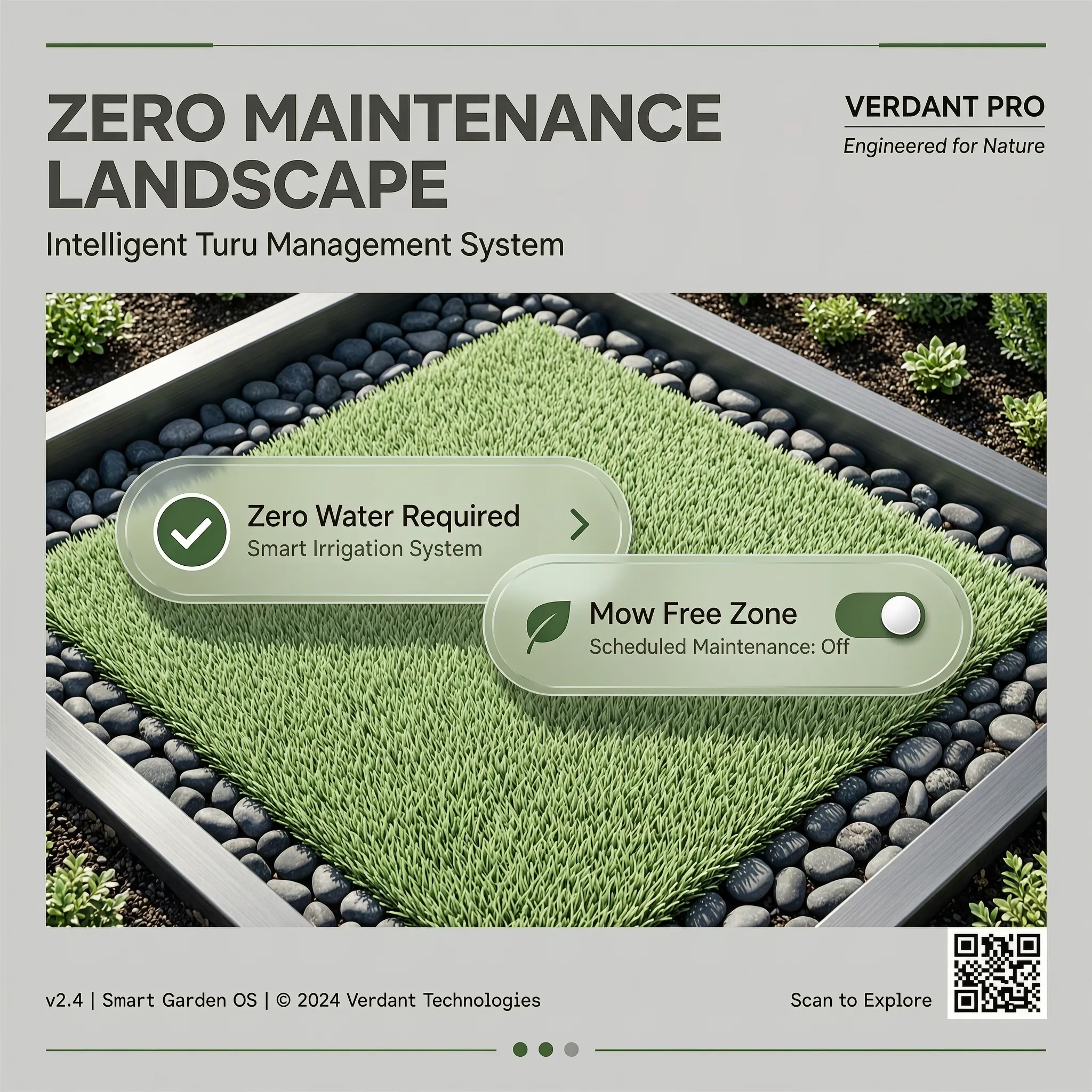
Before buying lawn mowers or ordering expensive garden plants, step back and examine how your yard currently consumes your weekend hours.
Most outdoor spaces fail because homeowners default to massive grass lawns and high-strung ornamental flowers, leading to an endless cycle of mowing, weeding, fertilizing, and manual watering.
To execute a high-impact low-maintenance backyard design and explore practical low-maintenance backyard ideas, structure your property around three core principles:
- Shrink the Turf Footprint: Replace non-essential grass zones with stone pavers, pea gravel, or native ground covers to eliminate weekly mowing schedules.
- Automate Essential Upkeep: Install smart drip irrigation lines and automated timers so your garden waters itself efficiently at dawn.
- Group Plants by Water Needs: Practice hydro-zoning by placing drought-tolerant species together to stop wasting water on mismatched garden beds.
Explore our architectural strategies for concealed home office ideas to learn how spatial proportion principles transform living spaces inside and out.
2. Plan Your Backyard Around the Amount of Maintenance You Can Manage
Installing high-maintenance rose bushes, complex water features, or delicate timber decking when you only have one hour a week for yard work leads to immediate burnout and an overgrown property.
Developing a practical low-maintenance backyard landscaping strategy and creating an easy-care backyard design starts with an honest audit of your lifestyle.
Follow this 3-step diagnostic to map your outdoor project:
- Calculate Realistic Weekly Hours: Decide upfront whether you want to spend 15 minutes checking soil moisture or three hours pushing mowers around.
- Audit Local Rainfall and Sun: Note high-sun exposure zones and natural low spots across your property before choosing plant varieties or building patios.
- Prioritize Permanent Hardscapes: Allocate a larger portion of your budget to concrete pavers, stone retaining walls, and composite decks that require zero weekly mowing.
3. Replace High-Maintenance Lawn Areas With Easier Ground Cover
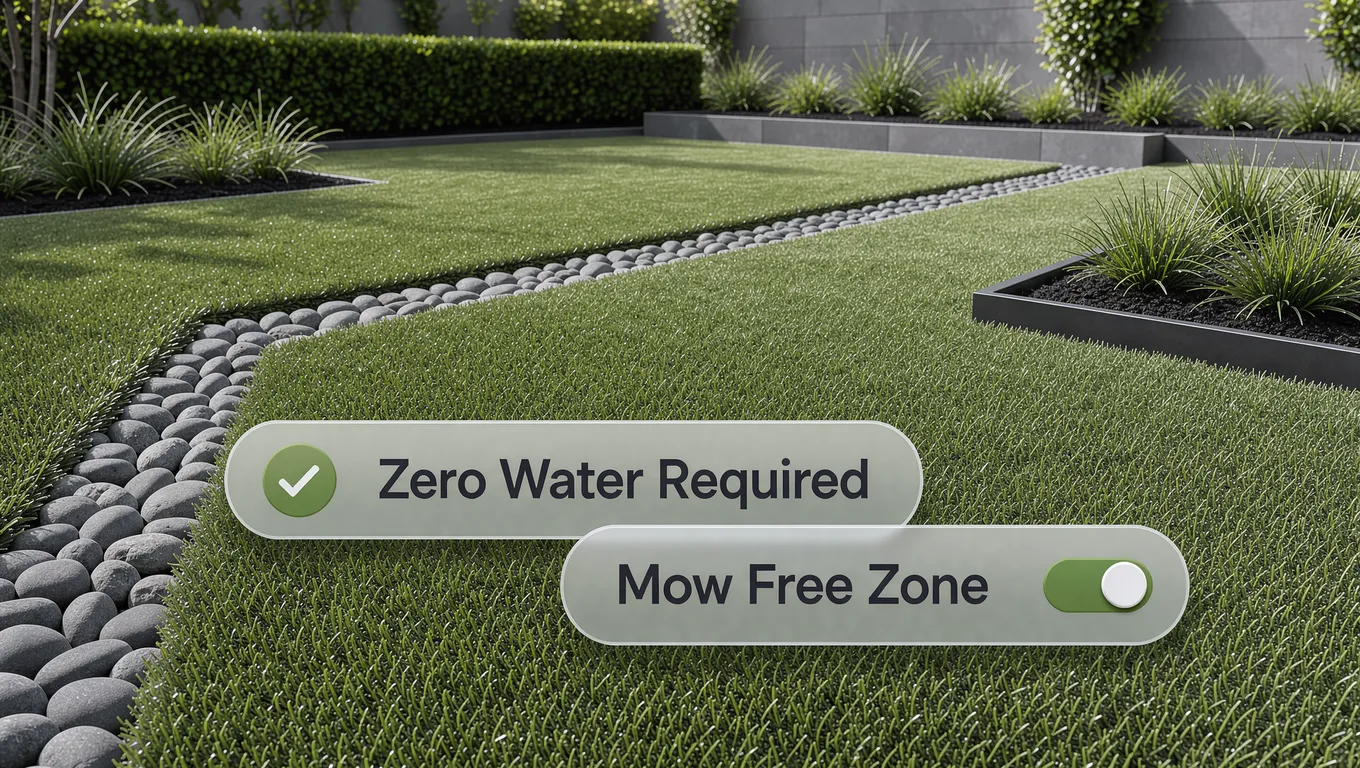
Traditional turf grass is the single biggest time thief in your yard, demanding constant mowing, seasonal aeration, synthetic weed treatments, and thousands of gallons of water every summer.
Implementing high-impact low-maintenance lawn alternatives and picking smart backyard ground cover ideas transforms open soil into a lush, self-sustaining green carpet.
• Requires 1.5 inches of water weekly
• Susceptible to weed invasions
• Deep root systems thrive on natural rain
• Forms dense mats that choke out weeds
Ground cover replacement options:
- Creeping Thyme & Clover: Plant creeping thyme or micro-clover across open yards. These hardy varieties require zero mowing, withstand foot traffic, stay green during hot spells, and release a pleasant scent when walked on.
- Decomposed Granite & Pea Gravel: Convert zero-traffic side yards into clean gravel pathways. Underlay gravel beds with commercial-grade geotextile weed barrier fabric to block weed growth permanently.
- Articulated Paver Steppers with Ground Foliage: Lay large-format concrete stepping stones spaced 4 inches apart, filling the gaps with low-growing sedum or dwarf mondo grass for a crisp visual layout.
Visualize Your Ultimate Easy-Care Yard Today
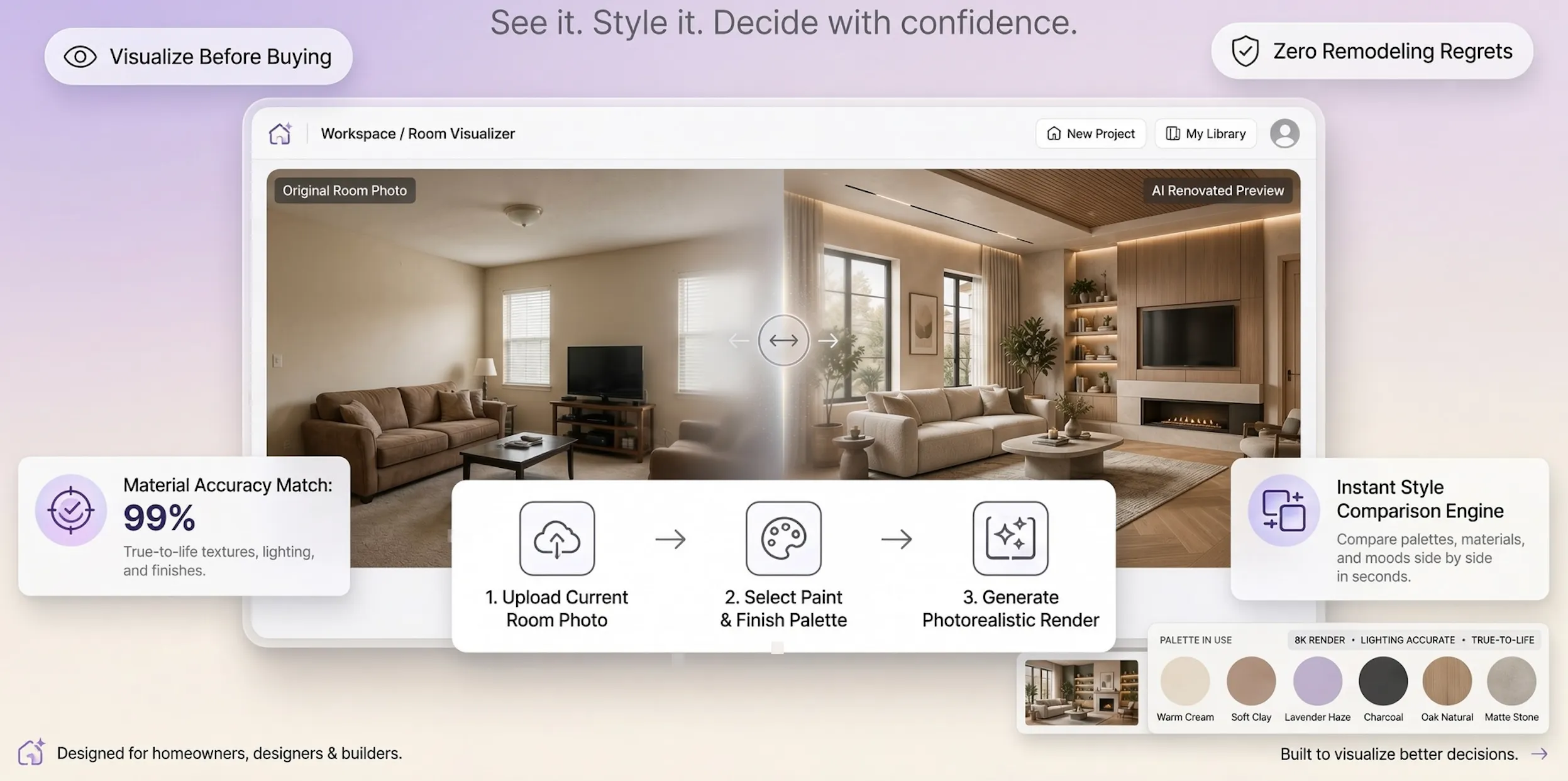
Struggling to calculate paver clearances, test whether a gravel patio fits your property, or picture how native plant beds replace your overgrown lawn? You don't need expensive landscape architects or confusing manual tape measurements to create a beautiful, low-work outdoor sanctuary.
Upload a photo or floor plan of your yard to test customized hardscape layouts, experiment with native plant placements, check walking clearance aisles, and walk through your low-maintenance sanctuary in rich 3D before buying a single shovel or paver stone.
Design Your Low-Maintenance Yard Today with DesignHome →4. Choose Low-Maintenance Plants That Suit Your Local Climate
Exotic, non-native flowers might look stunning in greenhouse displays, but the moment you plant them in your native soil, they demand daily hand-watering, specialized fertilizers, and constant pest control.
Selecting native low-maintenance backyard plants, building drought-tolerant landscaping beds, and utilizing native backyard plants creates a self-sufficient ecosystem that thrives on natural local weather cycles.
Plant selection guidelines:
- Prioritize Region-Specific Natives: Choose perennial flowers natively adapted to your climate zone (such as Coneflowers, Black-Eyed Susans, or Salvia). Once established, native root systems access deep groundwater independently.
- Incorporate Ornamental Grasses: Plant blue fescue, feather reed grass, or fountain grass. Ornamental grasses add movement, resist local pests, survive drought, and require cutting back only once in early spring.
- Avoid High-Feeding Annuals: Skip delicate annual flowers that require weekly deadheading and replacement every single season.
5. Use Trees and Shrubs That Need Less Frequent Pruning
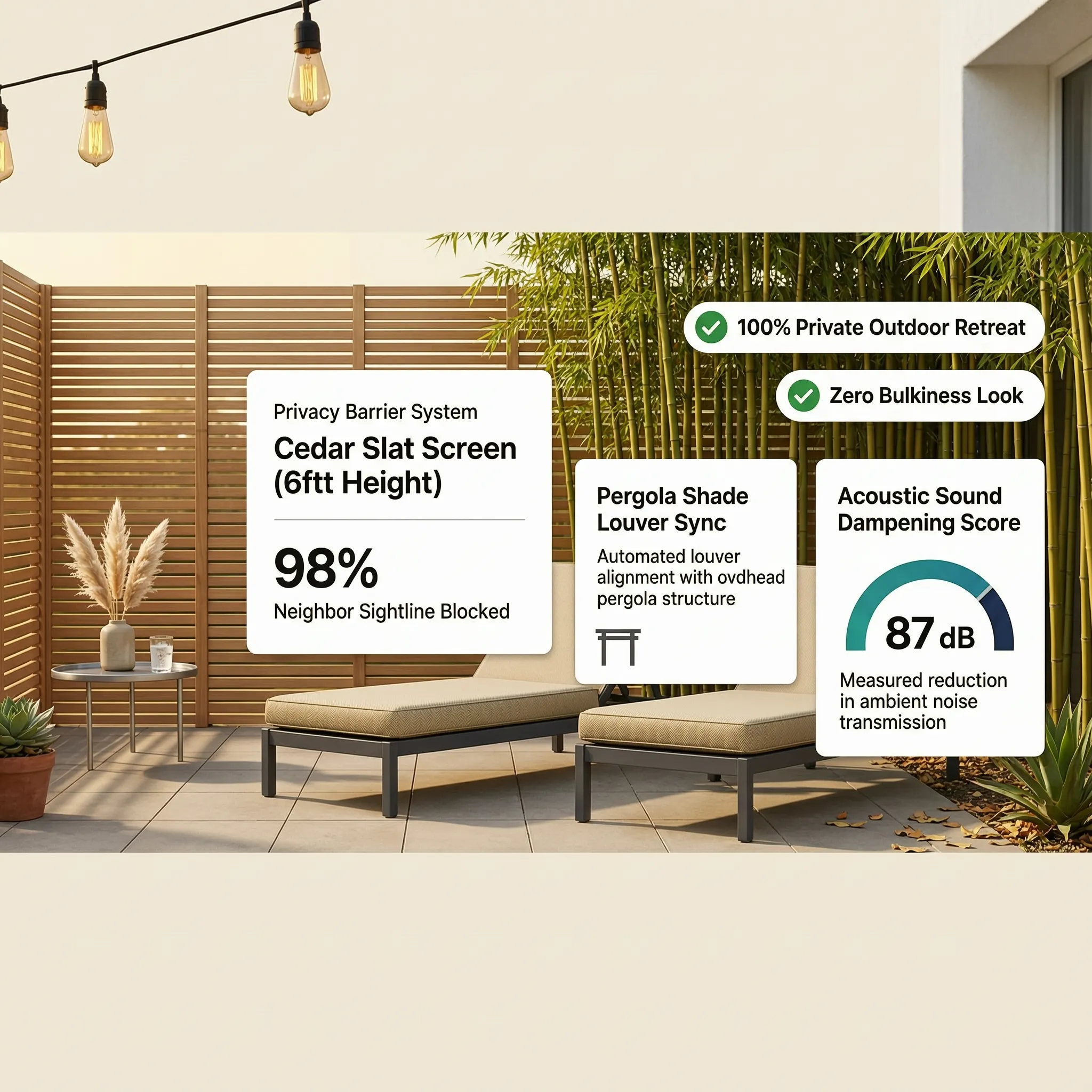
Fast-growing, aggressive hedges can quickly turn your yard into an overgrown jungle, forcing you to spend every summer Saturday balanced on ladders with heavy hedge trimmers.
Selecting slow-growing low-maintenance shrubs, planting easy-care backyard trees, and prioritizing low-pruning plants keeps your plant borders neat without constant shaping.
• Requires monthly electric trimming
• Encroaches on paths & gutters
• Holds natural geometric shape independently
• Stays within designated bed boundaries
Tree and shrub selection tactics:
- Plant Dwarf Evergreen Varieties: Select dwarf boxwoods, dwarf Alberta spruces, or inkberry hollies. These varieties grow at a slow pace, holding clean, natural shapes without needing constant haircuts.
- Check Mature Height Ratings: Always check mature width and height labels before planting trees near fences or under roof eaves to prevent future pruning battles.
- Choose Clean Canopy Trees: Avoid messy trees like sweetgums or female gingkos that drop sticky seed pods, heavy fruit, or excessive sap across your patio floorboards.
6. Use Gravel, Pavers, and Stone to Reduce Landscaping Work
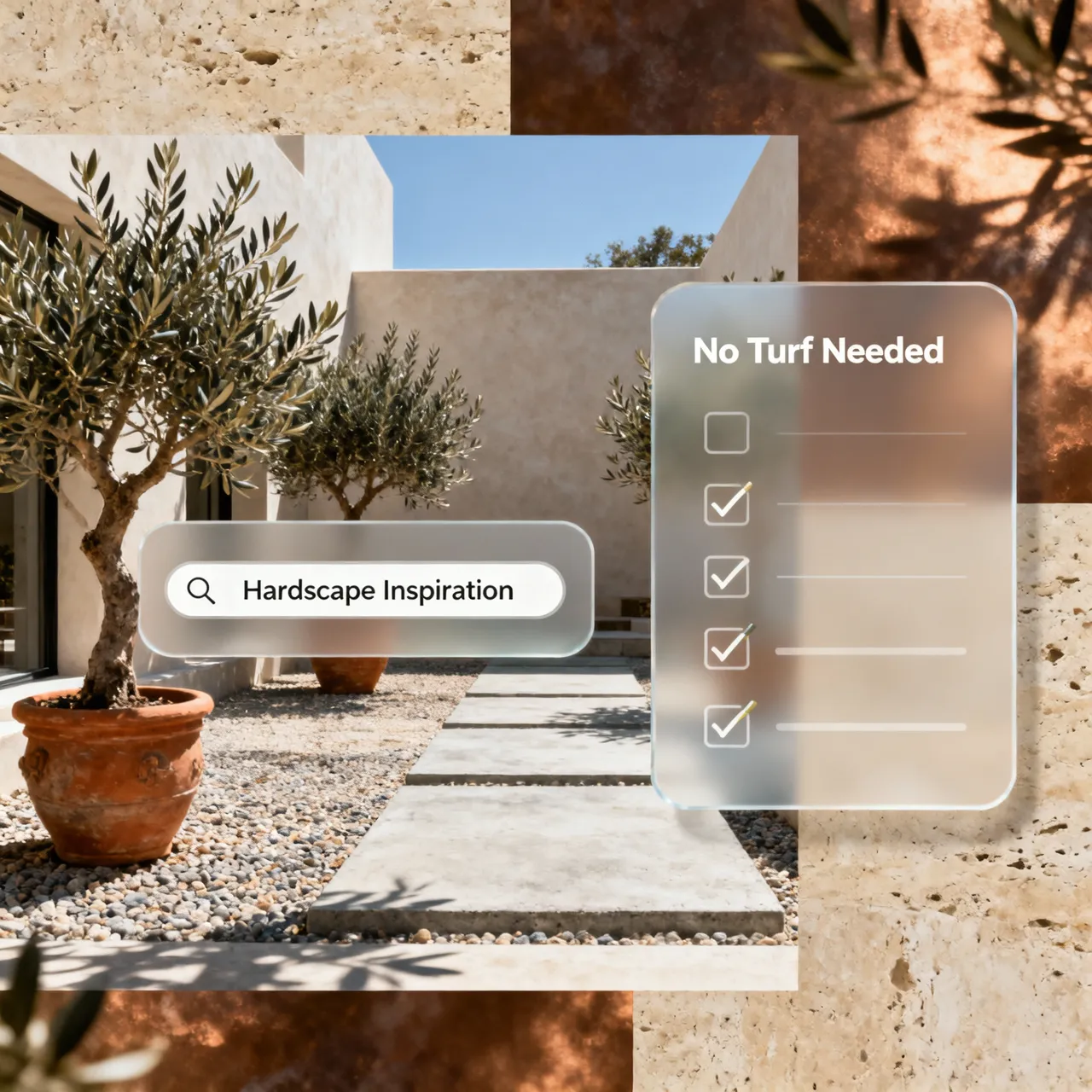
Every square foot of hardscape you install is a square foot of yard you never have to mow, fertilize, trim, or re-seed ever again.
Executing high-impact low-maintenance backyard landscaping ideas, creating backyard gravel ideas, and planning a paver patio design transforms high-upkeep turf into durable, attractive outdoor living rooms.
Hardscaping guidelines:
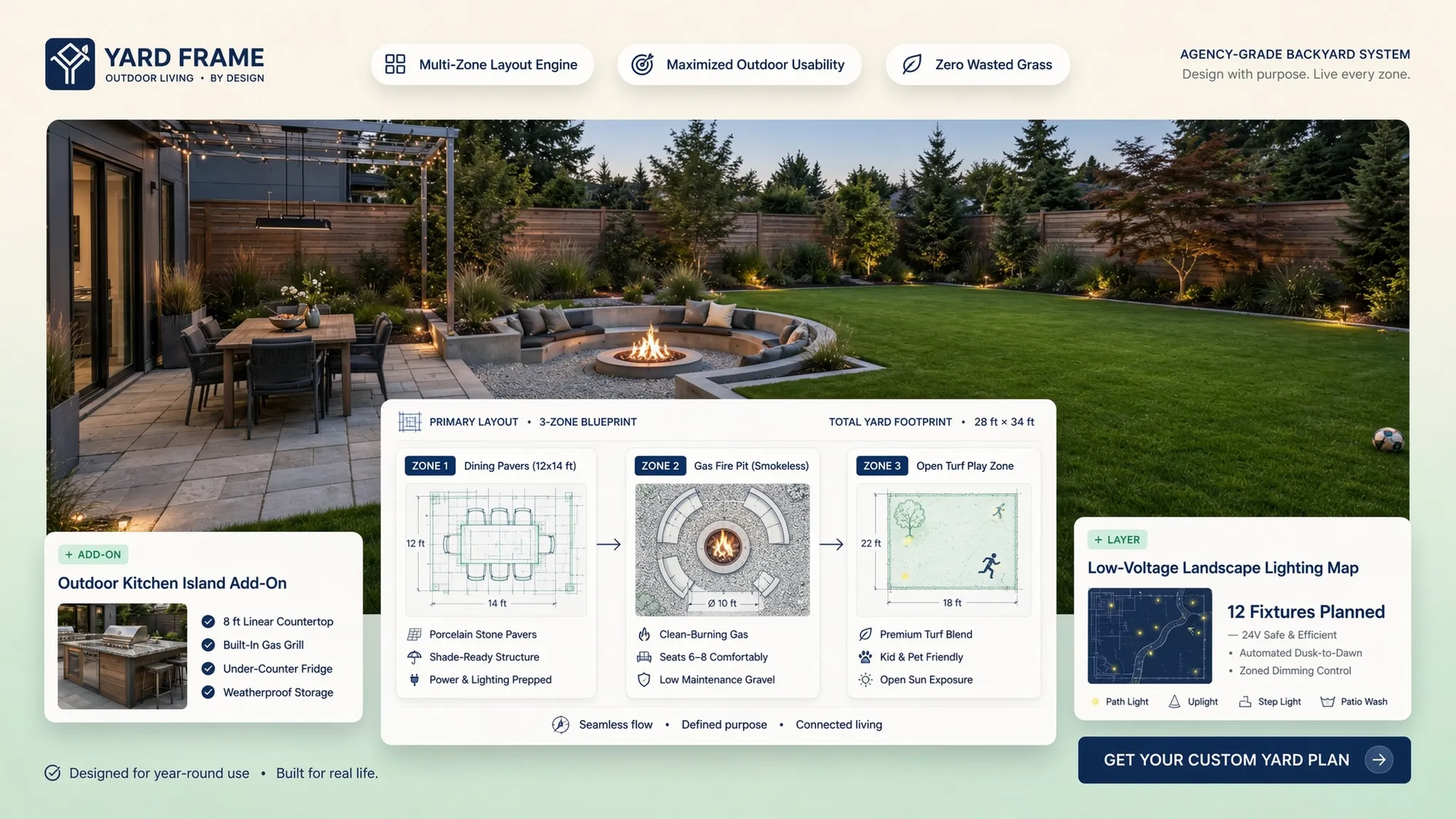
- Lay Interlocking Concrete Pavers: Build your central entertaining area using high-density concrete pavers sealed with polymeric sand. Polymeric sand hardens between joints, locking out weeds and ants.
- Establish Pea Gravel Courtyards: Create relaxed fire pit sitting areas using crushed pea gravel or river rock. Gravel allows rainwater to soak into the soil naturally while suppressing weeds.
- Install Geotextile Fabric Layers: Always lay high-density woven geotextile weed fabric underneath stone or gravel installations to prevent subsoil weeds from pushing upward.
7. Design Garden Beds That Are Easier to Water and Maintain
Scattered, disorganized flower beds cut into open grass force you to steer lawnmowers around awkward curves and drag hoses to four different corners of your property.
Building easy-maintenance garden beds, organizing low-maintenance flower beds, and applying smart backyard mulch ideas keeps your planting zones neat and easy to manage.
Garden bed design rules:
- Install Continuous Edge Borders: Separate garden beds from ground cover using deep aluminum, concrete, or composite metal edging. Metal borders stop lawn roots from creeping into flower beds.
- Apply 3 to 4 Inches of Shredded Bark Mulch: Cover open soil with a thick layer of shredded cedar or hardwood mulch. Mulch insulates soil roots, reduces water evaporation by up to 70%, and smothers weed seeds before they sprout.
- Consolidate Beds Along Fences: Group plants into wide, continuous beds along property fences rather than scattering isolated island beds across the middle of your lawn.
If you are exploring creative organization strategies across compact outdoor footprints, check out our guide on how to improve kitchen storage for high-efficiency layout tactics.
8. Install an Irrigation System That Reduces Manual Watering
Standing in your yard for an hour every summer evening holding a heavy spray nozzle is a massive waste of time and leads to uneven watering that stresses your plants.
Upgrading to modern low-maintenance backyard irrigation, laying drip irrigation for landscaping beds, and setting up automatic garden watering delivers targeted moisture straight to plant roots on autopilot.
Irrigation setup rules:
- Run Micro-Drip Lines Beneath Mulch: Snake 1/2-inch main drip tubing along your plant beds, attaching individual micro-emitters right at the base of every shrub. Covering the tubing with mulch protects it from UV damage and hides it from view.
- Attach Smart Hose Timers: Connect a Wi-Fi-enabled smart hose timer to your outdoor spigot. Smart timers monitor local weather forecasts automatically, pausing scheduled watering cycles whenever rain is in the forecast.
- Water Deeply at Dawn: Program your automated system to water early in the morning between 5:00 AM and 7:00 AM. Early morning watering minimizes evaporative loss from heat and wind.
For official technical specifications on residential irrigation efficiency, backflow prevention, and water conservation codes, consult the International Code Council (ICC).
9. Choose Outdoor Furniture and Materials That Are Easy to Clean
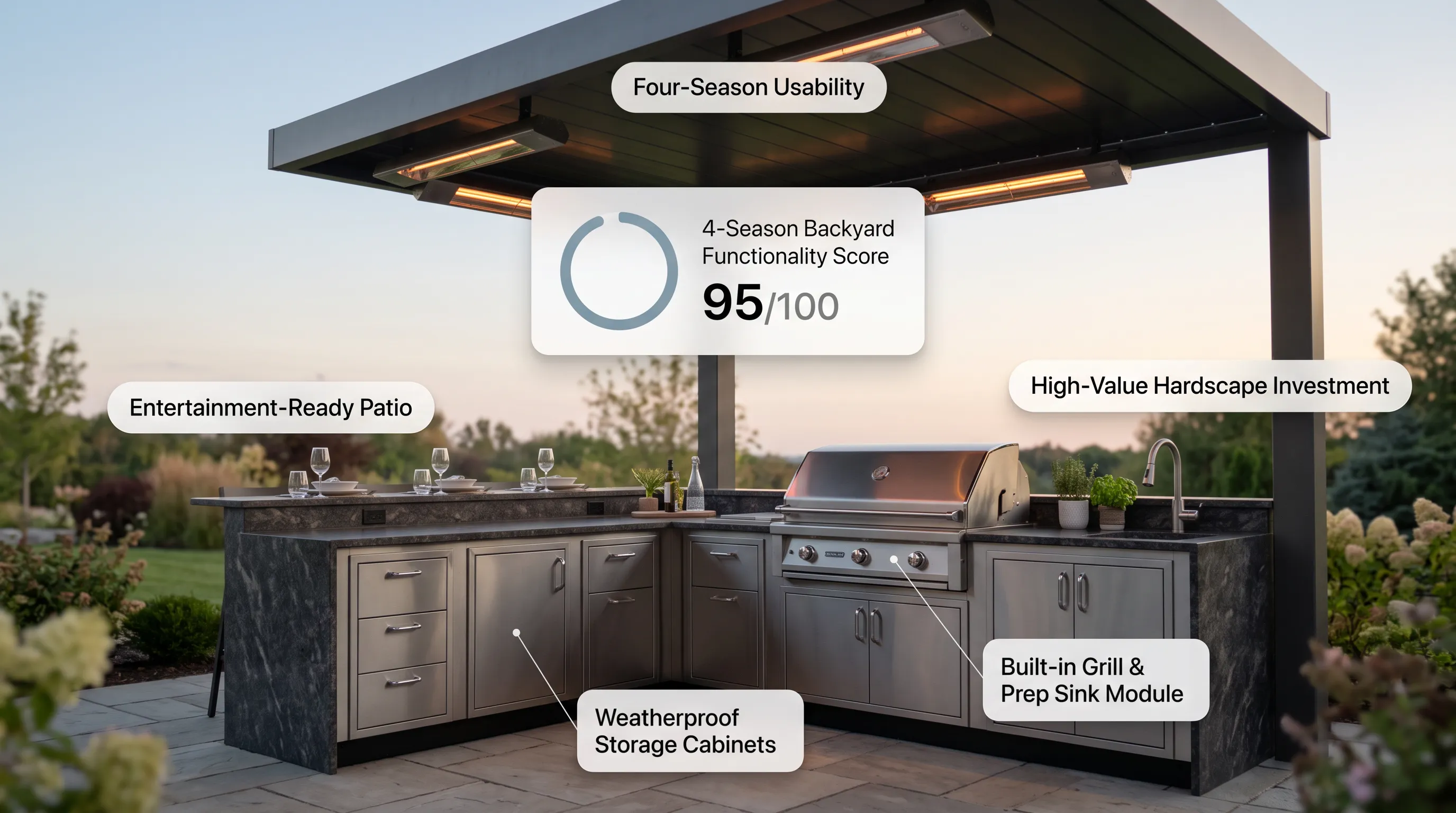
Buying high-maintenance pine patio sets, cheap steel chairs, or light fabric cushions leaves you spending your weekends scrubbing rust stains, applying wood sealers, or dragging wet cushions inside before every rainstorm.
Selecting durable low-maintenance outdoor furniture, using easy-care backyard materials, and building with composite decking ensures your patio stays clean with zero fuss.
• Wrought iron that rusts & stains pavers
• Real wood decking that warps & splinters
• Solution-dyed acrylics (Sunbrella)
• Rot-proof capped composite decking
Material selection guidelines:
- Specify Powder-Coated Aluminum or Poly Lumber: Choose furniture constructed from heavy powder-coated aluminum or recycled poly-lumber. These materials are 100% rust-proof, resist UV fading, and clean up easily with a simple garden hose spray.
- Select Rot-Proof Composite Decking: Build your deck using capped composite boards. Composite decking resists rot, splinters, and insect damage, eliminating the need for annual sanding, staining, or waterproofing treatments.
- Use Reticulated Quick-Dry Foam: Ensure all patio seat cushions feature reticulated quick-dry foam wrapped in solution-dyed acrylic fabric to shed rainwater quickly and prevent mildew growth.
For guidance on non-toxic sealers, eco-friendly finishes, and sustainable outdoor material standards, visit the Sustainable Furnishings Council (SFC).
10. Improve Backyard Drainage to Prevent Recurring Problems
Ignoring poor backyard drainage leads to soggy lawns, standing water pits, drowned plant roots, and eroded soil that requires costly landscape repairs every single spring.
Gathering effective backyard drainage ideas, fixing low-maintenance yard drainage issues, and implementing smart backyard water management keeps your yard dry, stable, and healthy.
Drainage execution rules:
- Slope Surfaces Away from Foundation: Ensure all hardscape patios, walkways, and lawn zones slope downward away from your home at a minimum 1/4-inch drop per foot gradient to push rainwater away from foundations.
- Install French Drains in Low Spots: Dig a shallow trench in low-lying lawn areas, laying perforated PVC pipe encased in gravel and filter fabric to carry standing groundwater away efficiently.
- Direct Downspouts to Permeable Zones: Extend roof downspout pipes at least 4 feet away from hardscapes, routing runoff into pea gravel beds or rain gardens filled with water-loving native plants.

11. Add Outdoor Features That Don't Create More Maintenance
Over-decorating your yard with delicate glass lanterns, high-maintenance water fountains, and complicated wooden structures adds endless cleaning and maintenance tasks to your weekly schedule.
Executing simple low-maintenance backyard ideas, incorporating easy-care backyard features, and installing low-maintenance outdoor lighting provides high visual impact with zero extra chores.
Low-upkeep feature rules:
- Install Solid Brass Low-Voltage LED Lighting: Choose heavy cast-brass low-voltage LED landscape fixtures. Solid brass fixtures resist salt-air corrosion, and energy-efficient LEDs run for over 50,000 hours without bulb swaps.
- Build Gas or Propane Fire Features: Choose a propane or natural gas fire table over a traditional wood-burning fire pit to eliminate messy ash cleanup, wood chopping, and lingering smoke odors.
- Limit Decorative Ornaments: Keep outdoor accent decor minimal. Choose large, heavy ceramic planters instead of dozens of tiny pots that dry out quickly and blow over in wind.
For technical standards on exterior lighting safety, dark-sky compliance, and glare reduction, visit the Illuminating Engineering Society (IES).
12. Bring Your Low-Maintenance Backyard Design Together
Ready to turn your high-upkeep yard into a gorgeous, low-work sanctuary that frees up your weekends and keeps your property looking amazing year-round?
Before ordering gravel loads, buying native plants, or installing drip lines, bring all your hardscape footprints, planting beds, drainage channels, and lighting routes together into a cohesive low-maintenance backyard design plan and easy-care backyard layout.
The Ultimate Low-Maintenance Yard Sign-Off Checklist:
Step Into Your Low-Maintenance Sanctuary Today
You deserve an outdoor space that welcomes you with warmth, beauty, and relaxation—without stealing your entire weekend for chores. Designing a high-performance, low-maintenance outdoor sanctuary doesn't require complex guesswork or settling for a bland concrete slab.
By focusing on durable hardscape foundations, native plant hydro-zoning, automatic drip irrigation, and weather-resistant composite materials, you can eliminate outdoor hassles and build a gorgeous retreat tailored to your exact lifestyle.
What specific lawn chores are currently taking up your weekends? How can DesignHome help you visualize, craft, and refine the ultimate low-maintenance backyard layout for your home today?
Frequently Asked Questions About Low-Maintenance Backyard Design
I want a beautiful backyard, but I don't want to spend my entire weekend mowing grass and pulling weeds. How do I make this transition work?
Here is the blunt reality: spending every single Saturday behind a loud mower or crawling on knees to pick weeds isn't taking care of a yard—it is serving a high-maintenance trap that steals your free time.
When your property relies entirely on traditional turf grass, you are locked into an endless cycle of cutting, watering, fertilizing, and weeding. Replacing non-essential lawn zones with stone pavers, pea gravel, and self-sustaining native ground covers establishes an intentional low-maintenance backyard design. Taking control of your spatial floor plan allows you to execute high-impact low-maintenance backyard ideas, giving you a resort-style retreat that stays pristine with almost zero weekend work.
How do I plan a low-maintenance backyard around my actual schedule so I don't get overwhelmed down the road?
Setting up an easy-care property comes down to auditing your weekly available hours, local rainfall patterns, and sunlight zones before buying a single plant or paving stone.
Follow this 3-step diagnostic to map your low-maintenance backyard landscaping:
- Audit Weekly Available Hours: Decide upfront whether you want to spend 15 minutes checking soil moisture or hours wrestling heavy garden equipment.
- Identify High-Sun Exposure Zones: Map afternoon heat locations to choose drought-tolerant perennials that thrive without artificial intervention.
- Prioritize Permanent Hardscapes: Allocate your budget toward concrete pavers, gravel courtyards, and composite decks to build a solid easy-care backyard design.
I am sick of mowing and watering grass that nobody uses. What are the best low-maintenance lawn alternatives?
Traditional grass lawns swallow thousands of gallons of water and demand constant summer labor just to stay green.
Swapping out fragile turf for high-impact low-maintenance lawn alternatives transforms your open ground:
- Creeping Thyme & Clover: Plant creeping thyme or micro-clover for a soft, lush green carpet that requires zero mowing, thrives during hot spells, and withstands foot traffic.
- Decomposed Granite & Gravel: Convert zero-traffic side yards into clean stone pathways that look neat year-round.
- Ground Cover Sedums: Deploy deep-rooting sedums and drought-tolerant ground foliage across open soil to smother weed seeds permanently using smart backyard ground cover ideas.
How do I choose low-maintenance plants that won't die the second I forget to water them?
Buying fragile, non-native flowers from local nurseries leads to constant hand-watering, expensive fertilizer treatments, and heartbreak when they wither.
Selecting region-specific low-maintenance backyard plants creates a self-sufficient ecosystem:
- Plant Deep-Rooted Native Perennials: Select native species that have adapted to your local climate over centuries to access deep groundwater independently.
- Incorporate Ornamental Grasses: Add blue fescue or feather reed grass for rich organic texture, pest resistance, and drought tolerance using drought-tolerant landscaping.
- Integrate Native Backyard Plants: Group hardy perennials with similar moisture needs together so natural rain cycles do all the heavy lifting for you.
How can I stop my garden bushes from overgrown chaos that requires constant trimming?
Fast-growing hedge varieties quickly turn your yard borders into an untamed jungle, forcing you to balance on ladders with electric trimmers every few weeks.
Selecting slow-growing low-maintenance shrubs keeps your plant borders structured with minimal effort:
- Select Dwarf Evergreen Varieties: Plant dwarf boxwoods, dwarf spruces, or inkberry hollies that hold clean geometric shapes naturally.
- Plant Easy-Care Backyard Trees: Choose slow-growing tree species with clean canopy habits that won't drop messy seed pods across your seating decks.
- Prioritize Low-Pruning Plants: Verify mature height and width labels before planting near house walls to eliminate future pruning battles.
Can replacing garden beds with gravel and stone pavers really cut down my weekly outdoor chores?
Absoutely—every square foot of hardscape you install is a square foot of yard you never have to mow, fertilize, trim, or re-seed ever again.
Executing smart low-maintenance backyard landscaping ideas creates functional living zones:
- Build Paver Patio Destinations: Lay interlocking concrete pavers sealed with polymeric sand to establish clean dining areas using a custom paver patio design.
- Create Gravel Courtyards: Explore creative backyard gravel ideas by laying pea gravel over high-density weed fabric for relaxed, fast-draining fire pit lounges.
- Install Stepping Stone Paths: Connect outdoor features with smooth flagstone steppers set over gravel beds for effortless yard navigation.
How do I build garden flower beds that don't constantly get full of stubborn weeds?
Scattered, unbordered planting beds cut directly into grass force you to steer lawnmowers around awkward angles while weeds invade from all sides.
Designing easy-maintenance garden beds keeps your planting zones neat and organized:
- Install Rigid Edge Borders: Separate planting zones from surrounding surfaces using continuous aluminum, stone, or composite edging.
- Apply 3 to 4 Inches of Cedar Mulch: Cover open soil with thick organic cedar mulch using proven backyard mulch ideas to insulate plant roots, suppress weeds, and retain soil moisture.
- Consolidate Low-Maintenance Flower Beds: Group plants into wide, continuous perimeter beds along fences rather than scattering isolated island beds across open space.
I hate dragging a heavy hose around every afternoon. What is the best way to automate garden watering?
Standing in your yard holding a hose every summer evening wastes valuable time and leads to shallow, inefficient watering that weakens plant roots.
Installing smart low-maintenance backyard irrigation delivers moisture directly where plants need it:
- Run Micro-Drip Lines Under Mulch: Lay 1/2-inch drip tubing throughout garden beds to deliver water directly to root zones without evaporative loss using drip irrigation for landscaping.
- Attach Smart Wi-Fi Hose Timers: Connect automated timers to outdoor spigots to schedule early morning watering while automatically skipping cycles during rain.
- Set Up Automatic Garden Watering: Program your system to run between 5:00 AM and 7:00 AM to give plants deep hydration before high-noon heat sets in.
What outdoor patio furniture and decking materials require the least amount of cleaning and upkeep?
Buying untreated pine furniture sets or cheap metal chairs leaves you spending weekends scrubbing rust stains, applying sealers, or dragging wet cushions inside.
Investing in low-maintenance outdoor furniture guarantees long-term durability:
- Specify Powder-Coated Aluminum: Select furniture constructed from heavy powder-coated aluminum that is 100% rust-proof, lightweight, and effortlessly easy to wash down.
- Select Rot-Proof Composite Decking: Build outdoor decks using capped composite decking to eliminate seasonal sanding, staining, and splinter repairs.
- Choose Easy-Care Backyard Materials: Ensure seat cushions feature reticulated quick-dry foam wrapped in solution-dyed acrylic fabrics to shed rainwater and resist mildew.
How do I fix muddy spots and standing water in my yard so I don't have to deal with landscaping repairs?
Ignoring poor backyard slope angles leads to standing water pits, soggy lawn mud, drowned plant roots, and eroded soil after every storm.
Implementing smart backyard drainage ideas keeps your outdoor property dry and stable:
- Slope Surfaces Away From Foundations: Ensure all patios and hardscape walkways slope downward away from house walls to manage backyard water management.
- Install French Drain Systems: Dig shallow gravel-filled trenches with perforated piping in low-lying spots for high-performance low-maintenance yard drainage.
- Direct Downspouts to Permeable Zones: Extend roof downspouts into pea gravel beds or rain gardens filled with deep-rooted native plants to absorb runoff naturally.
What simple backyard features can I add that won't create extra cleaning or maintenance work?
Over-decorating your property with delicate glass ornaments, high-maintenance water features, and complex timber structures creates endless cleaning chores.
Focusing on simple low-maintenance backyard ideas delivers high visual impact without extra work:
- Install Solid Brass LED Lighting: Mount cast-brass fixtures with long-lasting bulbs for effortless low-maintenance outdoor lighting.
- Build Gas Fire Features: Choose a propane or natural gas fire table over wood-burning pits to eliminate ash cleanup and wood storage using easy-care backyard features.
- Select Large Ceramic Urns: Use a few heavy ceramic planters for accent greenery instead of dozens of tiny pots that dry out quickly and blow over in wind.
How can I test my low-maintenance backyard design and hardscape layout before spending money on installation?
Stop guessing paver clearances, wrestling with awkward garden bed curves, and worrying if your deck layout will block walkway paths. You can test your exact floor plan, hardscape footprints, and plant placement in interactive 3D before spending a single dollar.
Using DesignHome Synthesis AI, you can instantly stream your yard layout into a dynamic canvas, test custom paver patio footprints, experiment with native plant borders, check drainage pathways, and perfect your complete low-maintenance backyard design plan and easy-care backyard layout to craft a breathtaking, hassle-free sanctuary you will love living in for years to come.


