

Let’s be honest: taking on a home renovation often feels like walking into an endless maze of hidden expenses, pushy contractor pitches, and decision fatigue.
Most homeowners lie awake asking themselves the same agonizing question: Am I spending money on upgrades that actually increase my property value, or am I pouring thousands into personal design choices that no future buyer will ever pay for?
Here is the truth: executing home improvements that add value shouldn't feel like an overwhelming headache. You don't have to stress over trial-and-error furniture layouts, guessing paint tones under harsh store lights, or agonizing over architectural cladding choices. Improving your home should be an empowering, enjoyable process—one where you create a breathtaking living space you love today while systematically building long-term equity.
Whether you want to refresh your kitchen, overhaul your home exterior, or build an expansive outdoor living zone, the key is balancing immediate personal enjoyment with high equity returns. Here is how to prioritize your upgrades with absolute confidence.
Start With Improvements Buyers Notice First
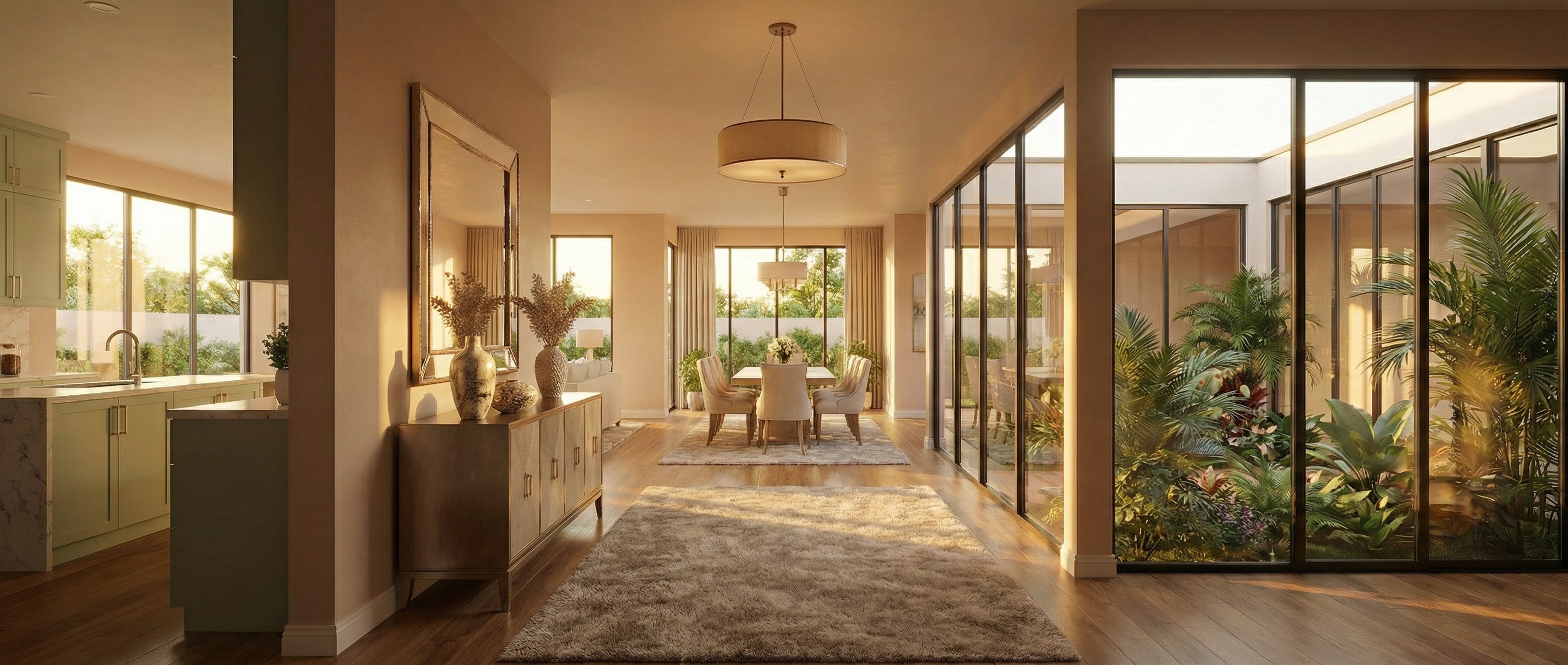
Look closer: when a guest or future buyer steps onto your property, their brain makes a subconscious judgment within 7 seconds—a core principle of visual Gestalt psychology. They don't immediately inspect your plumbing lines or evaluate cabinet door hinges. They absorb macro-level visual anchors: lighting, contrast, spatial flow, and material depth.
To avoid decision paralysis—a classic application of Hick’s Law—focus your immediate budget on high-impact visual priorities rather than scattering funds across minor, disjointed upgrades.
Think about it this way: if your entry hall features mismatched flooring, dark shadows, and dated builder-grade hardware, even an expensive interior makeover will feel uncoordinated.
Establishing visual harmony early creates a sense of luxury throughout the house. By focusing on valuable home improvements that align material finishes and spatial sightlines, you elevate the entire property's perceived value instantly.
Improve the Kitchen Without Overbuilding It
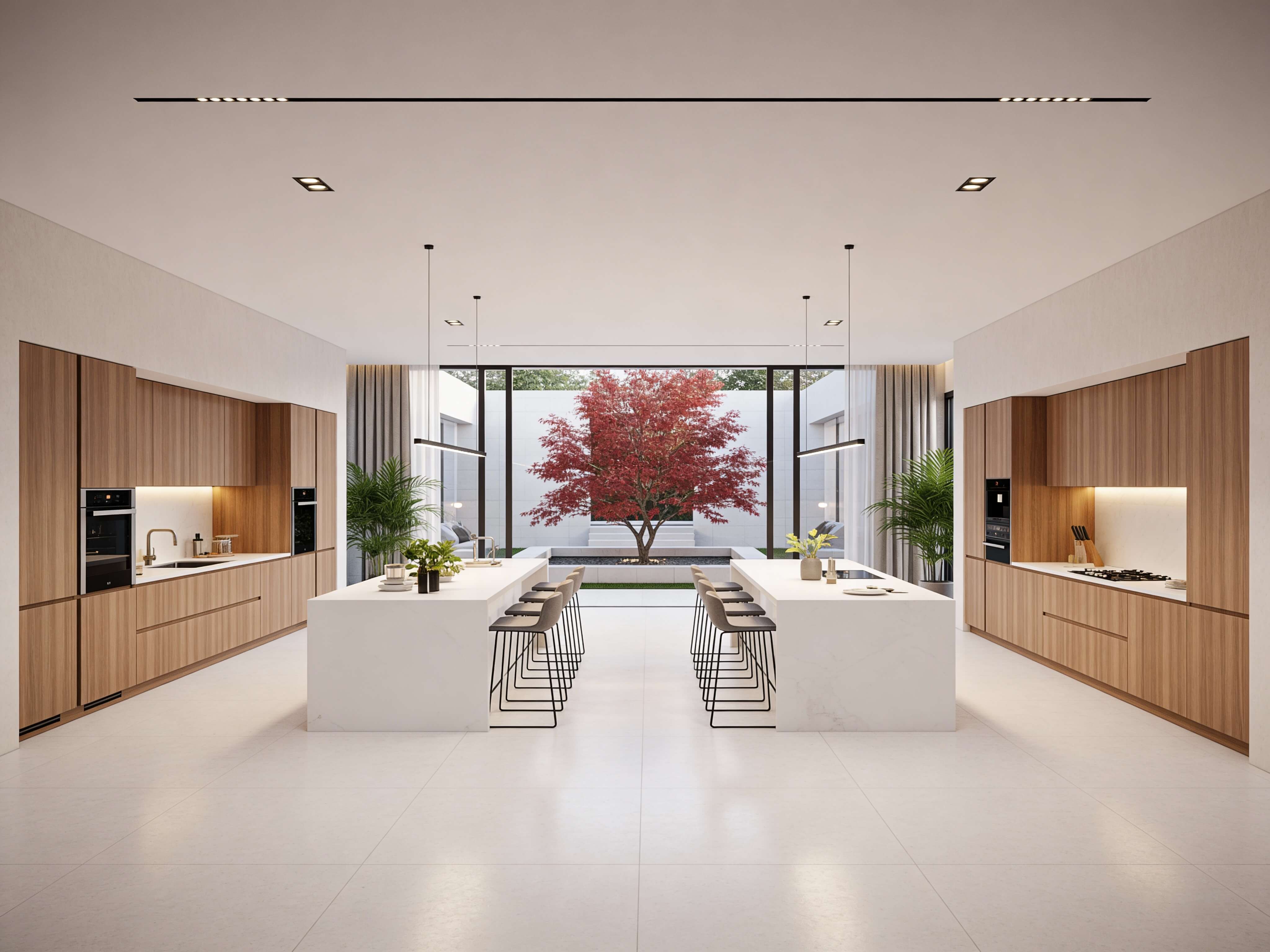
The kitchen is universally recognized as the heart of the home, but it is also where homeowners are most likely to overspend. Blowing $150,000 on a complete gut renovation rarely yields a 100% financial return at appraisal time.
The secret to maximizing kitchen improvements that add value lies in targeted, high-impact refinements rather than destructive tearing down of walls.
And it gets better: you can achieve a luxury chef's kitchen feel without moving gas lines or structural walls:
- Cabinet Refacing & Painting: If your cabinet boxes are structurally sound, re-facing or applying a factory-grade spray coat in warm neutrals instantly modernizes the room.
- Seamless Quartz Countertops: Replacing stained laminate or busy granite with clean quartz countertops creates an elevated surface.
- Architectural Hardware & Layered Task Lighting: Swapping tiny cabinet pulls for substantial brass hardware and adding under-cabinet LED task strip lights builds depth without high costs.
Focusing on functional flow and surface quality allows you to enjoy a luxury cooking space today while keeping your investment completely safe.
Make the Bathroom Feel Newer
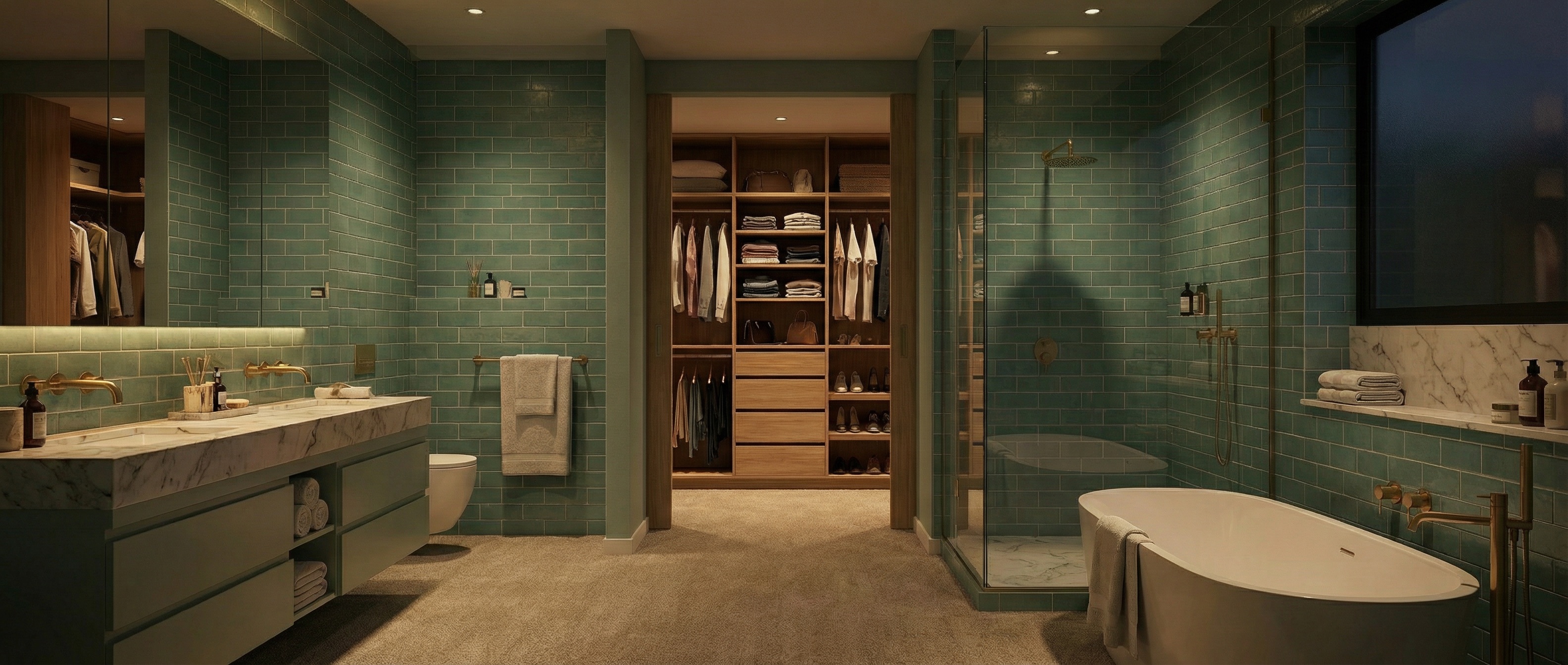
A dated, cramped bathroom instantly drags down an otherwise modern property. However, full bathroom overhauls often stall out due to complex plumbing relocations and tile lead times.
To execute effective bathroom improvements that add value, focus on surface contrast, spatial cleanliness, and water efficiency while keeping existing utility layouts intact.
Pay attention to this detail: removing an old plastic tub surround and replacing it with full-height tile and a frameless glass door creates an open visual feel. Floating vanities reveal more floor area, tricking the human eye into perceiving a small room as significantly larger.
These high-yield surface adjustments make your morning routine feel like a spa visit without burning through your savings.
Improve Energy Efficiency
Here’s the reality: modern buyers are increasingly hyper-focused on monthly operating costs. High energy bills caused by leaky single-pane glass, uninsulated attics, and aging HVAC systems actively depress a home's market value.
Investing in energy efficient home improvements provides a powerful dual benefit: you cut your utility expenses immediately while stacking long-term structural equity.
- Attic Insulation & Air Sealing: Spraying blown-in cellulose insulation into your attic space is one of the single highest-ROI energy upgrades available, dramatically reducing thermal loss year-round.
- Architectural Low-E Windows: Upgrading to insulated, double-pane glass stops heat transfer, eliminates interior drafts, and blocks outside street noise.
- Smart Climate Management: Installing smart thermostats optimizes heating and cooling schedules based on real-time room occupancy.
By lowering monthly overhead, you turn your home into an efficient asset that appeals to both your wallet and security-conscious buyers.
Fix Problems Before Adding Features
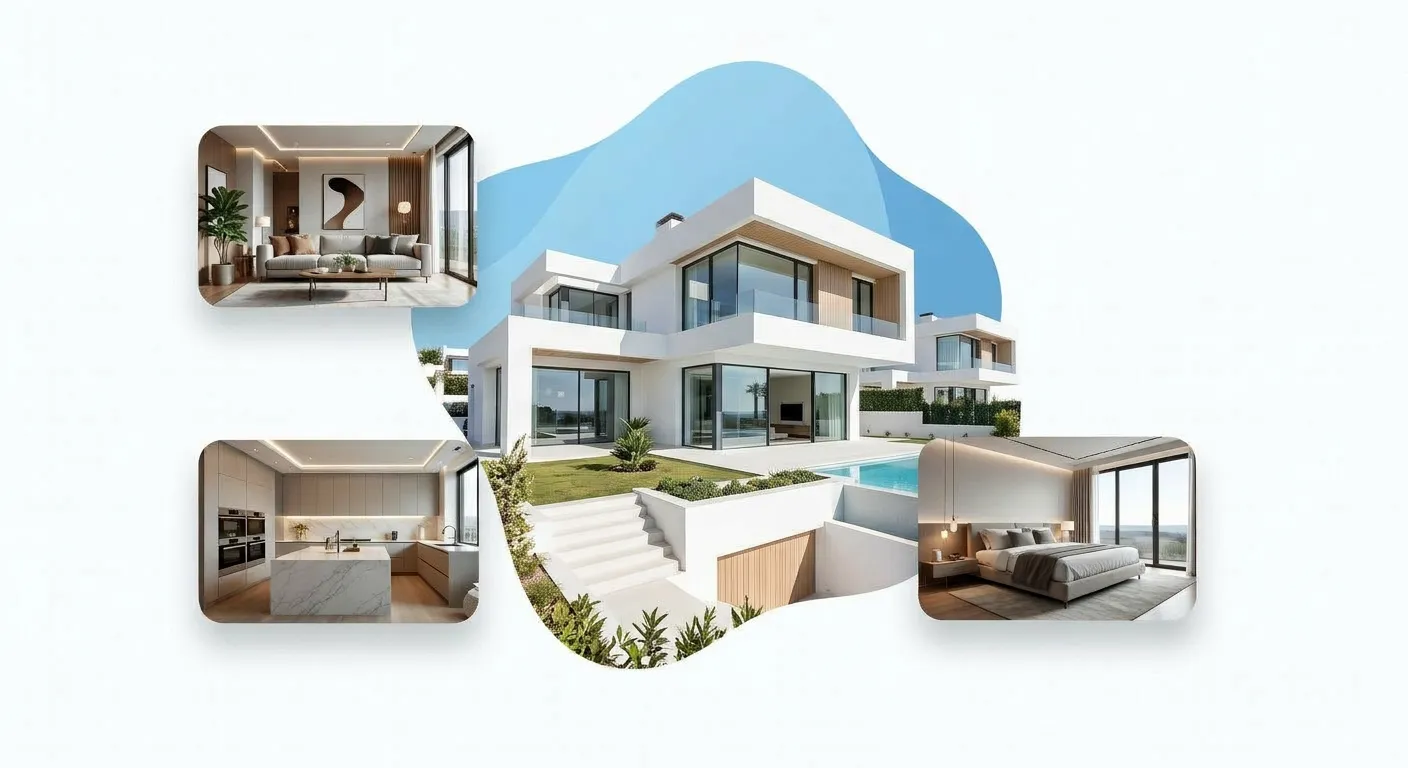
Look closer: nothing destroys buyer confidence faster than walking into a home with a brand-new marble kitchen island, only to notice water stains on the ceiling or a sagging roofline.
Applying Loss Avoidance principles reveals that people weigh negative defects far more heavily than cosmetic additions. Before spending money on luxury decorative finishes, you must address underlying structural and maintenance issues.
- Water Intrusion & Roofing: Repair leaks, upgrade flashing, and clear gutters immediately. Water damage is a property's worst enemy.
- Structural Foundation & Drainage: Ensure exterior grading slopes away from foundation walls to prevent water buildup and basement dampness.
- Core Mechanical Systems: Replace aging water heaters, outdated electrical panels, and rusted galvanized plumbing before pursuing decorative work.
Clearing these maintenance hurdles ensures that every dollar spent on subsequent cosmetic improvements builds on a solid foundation.
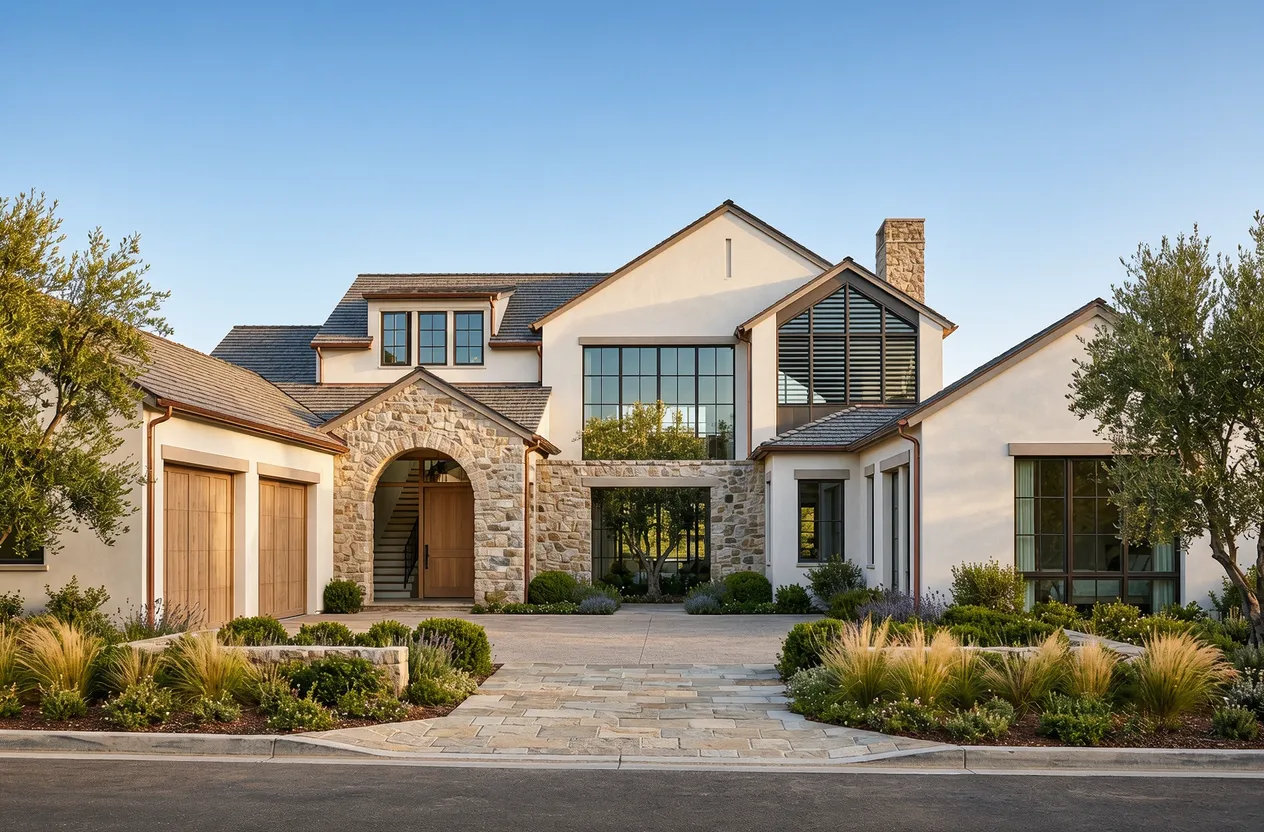
Improve the House Exterior and Curb Appeal
Your home’s facade is its public introduction. An outdated exterior makes a home look neglected, while a polished facade commands immediate respect across the neighborhood.
Executing targeted exterior improvements that add value delivers incredible equity returns per dollar spent.
Think about it: replacing a thin builder-grade door with a substantial wood entry, painting window trim in a dark bronze shade, and framing the walkway with warm LED lighting transforms your home's appearance.
These exterior updates set an upscale tone long before anyone steps inside.
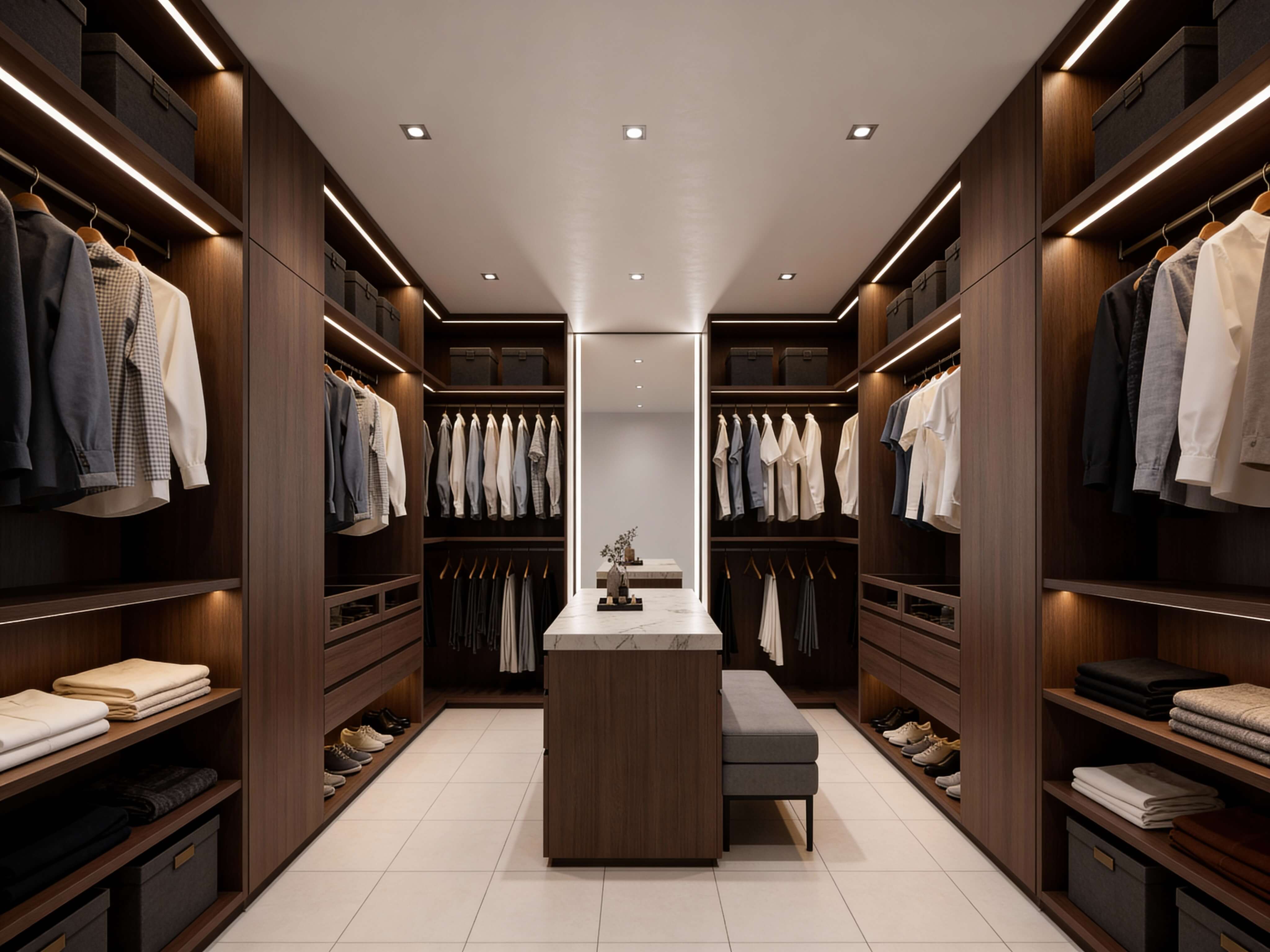
Improve Storage and Everyday Function
Here’s why so many houses feel uncomfortable: they suffer from spatial clutter and poor storage organization rather than a lack of square footage.
Adding smart, built-in storage solutions solves daily functional friction while dramatically increasing the home's usability and buyer appeal.
Built-in storage turns dead space into usable functional capacity. A custom entryway mudroom bench, structured closet shelving, or a tall kitchen pull-out pantry keeps daily life tidy.
When every item has an organized home, living in your space becomes effortless and enjoyable.
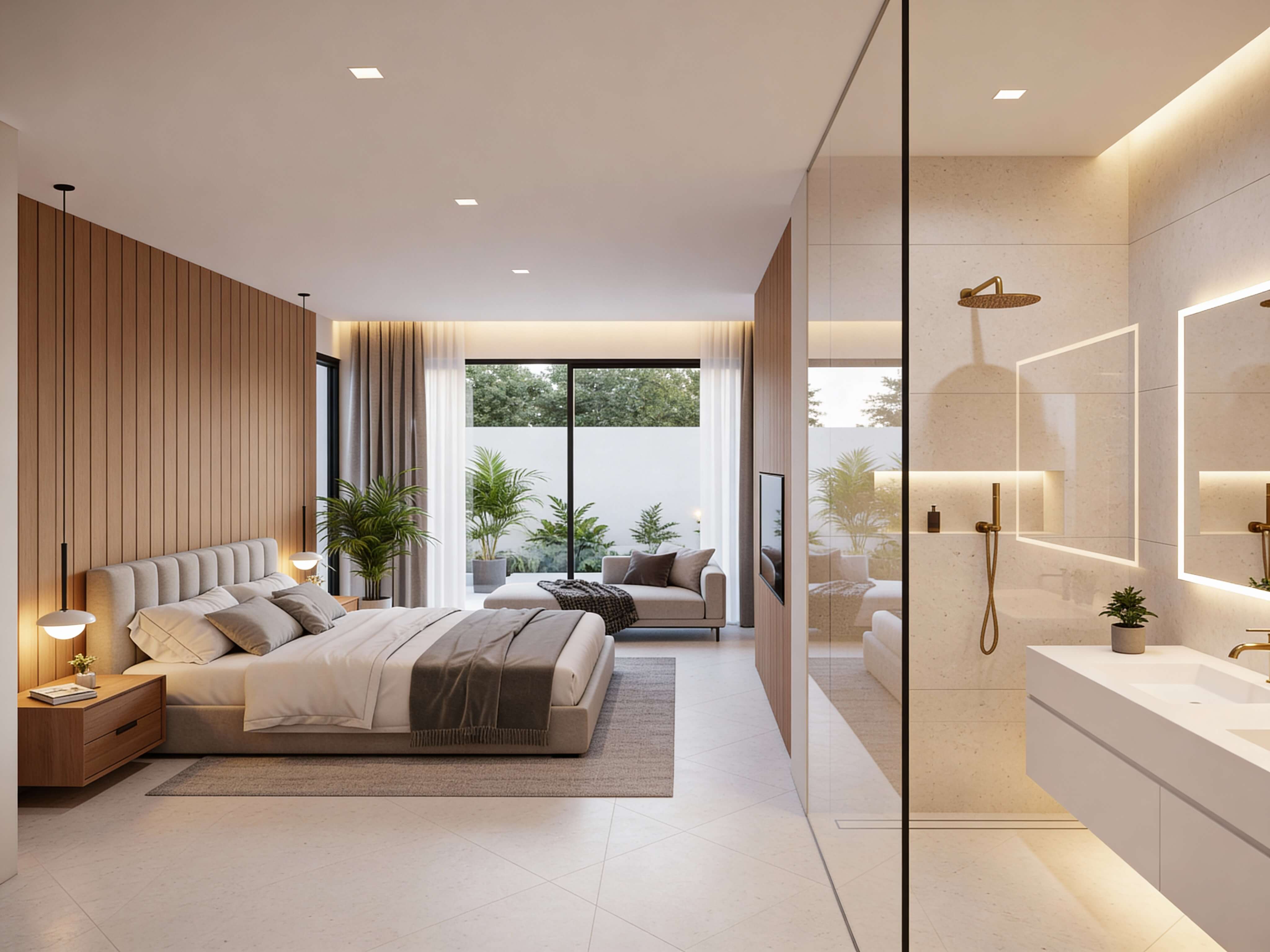
Make the Home More Comfortable and Livable
Focusing solely on resale value can lead to living in a clinical, sterile environment that lacks warmth. True property value must include your everyday quality of life while you inhabit the home.
Focusing on home comfort upgrades ensures that you actually enjoy your space every day:
- Acoustic Isolation: Swapping hollow-core interior doors for solid-core doors absorbs sound between bedrooms and living spaces, creating a quiet atmosphere.
- Radiant Floor Heating: Adding low-voltage electric radiant heating beneath bathroom tile floors provides subtle, comforting warmth during cold mornings.
- Seamless Indoor-Outdoor Flow: Installing wide sliding glass doors connects your interior living room directly to outdoor patio zones, expanding your functional footprint.
These lifestyle upgrades bring daily satisfaction to your routine while adding distinct custom touches that set your property apart.
Choose Improvements That Fit the Neighborhood
Pay attention to this warning: over-improving a home beyond its neighborhood ceiling is a major financial trap.
If homes in your area sell for $500,000, investing $250,000 in ultra-luxury finishes will result in over-capitalization. You will never recoup that money at resale because the surrounding real estate sets a firm cap on your property value.
To protect your investment, walk through recent neighborhood sales and match your material selections to the top 10% of surrounding homes.
Staying within local design benchmarks ensures that every dollar spent directly enhances market value without overshooting neighborhood limits.
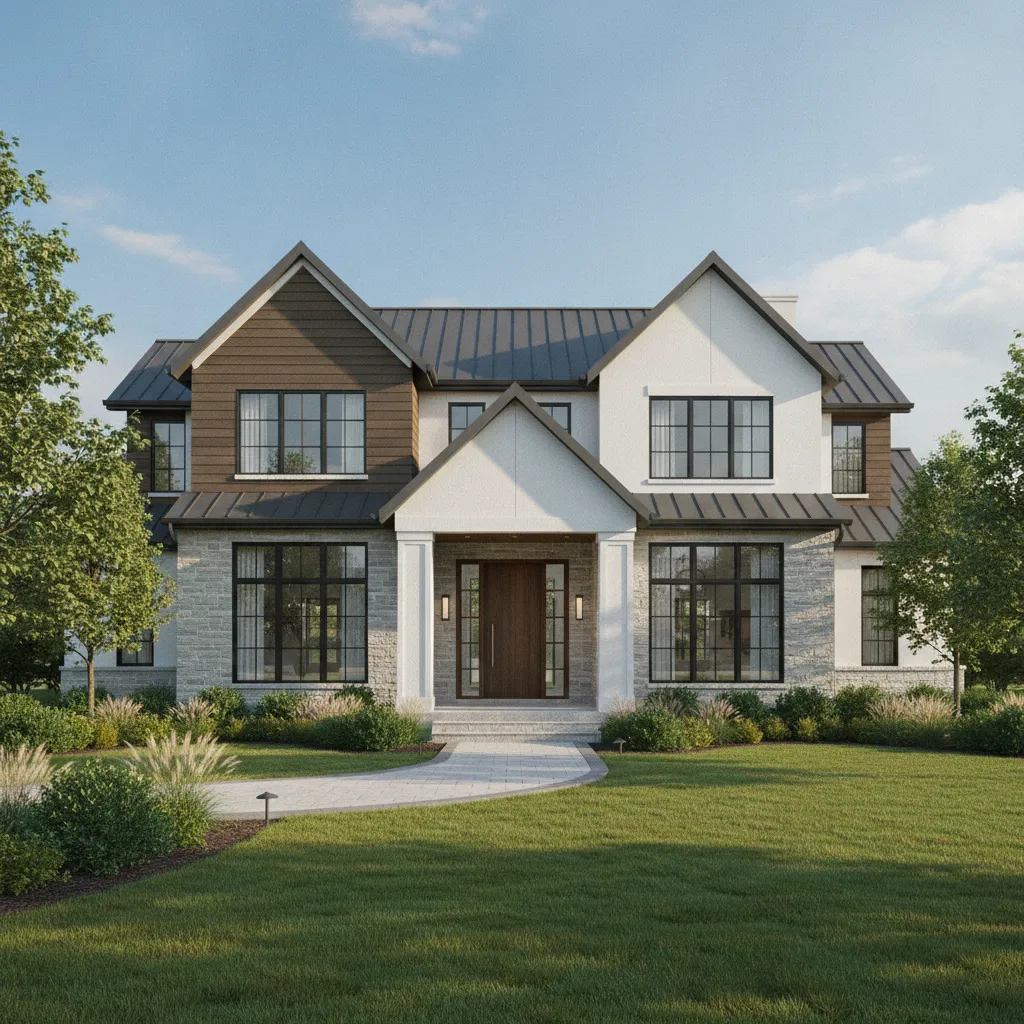
Compare the Home Before and After the Improvements
Picture this: the biggest hurdle in home improvement is trying to predict how paint colors, cabinetry finishes, window trims, and furniture layouts will interact before committing your money.
Homeowners routinely suffer from design hesitation because small physical swatches look entirely different once applied across an entire room or exterior wall.
This is where modern visual intelligence simplifies your planning process. You don't need to struggle through trial-and-error furniture placements, stress over complex architectural drawings, or hire expensive design firms just to see what is possible.
By using DesignHome Synthesis™, you can upload your existing room photos or floor plans into an intuitive layout intelligence system to explore tailored 3D spatial concepts in minutes.
Unlike generic design apps, DesignHome Synthesis™ evaluates advanced architectural models and future trend projections. This ensures your home improvements stay timeless, modern, and visually compelling for the next decade.
You can test kitchen island footprints, try open-concept layouts, swap exterior cladding textures, and test 2700K lighting schemes side-by-side.
Visualizing changes beforehand eliminates costly guesswork, saving you time and giving you complete confidence in every design choice.
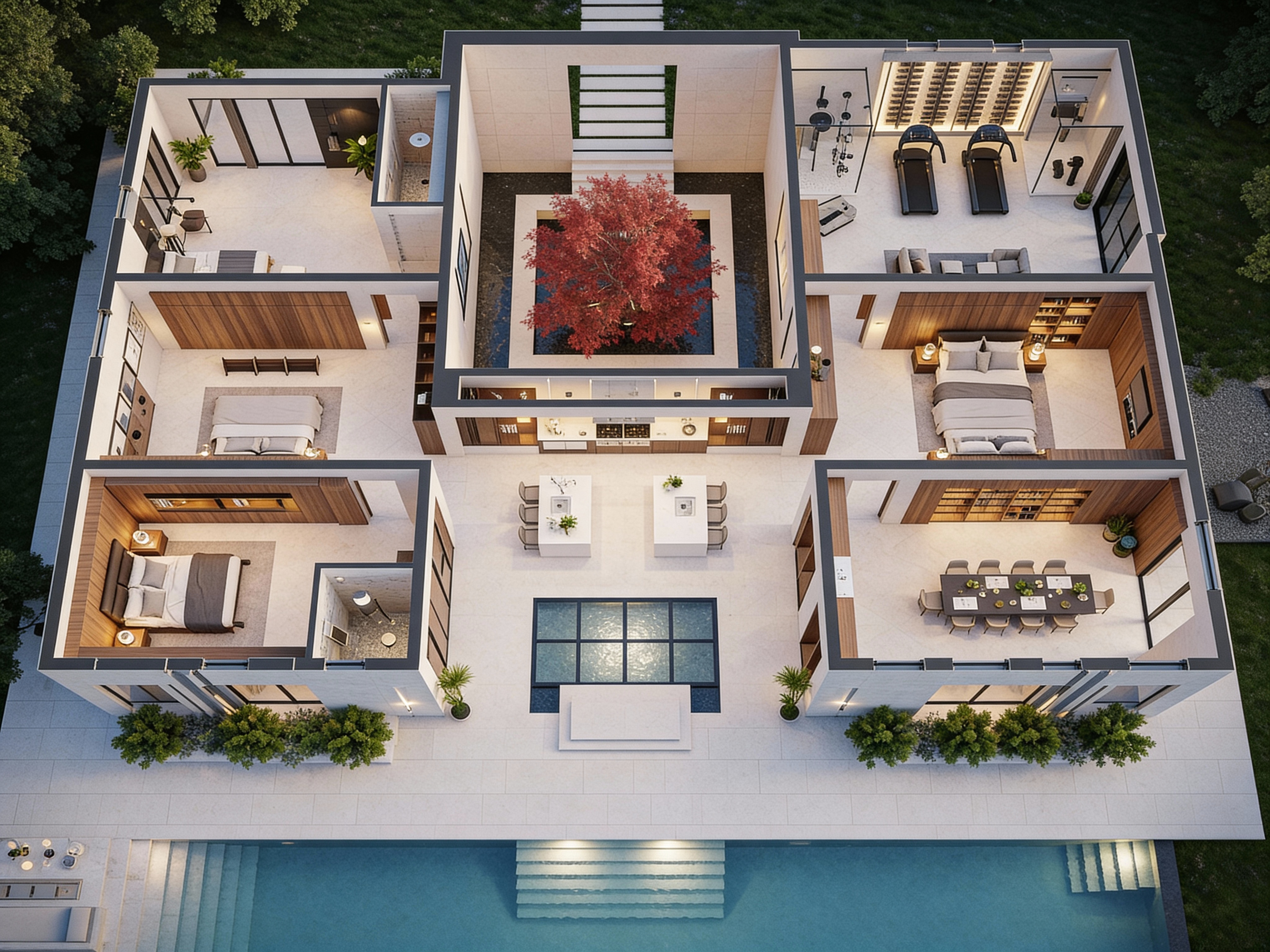
Create a Home Improvement Plan Based on Value
Now it is time to turn your research into an actionable, stress-free strategy. Use this prioritized roadmap to execute your value-driven home improvement plan smoothly while protecting your budget:
- Phase 1 (Essential Protection): Clear out underlying repairs, roof issues, and energy leaks to secure your building envelope.
- Phase 2 (Primary Visual Anchors): Upgrade your entrance door, widen window trims, and install warm 2700K lighting to create immediate visual impact.
- Phase 3 (Core Interior Upgrades): Execute high-yield kitchen and bathroom updates focused on clean surfaces, seamless counters, and modern fixtures.
- Phase 4 (Storage & Curb Appeal): Build custom closet organization, refine your exterior landscape framing, and expand walkway paving.
By following a clear plan and using digital tools like DesignHome Synthesis™ to test ideas beforehand, you take the headache out of home improvement.
You build a personalized, timeless, and enjoyable space that brings you daily pride while securing your property's value for years to come.
Home Improvements That Add Value: Critical Questions Answered
Not all home renovations are created equal. While knocking down walls or installing a spa-grade soaking tub might sound appealing, the real estate market measures value through a very specific lens: marketability, functional square footage, and cost-to-value return at appraisal.
Before you hire a general contractor or drain your equity, understand which upgrades consistently yield a profit—and which ones merely subsidize the next owner's lifestyle.
Here are the 12 definitive answers to your highest-stakes remodeling and value questions.
Which home improvements yield the highest overall return on investment (ROI)?
Exterior curb appeal and functional entry points historically deliver the highest percentage returns. Standard upgrades like garage door replacements, manufactured stone veneer accents, and steel entry door swaps regularly recoup 85% to 100%+ of their costs upon resale. Indoors, minor kitchen updates (refacing cabinets, upgrading hardware, fresh countertops) significantly outperform lavish, full-scale gut remodels in pure cost-to-value efficiency.
2. Does a minor kitchen remodel add more proportional value than a major luxury overhaul?
Yes, by a wide margin. A minor kitchen update—focused on surface aesthetics, updated energy-efficient appliances, durable quartz countertops, and modern lighting—typically recovers around 70% to 80% of its total outlay. Conversely, a high-end luxury overhaul involving custom cabinetry and structural layout alterations often recovers only 50% to 60%. Buyers buy function and clean visual presentation; they rarely pay dollar-for-dollar for exotic finishes.
How much value does adding an extra bathroom really bring?
Adding a bathroom increases home value significantly, especially if your current layout forces a ratio of more than two bedrooms per bathroom. Converting underutilized footprint into a full or half-bath can increase your property's value by 10% to 20%, depending on regional market norms. The key is ensuring the new bath doesn't destroy essential storage or cannibalize a primary bedroom's floor area.
Are energy-efficient upgrades actually recognized by home appraisers?
Appraisers and modern home buyers increasingly prioritize measurable operating costs. Heat pump water heaters, high-efficiency HVAC units, insulated exterior siding, and modern double-pane windows directly improve energy ratings. Beyond immediate monthly utility savings, these upgrades give listings a distinct marketing advantage over comparable properties with aging mechanical systems.
Do swimming pools and luxury additions actually lower a home's pool of buyers?
In most non-tropical climates, an in-ground pool can actually reduce your home's total buyer pool due to maintenance costs, liability concerns, and lost yard space. While a pool might appeal to a select group of buyers, it rarely returns more than 40% to 50% of its installation cost. High-end additions like home theaters or built-in wine cellars face similar hurdles—they are often too hyper-specific to yield a broad financial return.
How do I calculate my neighborhood's "renovation ceiling"?
Your neighborhood's price ceiling is established by the highest recent sales of similar square-footage homes within a 0.5-mile radius. If the maximum sale price in your immediate area is $600,000, investing $150,000 into a $500,000 house will not magically make it worth $650,000. Appraisers rely strictly on local comps; over-improving beyond your street's established maximum leads directly to lost equity.
Does finishing a basement officially increase livable square footage?
Below-grade (basement) square footage is valued differently than above-grade living space, but it still adds substantial overall market value. To maximize equity, a finished basement must meet local egress window codes, offer adequate ceiling height, include proper moisture mitigation, and maintain consistent heating/cooling systems. A properly finished basement functions as a high-value flex room, guest suite, or secondary living space.
How can I visualize high-ROI home improvements before spending thousands on contractors?
Testing material choices, floor plan changes, and color palettes shouldn't require hiring an expensive design agency or spending weeks learning complex architectural software.
With DesignHome Synthesis™, you can easily upload photos or sketches of your home to test custom layouts, exterior siding changes, trim options, and interior room flow instantly. You get to experiment with dozens of high-value design variations in real-time, saving thousands in draft fees while making confident design decisions that directly protect your renovation ROI.
How should I sequence renovations if I plan to sell in 1 to 3 years?
Focus your capital on structural integrity and mechanical updates first (roof, HVAC, water heater), followed immediately by high-visibility surface upgrades (kitchen cabinets, bath vanities, fresh paint, curb appeal). Save deep structural footprint alterations or luxury personal custom builds for homes you plan to occupy for 7 to 10 years or longer, allowing you to amortize the lifestyle enjoyment against the initial construction investment.


