

Living in a room with flat, sterile, or boring wall paint alters your daily energy more than you might realize. When you are frustrated by cold walls and tired of seeing an uninspiring space every time you step through the door, it becomes clear: finding the right color is the single best thing you can do before decorating.
Color defines how you live. The right paint shade turns an empty-feeling box into an inviting sanctuary, wrapping your space in warmth and comfort.
If you are ready to transform your living space, this comprehensive guide walks you through every step of choosing, matching, and previewing the perfect palette.
Colors That Make a Room Feel Cozier
Look around your room right now. Does it feel cold, cavernous, or detached?
When a space feels empty, the culprit is rarely a lack of furniture—it is almost always an uninspired wall color. Standard builder-grade stark whites reflect light indiscriminately, bouncing cold illumination into every corner and leaving your home feeling institutional.
Here’s the secret: colors that make a room feel cozier rely on warm undertones (yellow, red, orange, or brown bases) that visually advance, bringing the walls slightly inward toward the eye.
When you select true cozy room colors, you change the physical perception of the room's temperature and scale:
- Warmth Over Glare: Replacing stark whites with cozy paint colors reduces eye strain and softens harsh daylight.
- Emotional Grounding: Deep or warm-pigmented shades absorb excess bounce-light, creating a grounded atmosphere where you can actually relax.
- Cohesive Backdrop: Warm room colors tie disparate furniture, wood grains, and textiles into a unified environment rather than letting them float awkwardly against a blank slate.
If you are looking to narrow down your color direction, explore our guide on Warm Paint Colors That Make a Room Feel Welcoming.
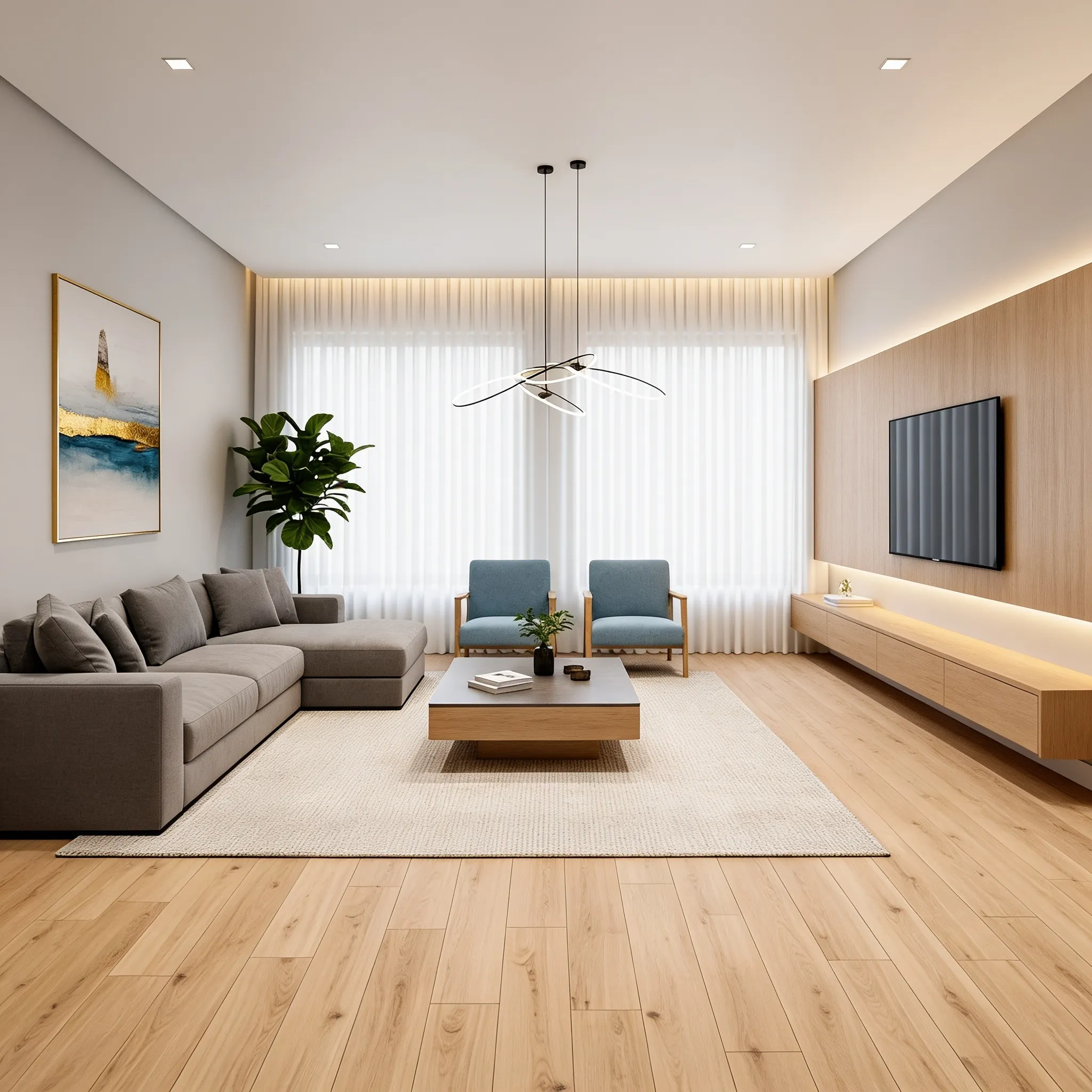
Warm Paint Colors That Make a Room Feel Welcoming
Let's be honest: wanting a cozy space doesn't mean you want to feel like you are sitting inside a dim cave.
The goal of using warm paint colors is to introduce inviting depth while keeping your room airy, open, and luminous.
When evaluating warm colors for rooms, focus on muted pigment intensities rather than bright primary hues:
- Honeyed Ochre: Brings golden morning light into dark, north-facing spaces without feeling loud or overwhelming.
- Warm Greige: Blends neutral gray with umber and cream undertones, making it one of the most versatile warm wall colors for open floor plans.
- Soft Rust & Clay: Adds rich, inviting personality to dining spaces and reading nooks while harmonizing with wood furniture.
By selecting warm interior paint colors with balanced undertones, you elevate your warm home colors without sacrificing ambient daylight.
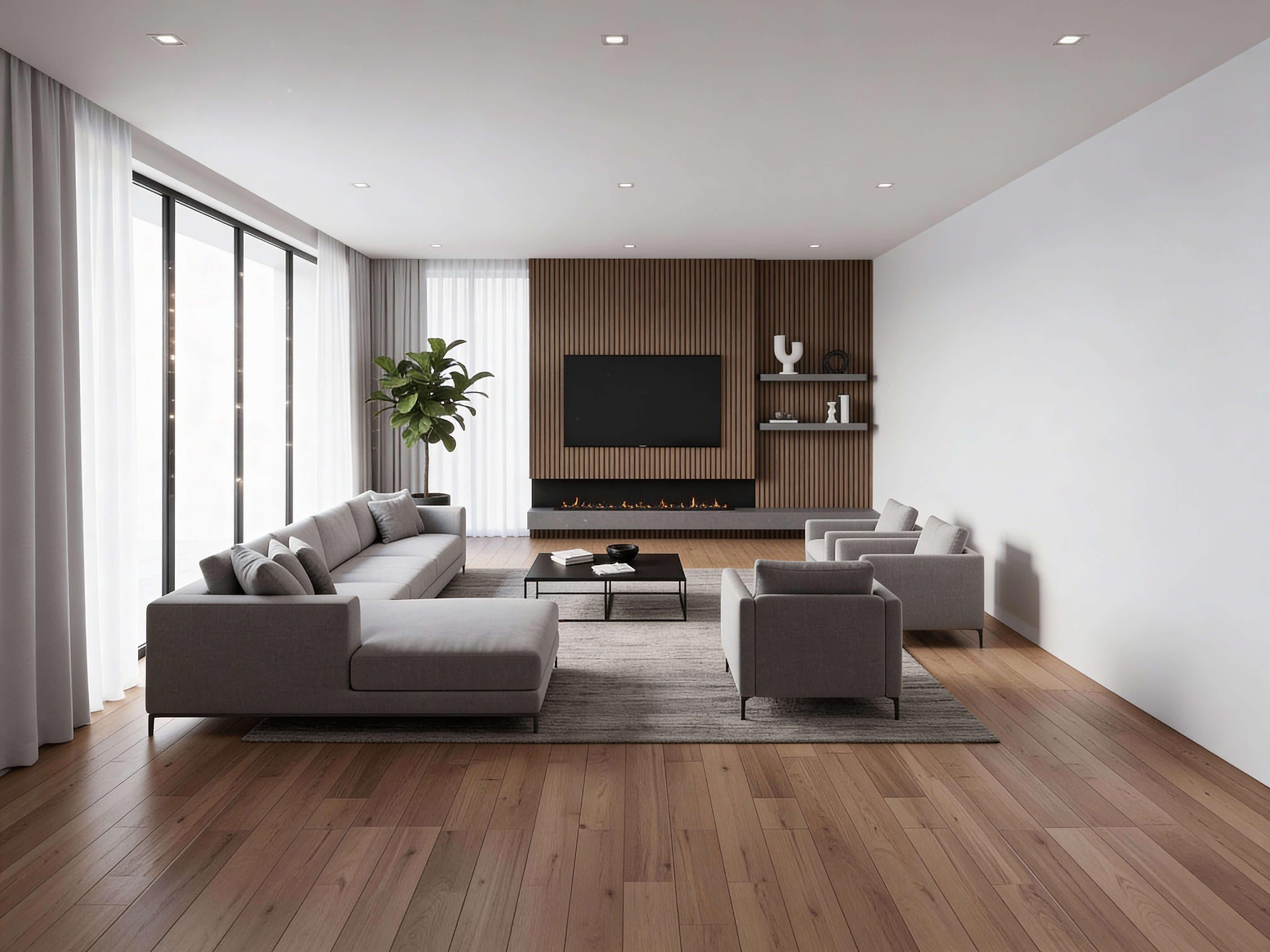
Soft Neutrals for a Cozy, Relaxed Room
Perhaps you prefer a clean, minimalist look, but your current neutral walls feel too plain, flat, and clinical.
You don't need bold, vibrant paint to achieve warmth. You can establish a relaxing atmosphere using cozy neutral colors that rely on subtle undertone layering.
The human mind seeks visual cohesion. When walls, trim, and textiles share warm neutral undertones, the room reads as a single, harmonious environment rather than a collection of disjointed objects.
Here is how to make a neutral palette feel incredibly comfortable:
- Ditch "Pure Gray": Replace cool blue-grays with warm neutral paint colors containing subtle taupe or beige bases.
- Layer Texture: Pair a cozy neutral room with natural wood, linen drapery, and woven rugs so the walls complement organic materials.
- Harmonize Social Hubs: Choosing cohesive neutral colors for living room layouts lets your furniture take center stage while keeping the background soft and inviting.
If you love subtle tones, check out our breakdown of Best Beige and Cream Colors for a Cozy Room.

Best Beige and Cream Colors for a Cozy Room
Think beige is dated? Think again. The key difference between a dreary 1990s builder beige and modern beige and cream room colors lies entirely in pigment undertones and light reflection.
Too many choices can trigger decision paralysis. To simplify your paint selection, focus on these four proven categories of light warm neutrals:
Here's how to narrow down these options:
- Cozy Beige Room Schemes: Look for beiges infused with gray or umber (greige) to prevent yellowing under evening lamps.
- Cream Wall Colors: Opt for creams with oatmeal or alabaster undertones rather than stark yellow bases to keep your walls looking refined.
- Warm Beige Paint Application: Use a single shade across both walls and trim—varying only the sheen—to create a seamless, enveloping aesthetic.
By narrowing your focus to these core cream paint colors, you can make a dark or cold room feel instantly softer without overwhelming the eye.
Earthy Colors That Make a Room Feel Warm
If you want your living space to feel grounded, secure, and deeply connected to nature, look to organic pigments.
Using earthy colors for rooms creates an inviting, tactile environment that feels timeless and comforting.
Think about it: natural landscapes feel inherently balanced because earth tones seamlessly blend warm clay, deep forest canopy, and weathered stone.
- Terracotta Room Elements: Terracotta brings rich, sun-baked clay warmth to accent walls or dining rooms, pairing beautifully with natural oak.
- Olive Green Room Accents: Unlike cool mint or emerald, olive contains strong yellow undertones, making it one of the most relaxing earthy room colors.
- Brown Room Colors: Muted cocoa and warm taupe bring immediate depth to sitting rooms, creating a cozy back-drop for upholstered furniture.
Applying earthy paint colors gives your walls an effortless, organic character that never goes out of style.

Best Cozy Colors for a Living Room
As the central hub for relaxing and entertaining, your living room sets the emotional tone for your entire home.
Choosing the best cozy colors for a living room requires balancing personal comfort with a warm, welcoming presence for guests.
Here is how to execute your cozy living room ideas:
- Evaluate Living Room Paint Colors: Test how your chosen shade looks alongside your sofa fabrics, flooring, and fireplace masonry.
- Balance Warm Living Room Colors: If you choose a deep or rich wall paint, pair it with light neutral drapes and warm wood accents to keep the room visually balanced.
- Create Intentional Transitions: Ensure your warm colors for living room walls transition smoothly into adjacent hallways and dining areas.
To learn how to extend these living room tones across your furniture and decor, jump to How to Combine Colors for a Cozy Room.

Bedroom Colors That Feel Warm and Cozy
Your bedroom is your private sanctuary—a space meant for rest, unwinding, and peaceful sleep at the end of a long day.
When selecting cozy bedroom colors, prioritize muted pigments that promote relaxation and lower visual stimulation at night.
To create a peaceful bedroom layout:
- Select Relaxing Bedroom Colors: Muted blues with warm red undertones, soft dusty roses, and deep sage greens promote restful sleep.
- Apply Cozy Bedroom Paint Colors: Paint the baseboards and trim in the same warm hue as the walls to eliminate distracting color breaks.
- Optimize Evening Lighting: Pair warm bedroom colors with 2700K warm LED lamps to turn your bedroom into an inviting retreat as night falls.
Applying these bedroom paint colors creates a comforting space that helps you recharge every night.
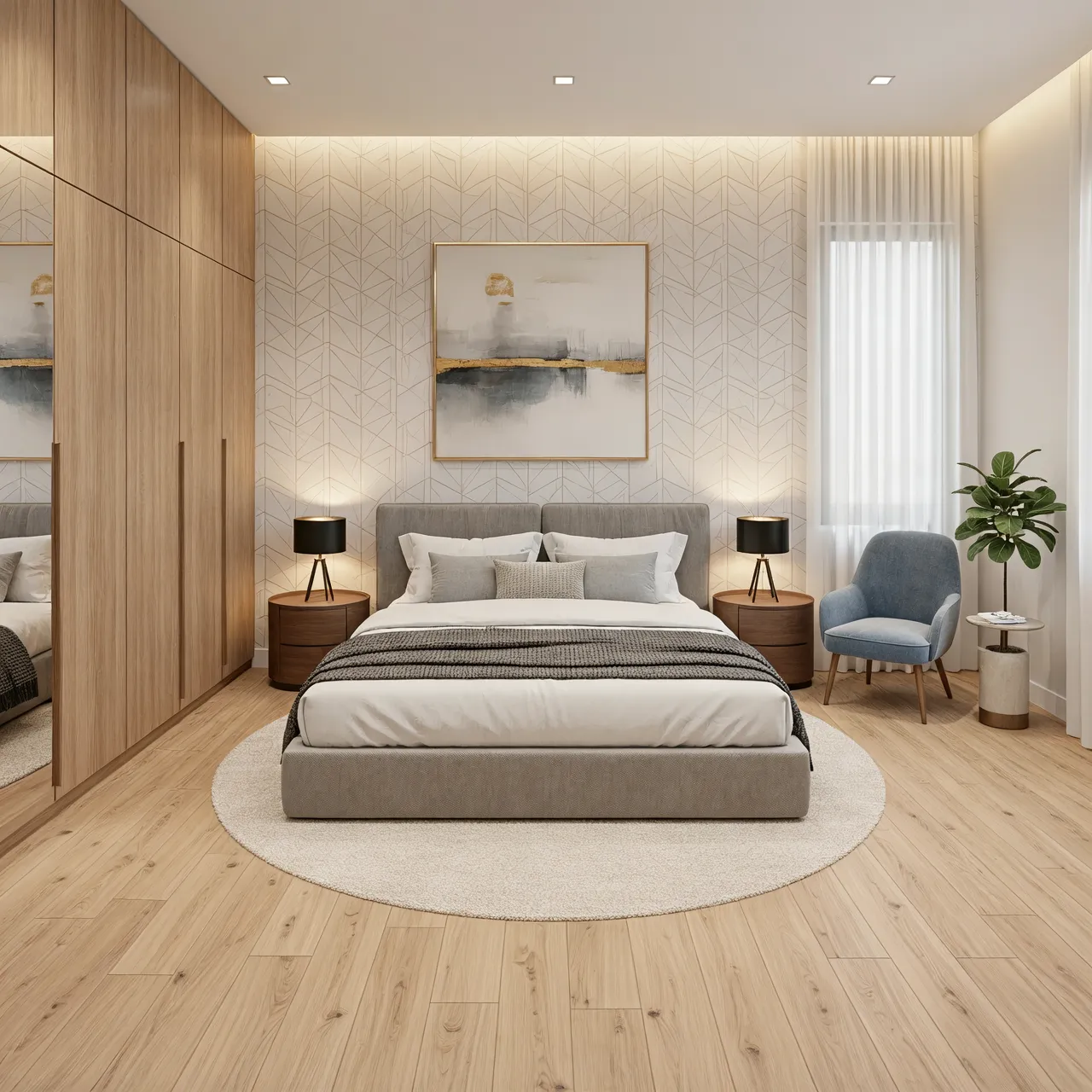
Cozy Kitchen Colors That Still Feel Fresh
The kitchen is the heart of the home, but it presents a unique design challenge: you want it to feel warm and inviting, yet clean, open, and functional.
To achieve this balance, cozy kitchen colors should incorporate warm undertones without making cooking areas feel heavy or dark.
Familiar Expectations (Jakob's Law): We expect kitchens to feel bright, clean, and hygienic. Blending warm tones with fresh, light-reflective surfaces creates comfort while maintaining a clean, modern workspace.
Try these cozy kitchen ideas in your space:
- Use Warm Neutral Kitchen Colors: Soft alabaster or warm taupe walls brighten cabinet finishes without the clinical feel of stark white.
- Warm Up Kitchen Paint Colors: If your kitchen features cold stainless steel appliances, introduce warm kitchen colors on cabinetry or kitchen islands to soften the industrial look.
- Add Natural Accents: Pair warm wall paint with butcher block islands, brass hardware, and warm ambient lighting.
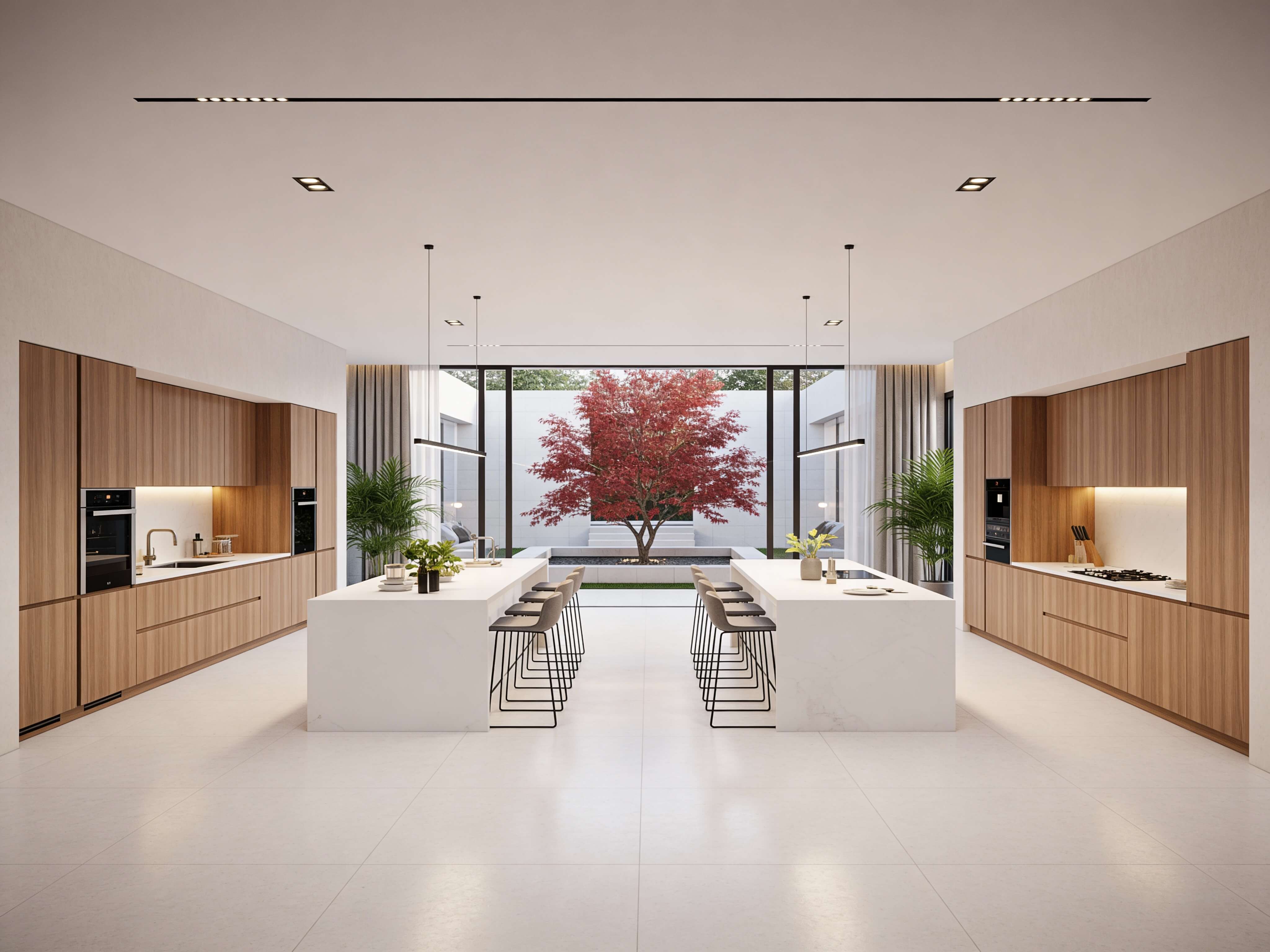
How to Combine Colors for a Cozy Room
Selecting a single wall shade is a great start, but true cozy design relies on building a cohesive, layered palette across walls, trim, furniture, and accents.
To build harmonious cozy color combinations, apply the proven 60-30-10 palette framework:
Follow this strategy to coordinate warm color combinations:
- Establish the Primary Wall Base (60%): Choose your core wall color using a warm neutral or soft earthy tone.
- Layer Secondary Elements (30%): Select complementary shades for upholstery, area rugs, and window treatments.
- Add High-Impact Accents (10%): Introduce deeper accent hues on throw pillows, artwork, and decorative accessories to anchor the space.
Using structured room color schemes derived from a warm neutral color palette ensures every detail in your room works together seamlessly.
How Lighting Changes the Way Cozy Paint Colors Look
Have you ever picked a paint swatch in the store, brought it home, and wondered why it looks completely different on your wall?
This common frustration is caused by lighting shifts throughout the day. To choose paint colors with confidence, you must evaluate how light interacts with wall pigments.
Here's how to evaluate lighting and paint color in your space:
- Evaluate Natural Sunlight: Track how natural light moves across your walls from morning to evening before deciding on a shade.
- Balance North vs. South Light: North-facing rooms need warmer paint bases to counter cool daylight, while south-facing rooms can comfortably accommodate deeper, cooler tones.
- Match Artificial Lighting: Pair your warm paint palette with 2700K warm light paint colors to maintain a comfortable ambiance after sunset.
Understanding how lighting affects paint color prevents unexpected shade shifts and keeps your space looking its best around the clock.
To learn how to test these lighting shifts on your actual walls without making a mess, jump to our decision guide on How to Choose the Right Cozy Color for Your Room.
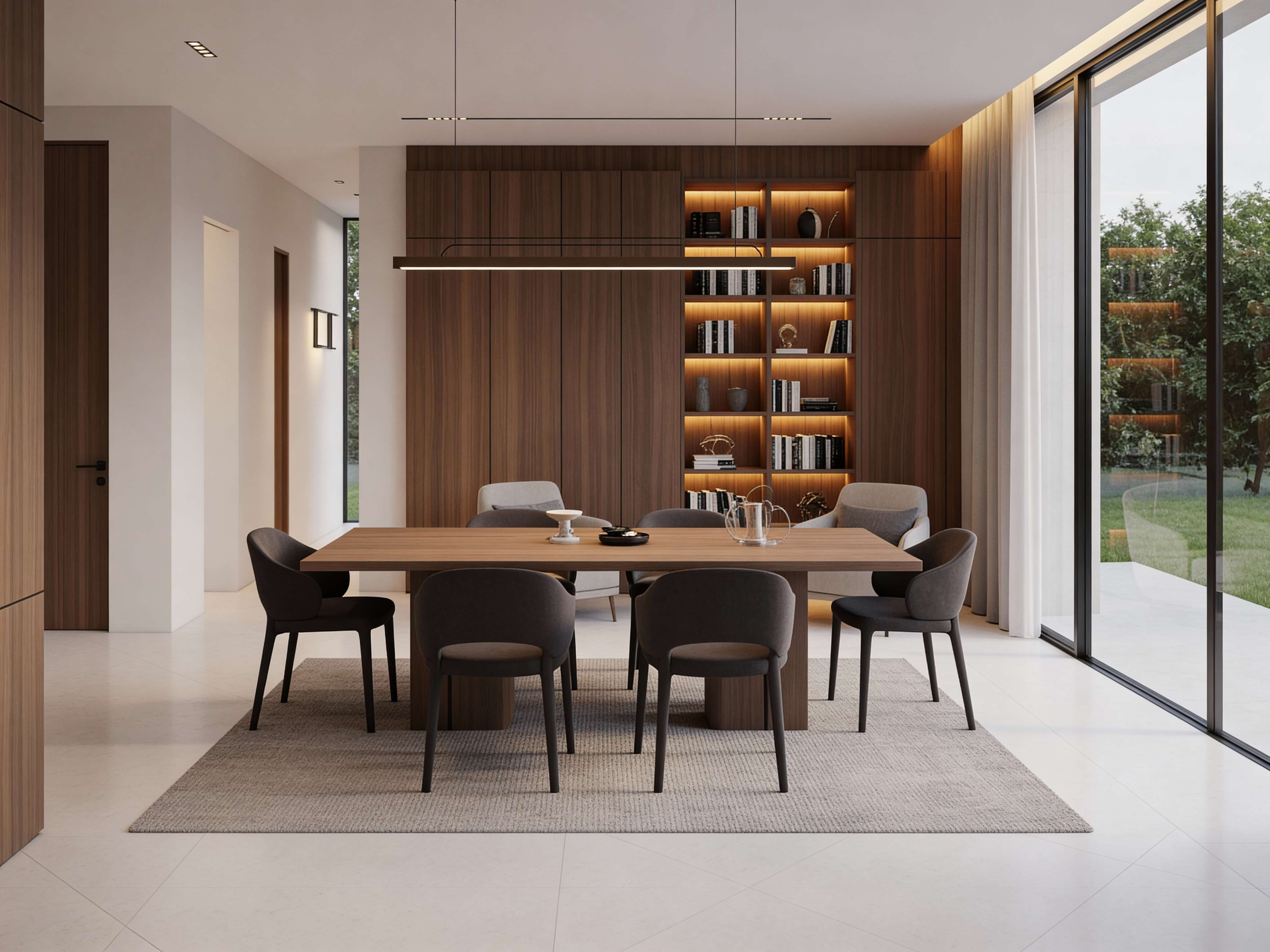
How to Choose the Right Cozy Color for Your Room
When faced with hundreds of paint swatches, it's easy to feel overwhelmed.
To streamline your paint color selection, follow this simple 4-step decision framework:
Use this checklist to choose wall colors confidently:
- Identify Fixed Architectural Tones: Match your paint options against non-negotiable features like hardwood flooring, fireplace masonry, and cabinetry.
- Account for Room Dimensions: Smaller rooms feel cozier with medium-to-deep warm tones, while larger spaces benefit from warm, light-reflective neutrals.
- Narrow Your Options: Limit your final options to three main candidates to avoid choice overload.
Following this structured approach to choosing paint colors takes the stress out of your home makeover, making it easy to create a space you'll love.
See How Different Colors Can Change the Feel of Your Room
Here’s the biggest hurdle in home decorating: trying to visualize how a tiny 2-inch paint swatch will look across an entire room.
Buying dozens of liquid sample pots, painting messy patches on your walls, and trying to guess how the final coat will look is messy, expensive, and stressful. On top of that, learning complex 3D design software or editing apps takes hours of tedious work you simply don't have time for.
You don't have to guess anymore.
• Paint messy patches on walls
• Guess lighting shifts at night
• Sand down paint ridges later
• Hit "Generate" for 3D preview
• Accurate lighting rendering
• Zero mess, instant results
Instead of relying on generic AI tools that generate unrealistic, stock-photo results, DesignHome Synthesis™ works differently. Our spatial technology analyzes your actual room photo—evaluating your real furniture layout, architectural details, and natural light sources.
Simply upload a single image of your room and hit generate.
In seconds, DesignHome Synthesis™ generates realistic previews of your space transformed with custom cozy palettes, rich warm accents, and harmonious trim contrasts. You can test dozens of wall colors instantly without touching a paintbrush or wasting money on sample cans.
Stop settling for cold, uninspiring walls. Take the guesswork out of decorating, protect your budget, and create a cozy, welcoming home you love coming back to every day.
FAQs About Cozier Room Paint Colors and Warm Interiors
What specific paint colors make a room feel cozier instantly?
Colors with warm undertones—such as rich terracotta, creamy alabaster, warm greige, deep forest green, chocolate brown, and muted ochre—immediately make a room feel cozier. Unlike cold, stark whites or icy grays, these warm shades absorb harsh daylight and create a soft, inviting atmosphere.
Does painting a room a dark color make it feel smaller or just cozy?
Dark paint doesn't automatically shrink a space; rather, it changes how your eyes perceive boundaries. Deep colors like navy, charcoal, or dark espresso cause the corners of a room to recede into shadow. This creates a cozy, enveloping "cocooning" effect that feels intimate and luxurious rather than tight or claustrophobic.
Can light paint colors still make a room feel warm and cozy?
Yes! You don't have to use dark paint to create warmth. Light neutrals with warm red, peach, or golden undertones—such as honey cream, warm oat, or soft greige—reflect ambient light gently while keeping the space feeling cozy and bright.
What color scheme works best for a cold, north-facing room?
North-facing rooms receive cool, bluish daylight that can make cool grays or pure whites look gloomy and cold. To make a north-facing room feel cozy, choose shades with clear warm base pigments:
- Warm Terracotta & Clay: Counteracts bluish daylight with golden-red warmth.
- Rich Butter Cream: Replaces gray shadows with sunny, inviting light.
- Muted Sage Green: Contains warm yellow undertones that balance cold northern light.
How do undertones affect how cozy a paint color feels?
Mass color is what you see on the surface, but undertones determine whether a room feels inviting or cold:
Rule of Thumb: Hold your paint chip against a piece of pure white printer paper in daylight. If you see subtle yellow, red, orange, or peach bases, it will create a cozy feel. If you spot blue, green, or violet bases, it will lean crisp and cool.
What paint finish or sheen makes wall colors feel the coziest?
Matte and flat paint sheens create the coziest appearance. Matte surfaces absorb light rather than bouncing it around, softening wall textures and hiding drywall flaws. Glossy or high-sheen finishes create harsh glare, which can make a warm color feel colder and less intimate.
Which room colors create the ultimate cozy bedroom for rest?
To design a restful, quiet bedroom, lean into low-chroma colors that lower visual stimulation:
What is "color drenching" and how does it increase room warmth?
Color drenching is the practice of painting walls, baseboards, window trim, door casings, and even ceilings in the exact same color family. By eliminating white trim borders that break up vertical lines, color drenching wraps the entire room in a single unified shade, creating a cozy atmosphere.
How can I make a large, cavernous living room feel warmer and more intimate?
To make a high-ceilinged or open-concept living room feel warmer:
- Use Saturated Mid-Tones: Swap out stark white paint for warm camel, clay, or rich greige.
- Bring the Ceiling Down: Paint the ceiling a shade slightly warmer or darker than the walls to lower the visual overhead plane.
- Anchor with Dark Accents: Pair warm walls with dark wood furniture, warm leather, and soft woven textiles.
Which cozy wall colors pair best with warm wood furniture and leather?
When styling camel leather, cognac chairs, or warm oak tables, choose wall shades that highlight those natural textures:
- Muted Olive & Sage: Sits opposite reddish wood tones, creating a cozy balance.
- Creamy Off-White: Allows rich leather and dark walnut to stand out without feeling stark.
- Deep Charcoal: Provides a dramatic backdrop that highlights warm wood grains.
How does lighting temperature impact cozy room paint colors?
The color temperature of your light bulbs plays a major role in how cozy your room paint looks after sunset:
- 2700K (Warm White): Heightens red, orange, and yellow undertones, maximizing cozy warmth.
- 3000K (Soft White): Maintains a balanced look across neutral and earthy walls.
- 4000K+ (Cool White): Flattens warm wall paint, making cozy rooms feel sterile and washed out.
How can I test cozy paint colors in my home without painting swatches on my walls?
You don't need to spend money on sample pots or paint messy patches across your drywall. Using DesignHome Synthesis™, you can upload a photo of your space to test custom warm paint colors in seconds. The platform automatically calculates your room's real-world lighting, shadows, and architectural details so you can visualize cozy room colors before buying paint.


