

You step out onto your back patio with a plate of grilled food, ready to enjoy a warm summer evening.
Five minutes later, you are balancing a hot dish on your lap, swatting away flies under a scorching sun, and tripping over garden hoses just to grab a napkin from the kitchen. You retreat indoors, sit back down at your dining table, and ask yourself: Why is eating outside such a frustrating hassle when I have a whole yard going to waste?
Here is the blunt truth of outdoor living: mastering backyard dining area ideas isn't about setting a plastic table on a patch of grass—it is about designing an intentional, friction-free zone that makes outdoor meals effortless.
An outdoor eating space fails when high-noon glare blinds your guests, when heavy dining chairs sink into soft lawn turf, and when constant trips to the indoor kitchen ruin your host flow. By selecting a prime location, installing low-glare shade anchors, choosing durable weather-resistant materials, and layering warm nighttime illumination, you can build a resort-quality alfresco dining sanctuary that elevates every weekend meal. For a related approach to outdoor hosting infrastructure, see our backyard entertaining framework that pairs dining decks with serving stations.
Whether you are designing an expansive patio suite or transforming a tight townhome courtyard, here is how to plan, layer, and execute your alfresco space step by step.
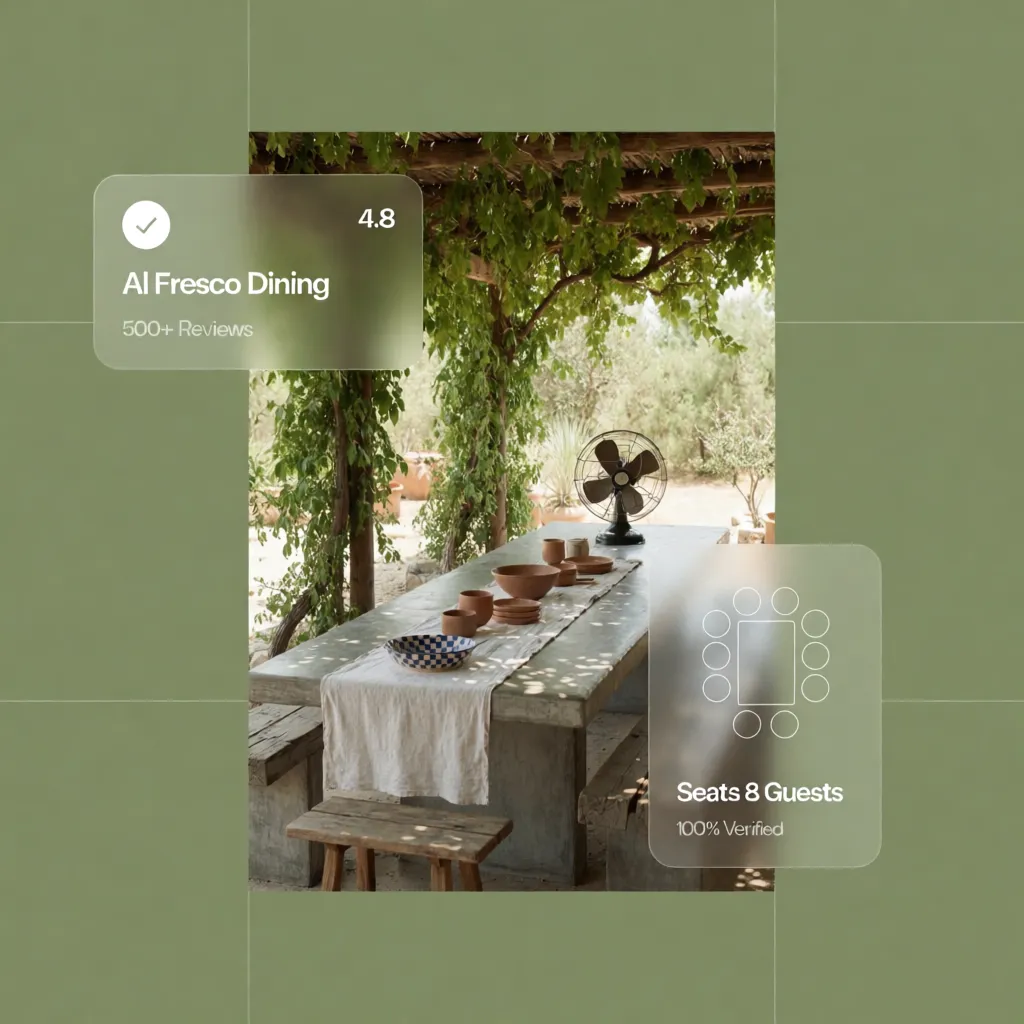
1. Backyard Dining Area Ideas for Comfortable Outdoor Meals
Before ordering patio furniture or pouring concrete slabs, pause and examine how your household intends to use your outdoor dining zone.
Most patio setups fail because homeowners treat them as temporary summer spots rather than functional outdoor extensions of their main dining room.
Blinding Sun
Long Kitchen Trips
= Abandoned Patio
Overhead Shade
Adjacent Prep Console
= Resort Alfresco Flow
To execute high-impact backyard dining area ideas and build an inviting outdoor dining area ideas suite that anchors tables to hardscape, anchor your design around three core principles:
- Protect Unbroken Circulation: Maintain a minimum 36-inch walking boundary completely around your dining table and pulled-back chairs.
- Establish Stable Footing: Anchor your table assembly over a flat, hardscape foundation like pavers, composite decking, or poured concrete.
- Decouple Dining from High-Heat Zones: Position your eating deck far enough from open grill flames to shield guests from smoke drift.
Explore our architectural layout strategies for concealed home office ideas that translate indoors and out to learn how spatial proportion principles transform living spaces inside and out.
2. Choose the Best Location for Your Backyard Dining Area
Where you place your dining table dictates whether serving dinner feels like a breeze or a tedious chore.
Selecting the ideal backyard dining area location that balances kitchen proximity and sun angles and planning your outdoor dining space placement requires balancing kitchen proximity, afternoon sun angles, and privacy sightlines.
Follow this 3-step diagnostic to pick your prime dining spot:
- Audit the Kitchen Route: Map out the exact walking path from your indoor kitchen to your proposed dining spot. Keep this path flat and free of steps or narrow doorways.
- Track Afternoon Sun Patterns: Stand in your yard at 2:00 PM and 6:00 PM to identify harsh low-angle sun exposure before committing to a permanent dining footprint.
- Shield Neighbor Sightlines: Position high privacy screens, tall hedges, or timber trellises along property lines so dinner conversations stay completely private.
3. Select an Outdoor Dining Table That Fits Your Backyard
Buying a massive 10-person rectangular table for a compact stone patio chokes your walking aisles, making the entire yard feel cramped.
Choosing an efficient outdoor dining table ideas design that matches table geometry to hardscape, a durable backyard dining table, or a sleek patio dining table relies on matching table geometry to your available hardscape footprint.
- Hard sharp corners block walking paths
- Restricts seating flexibility
- Smooth circular flow eliminates sharp edges
- Flexible drop-leaf expansion for hosting
Table selection tactics:
- Round Tables for Compact Courtyards: Choose 48-to-50-inch round dining tables for small patios. Round frames eliminate sharp corners, boosting seating capacity while improving conversation flow.
- Extendable Frames for Heavy Hosting: Invest in an aluminum or teak extendable dining table that compresses down for quiet daily family meals and expands when hosting weekend guests.
- Allow 48 Inches of Clearance: Ensure the distance from the table edge to surrounding garden walls or deck railings measures at least 48 inches to accommodate seated diners effortlessly.
4. Arrange Outdoor Dining Chairs for Comfort and Easy Movement
Nothing ruins a long outdoor dinner faster than cramped seating, unstable chair legs, or nowhere to slide back your seat.
Selecting high-performance outdoor dining chairs with quick-dry foam cushions and proper lumbar support, arranging custom backyard dining seating, and picking durable patio dining furniture protects your guests' comfort throughout long evening meals.
Seating layout rules:
- Enforce 24-Inch Diner Spacing: Allow at least 24 inches of table width per person so guests can dine without bumping elbows.
- Mix Benches with Armchairs: Pair a low-profile wood bench along the wall side of your table with comfortable armchairs at the ends to maximize seat capacity without crowding sightlines.
- Choose Quick-Dry Foam Cushions: Ensure all outdoor upholstery features reticulated quick-dry foam and solution-dyed acrylic fabric to prevent mold growth after rainstorms.
5. Create a Small Backyard Dining Area Without Crowding the Space
If you are dealing with a narrow side yard, a small townhome patio, or a tight condo deck, you might think a full outdoor dining setup is impossible.
Executing a small backyard dining area, organizing small outdoor dining ideas using fold-down bistro tables and corner banquettes, or creating compact patio dining relies on smart vertical space planning and space-saving furniture.
  [ SMALL-SPACE FIX 1: Fold-down wall-mounted teak bistro table for ultra-narrow decks ]
                                      |
  [ SMALL-SPACE FIX 2: Built-in perimeter L-shaped corner bench with interior storage ]
                                      |
  [ SMALL-SPACE FIX 3: Slim 30-inch deep console dining table with nesting stools ]
Small-space tactics:
- Build L-Shaped Corner Banquettes: Install a built-in wooden corner bench against your patio perimeter walls. Built-in benches reclaim dead corners and eliminate the need for pull-back chair space behind diners.
- Deploy Folding Bistro Sets: Use high-grade acacia wood or powder-coated steel folding bistro tables and chairs that can be tucked against a garden wall when not in use.
- Capitalize on Vertical Wall Gardens: Hang wall-mounted planters and vertical herb racks above your compact dining nook to add rich garden greenery without sacrificing an inch of floor space.
6. Add Shade to Keep Your Outdoor Dining Area Comfortable
Sitting under direct, unshaded high-noon sun turns a pleasant lunch into a sweaty, uncomfortable ordeal within fifteen minutes.
Gathering outdoor dining shade ideas combining louvered pergolas and cantilever umbrellas, building a pergola dining area, or selecting the right patio umbrella for dining keeps your dining space cool and usable all summer.
Shade installation rules:
- Invest in Cantilever Umbrellas: Choose an offset cantilever umbrella rather than a traditional center-pole model. Offset umbrella bases sit completely outside your table area, preserving legroom under the table.
- Orient Louvered Pergolas East-to-West: Position louvered pergola roofs so louvers rotate to block low-angle afternoon sun while letting cool breezes pass through.
- Use High-Density Polyethylene (HDPE) Sails: Mount UV-stabilized HDPE shade sails anchored securely to structural wall studs or heavy steel posts to resist high wind gusts.
For official technical standards on outdoor shade structures, structural wind ratings, and building codes, consult the International Code Council (ICC).
7. Choose Outdoor Flooring That Defines the Dining Space
Setting your dining table directly on soft turf or loose gravel leaves your furniture rocking unevenly and forces table legs to sink into damp soil.
Selecting durable outdoor dining area flooring using interlocking pavers and porcelain tiles, installing solid backyard patio flooring, or building a dedicated outdoor dining patio creates a clean, level foundation.
- Chairs wobble on uneven stones
- Stains grass & ruins lawn turf
- Seamless chair sliding without catching
- Defines distinct dining room zone visually
Flooring options compared:
- Interlocking Concrete Pavers: Highly durable, low-maintenance hardscaping that provides a completely flat, slip-resistant surface for heavy dining tables.
- Composite Decking Boards: Rot-proof, splinter-free decking that brings warm wood textures to your outdoor room without requiring seasonal sanding or staining.
- Smooth Porcelain Outdoor Tiles: Non-porous 20mm outdoor porcelain pavers that resist oil spills, wine stains, and grease splatters around serving zones.
8. Use Outdoor Lighting to Make Evening Meals More Enjoyable
When the sun goes down, relying on a single glaring floodlight over your back door turns your romantic patio meal into a cold, clinical interrogation setting.
Layering creative outdoor dining lighting ideas standardized on 2700K warm white LEDs, installing soft backyard dining lights, and mounting warm patio dining lighting extends your alfresco dining late into the night.
Lighting execution rules:
- Standardize on 2700K Warm White LEDs: Avoid cold 5000K blue-white bulbs. Warm 2700K illumination flatters food presentations, enhances natural wood tones, and creates a cozy atmosphere.
- Hang String Lights in Parallel Runs: Suspend commercial-grade Edison bulb string lights directly over your dining table footprint in clean, parallel runs anchored to timber posts.
- Use Cordless Rechargeable Table Lamps: Ditch dangerous extension cords by placing touch-dimmable cordless LED lamps directly on your dining table deck for intimacy.
For guidelines on low-voltage exterior lighting safety and glare reduction standards, visit the Illuminating Engineering Society (IES).
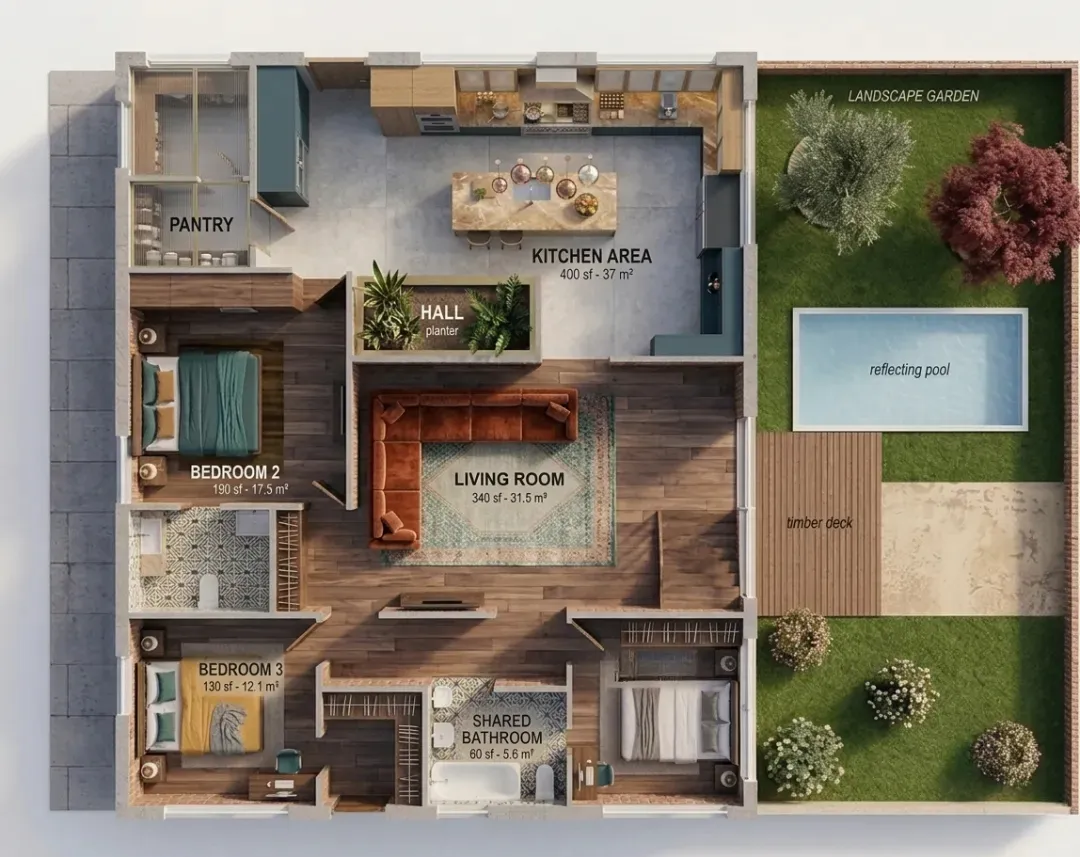
9. Bring an Outdoor Kitchen or Serving Station Closer to the Dining Table
Constantly running back and forth into your indoor kitchen for extra ice, clean forks, or serving platters ruins your meal flow and leaves your guests stranded outside.
Integrating an outdoor kitchen dining area with a 6-foot prep-to-table serving path, placing an outdoor serving station, and setting up an efficient backyard dining setup keeps hosting completely stress-free.
  [ KITCHEN WORKFLOW 1: Direct 6-foot prep-to-table serving path for hot food ]
                                      |
  [ KITCHEN WORKFLOW 2: Weatherproof credenza sideboard for plate & utensil storage ]
                                      |
  [ KITCHEN WORKFLOW 3: Under-counter beverage fridge & ice station adjacent to table ]
Serving station guidelines:
- Install a Weatherproof Outdoor Sideboard: Position a stainless steel or teak credenza right beside your dining table to store extra napkins, serving platters, and condiments within arm's reach.
- Maintain 6 Feet of Space from Grill Surfaces: Keep your main dining table at least 6 feet away from open grill grates to prevent smoke, heat, and stray flare-ups from bothering diners.
- Include a Rolling Drinks Cart: Keep a mobile insulated beverage cart stocked with ice, wine, and water right next to your dining host seat to eliminate trips indoors.
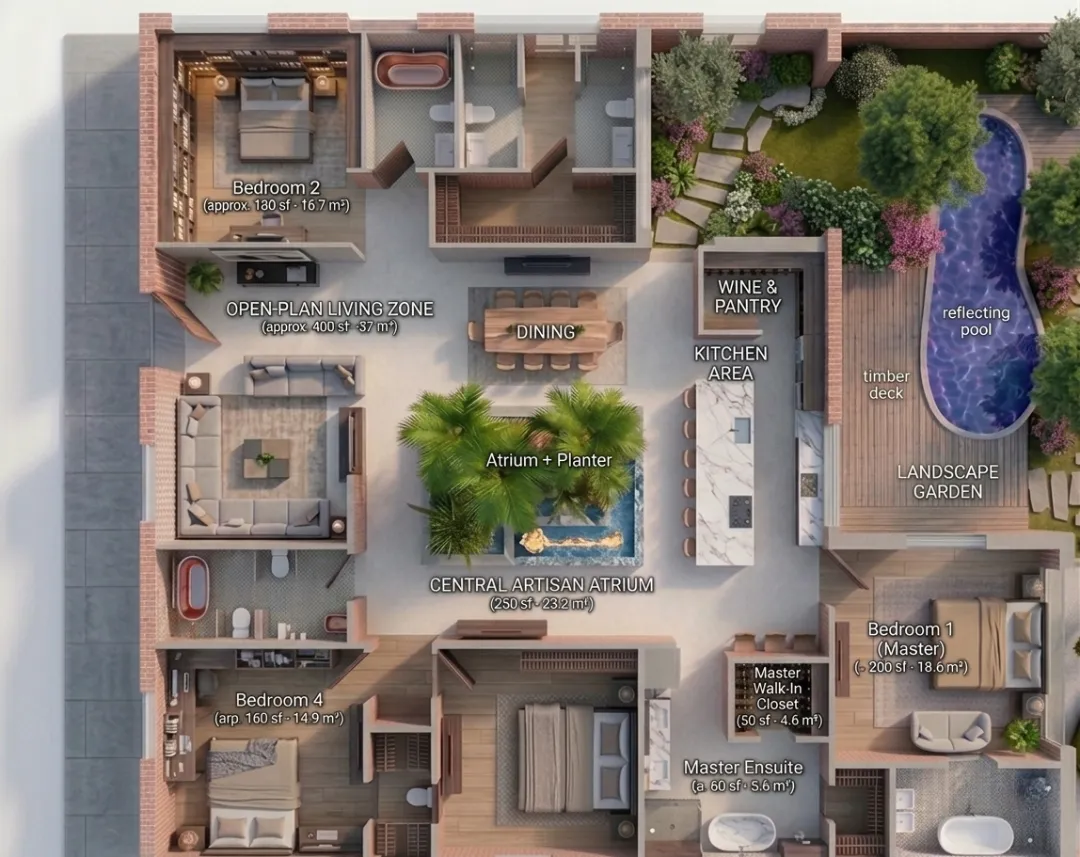
10. Protect Your Outdoor Dining Furniture From Weather and Moisture
Leaving high-end outdoor furniture exposed to harsh UV rays, torrential rain, and winter snow causes wood to split, metal frames to rust, and cushions to mildew.
Selecting weather-resistant outdoor dining furniture in Grade-A teak and powder-coated aluminum, understanding outdoor dining table materials, and using custom patio furniture covers protects your investment for years.
Protection tactics:
- Select Solution-Dyed Acrylic Fabrics: Choose cushion covers crafted from solution-dyed acrylics (such as Sunbrella) that resist sun fading and repel moisture.
- Buy Custom-Fitted Breathable Covers: Protect your dining suite with solution-dyed polyester covers featuring built-in mesh air vents to prevent condensation buildup under the fabric.
- Store Cushions in Water-Tight Boxes: Store dining seat cushions inside a sealed deck box during heavy rainstorms to ensure they remain dry when dinner time arrives.
11. Decorate Your Backyard Dining Area With Plants and Personal Details
An outdoor dining space containing only a plain metal table and chairs feels cold, unfinished, and uninviting.
Applying creative backyard dining area decor using woven rugs and living herb centerpieces, styling your outdoor dining table decor, and placing lush outdoor dining decorations transforms a basic patio into a cozy sanctuary.
- Metal table without accents
- Cold perimeter walls
- Potted herb centerpiece & linen runner
- Ambient lanterns & surrounding planters
Decor styling rules:
- Anchor with Outdoor Polypropylene Rugs: Lay down an all-weather woven outdoor area rug underneath your dining set. A rug frames the dining zone and provides soft comfort under bare feet.
- Use Living Herb Centerpieces: Replace artificial table decorations with low terracotta pots filled with fresh basil, rosemary, and mint that double as fresh culinary garnishes during dinner.
- Add Outdoor Throw Pillows: Layer weather-resistant accent pillows in rich earthy tones (like terracotta, sage, and warm ochre) against host armchairs to soften visual sightlines.
For guidance on eco-friendly outdoor finishes, non-toxic wood sealers, and sustainable outdoor furniture millwork, visit the Sustainable Furnishings Council (SFC).
12. Plan a Backyard Dining Layout That Works for Your Household
Ready to transform your unused yard into a stunning, high-performance alfresco dining sanctuary that gives you complete freedom to host, relax, and enjoy outdoor meals for years to come?
Before ordering outdoor tables, pouring paver foundations, or hanging overhead shade sails, bring all your yard dimensions, seating clearances, lighting points, and serving access paths together into a unified backyard dining layout that scales tables, shade, and serving stations together, outdoor dining space design, and backyard dining area design. To preview everything before committing, read our digital preview workflow for testing backyard dining layouts before buying furniture.
  [ Step 1: Audit Kitchen Route & Select Flat Hardscape Patio Foundation ]
                                 |
  [ Step 2: Scale Dining Table Geometry to Preserve 48" Perimeter Clearance ]
                                 |
  [ Step 3: Layer Overhead Shade (Pergola / Cantilever) & 2700K Warm Lighting ]
                                 |
  [ Step 4: Integrate Sideboard Serving Station & Weather-Resistant Covers ]
                                 |
  [ Step 5: Execute Backyard Dining Floor Plan with Total Confidence ]
The Ultimate Backyard Dining Sign-Off Checklist:
- [ ] Validate Perimeter Clearance: Confirm at least 48 inches of open space between table edges and surrounding walls or railings.
- [ ] Ensure Stable Hardscape Footing: Install tables over level concrete pavers, stone, or composite decking—never directly on soft grass.
- [ ] Incorporate Overhead Shade: Mount a louvered pergola, offset umbrella, or shade sail to block harsh midday sun.
- [ ] Standardize 2700K Warm Lighting: Install dimmable 2700K string lights and rechargeable tabletop lamps for glare-free evening dining.
- [ ] Place Adjacent Serving Counters: Position a weatherproof sideboard or prep cart nearby to streamline food serving.
- [ ] Protect Furniture with Covers: Secure fitted, breathable outdoor covers to protect table frames and cushions from weather exposure.
Step Into Your Dream Alfresco Sanctuary Today
You deserve a backyard that inspires you to slow down, gather with loved ones, and savor outdoor meals with complete comfort and zero stress. Designing a high-performance alfresco dining sanctuary doesn't require complex guesswork or sacrificing your yard's natural beauty.
By focusing on flat hardscape foundations, proportional table scales, louvered overhead shade, and warm 2700K nighttime lighting, you can eliminate outdoor hassles and build a breathtaking dining retreat tailored to your exact lifestyle.
What specific spatial challenges are currently holding you back in your yard? How can DesignHome help you visualize, craft, and refine the ultimate backyard dining layout for your home today?
Frequently Asked Questions About Backyard Dining Area Ideas
We want to enjoy meals outside, but eating on the back patio always feels like a frustrating hassle. How do we fix this?
Here is the blunt truth: setting a plastic table on a random patch of grass doesn't create an alfresco sanctuary—it creates an uncomfortable hassle that drives everyone back indoors.
When an outdoor space lacks proper spatial planning, chairs wobble on soft turf, high-noon sun blinds your guests, and endless trips to the indoor kitchen ruin your hosting momentum. Establishing a solid hardscape paver foundation paired with an intentional outdoor dining space placement creates a smooth, resort-quality layout. Taking control of your spatial floor plan allows you to execute high-impact backyard dining area ideas that turn underused yards into vibrant outdoor rooms, turning an underused yard into a vibrant outdoor room where your family will love sharing meals every single week.
Where is the absolute best spot to place an outdoor dining table so serving dinner feels effortless?
Finding the prime spot comes down to balancing kitchen access, afternoon sun angles, and privacy sightlines.
Follow this 3-step diagnostic to lock in your backyard dining area location:
- Audit the Kitchen Route: Position your dining setup within a direct, flat walking path to your indoor kitchen to make carrying platters fast and safe.
- Track Afternoon Sun Patterns: Check where heavy shadow lines fall at 2:00 PM and 6:00 PM to avoid placing tables in direct, unshaded sun traps.
- Shield Neighbor Sightlines: Anchor your dining deck against tall garden hedges or trellises so dinner conversations stay completely private.
Will buying a large 8-seater dining table make a small patio feel cramped and hard to navigate?
Not if you maintain continuous walking boundaries around your furniture. Spatial bottlenecks happen when oversized table corners choke sliding door paths and block natural foot traffic.
Choosing a round frame or an extendable patio dining table actually optimizes tight hardscape footprints. Maintaining a strict 48-inch perimeter clearance from table edges to surrounding walls ensures your outdoor dining area ideas feel expansive with 48-inch perimeter clearance feel expansive, comfortable, and easy to navigate.
How do I make sure everyone sits comfortably without crowding the walkway with chair legs?
Standalone dining armchairs require significant pull-back space, which quickly swallows open patio floorboards.
Mixing seating styles protects your walking aisles:
- Pair a low-profile backless bench along wall borders to tuck 100% flat under the table deck when not in use.
- Reserve comfortable host armchairs strictly for the ends of the table frame.
- Ensure your patio dining furniture setup allows 24 inches of table width per diner allows at least 24 inches of table width per diner so guests don't bump elbows while eating.
Can a small yard actually fit a full outdoor dining setup without feeling completely chaotic?
Absolutely—you don't need a sprawling lawn to host incredible meals; you just need smart vertical furniture architecture.
Executing a small backyard dining area relies on space-saving tricks:
- Install an L-shaped corner banquette bench against perimeter walls to eliminate pull-back chair space.
- Deploy a folding acacia wood bistro set for narrow decks that can be tucked away when not in use.
- Explore creative small outdoor dining ideas using vertical wall planters for compact footprints that use vertical wall planters to bring in lush greenery without using an inch of valuable floor space.
How do I keep our outdoor dining area cool when the afternoon sun gets too hot?
Sitting under direct, unshaded midday sun turns a pleasant weekend lunch into a sweaty, uncomfortable ordeal within fifteen minutes.
Installing high-performance outdoor dining shade ideas with cantilever umbrellas and HDPE shade sails keeps your space cool and usable all summer:
- Position a cantilever offset umbrella to keep heavy umbrella bases completely outside your central legroom.
- Build a louvered aluminum pergola dining area that adjusts louvers to block low afternoon glare while catching cool breezes.
- Float High-Density Polyethylene (HDPE) shade sails overhead to create a lightweight, airy canopy over your compact patio dining setup.
What is the best flooring to use so my outdoor dining table doesn't rock or sink?
Placing dining tables over loose gravel or soft lawn turf leaves furniture wobbling unevenly and causes table legs to sink into damp soil.
Select rock-solid outdoor dining area flooring:
- Interlocking Concrete Pavers: Highly durable, low-maintenance hardscaping that provides a flat, slip-resistant surface.
- Composite Decking Boards: Rot-proof, splinter-free boards that bring rich wood textures without seasonal sanding.
- Porcelain Outdoor Tiles: Non-porous 20mm porcelain pavers that resist wine, oil, and food splatters around your outdoor dining patio with non-porous porcelain pavers.
How do I light up our dining table for late evening meals without blinding my guests?
Relying on a single glaring floodlight over your back door turns a romantic outdoor dinner into a cold, clinical interrogation setting.
Layer your outdoor dining lighting ideas for perfect nighttime atmosphere:
- Standardize on 2700K Warm LEDs: Avoid harsh blue lighting; warm 2700K illumination flatters food presentations and enhances natural wood tones.
- Hang Overhead String Lights: Suspend commercial Edison bulb backyard dining lights overhead in clean parallel runs.
- Use Cordless Table Lamps: Place touch-dimmable rechargeable lamps directly on your dining deck to provide soft, intimate patio dining lighting.
How can I stop running back and forth to the indoor kitchen every time someone needs a napkin or drink?
Constantly running indoors for extra ice, serving utensils, or clean plates ruins your host flow and leaves your guests stranded outside.
Streamline your hosting workflow with smart layout additions:
- Position a weatherproof teak or stainless steel outdoor serving station directly beside your dining table for napkins and plates to keep extra plates within arm's reach.
- Integrate an outdoor kitchen dining area layout that keeps hot grill grates at least 6 feet away from seated guests to block smoke drift.
- Keep a mobile insulated drinks cart stocked with ice and beverages right next to the host seat.
How do I choose outdoor dining furniture that won't rust, split, or rot after a single winter?
Selecting low-quality materials or untreated woods leads to cracked frames, rusted joints, and moldy cushions after a single rainy season.
Invest in high-performance weather-resistant outdoor dining furniture:
- Grade-A Teak Wood: Natural oils resist rot, moisture, and insect damage for decades.
- Powder-Coated Aluminum: 100% rust-proof, lightweight, and effortlessly easy to clean.
- Solution-Dyed Acrylic Fabrics: Choose cushion covers (such as Sunbrella) paired with reticulated quick-dry foam to repel water and prevent mold growth on your outdoor dining table materials with Sunbrella cushion covers.
How do I decorate an outdoor dining table so it looks like a resort retreat instead of a basic picnic table?
An outdoor dining space containing only a plain metal table and chairs feels cold, unfinished, and uninviting.
Elevate your space using targeted backyard dining area decor:
- Anchor with Polypropylene Rugs: Lay down an all-weather outdoor area rug to frame the dining zone visually and feel great under bare feet.
- Use Living Herb Centerpieces: Replace artificial table accents with low terracotta pots filled with fresh basil, rosemary, and mint.
- Layer Weatherproof Textiles: Add outdoor throw pillows in rich organic tones to soften host armchairs and elevate your outdoor dining table decor with weatherproof throw pillows.
How can I test my backyard dining layout, shade coverage, and table clearances before buying heavy furniture?
Stop guessing table dimensions, wrestling with tight chair clearances, and worrying if your dining set will block your patio doors. You can test your exact floor plan, walking aisles, and visual sightlines in interactive 3D before spending a single dollar.
Using DesignHome Synthesis AI, you can instantly stream your room dimensions or yard layout into a dynamic canvas, test custom dining table arrangements, experiment with louvered pergolas, check kitchen serving paths, and perfect your complete backyard dining space design you can walk through in 3D before buying to craft a breathtaking sanctuary you will love living in for years to come.


